
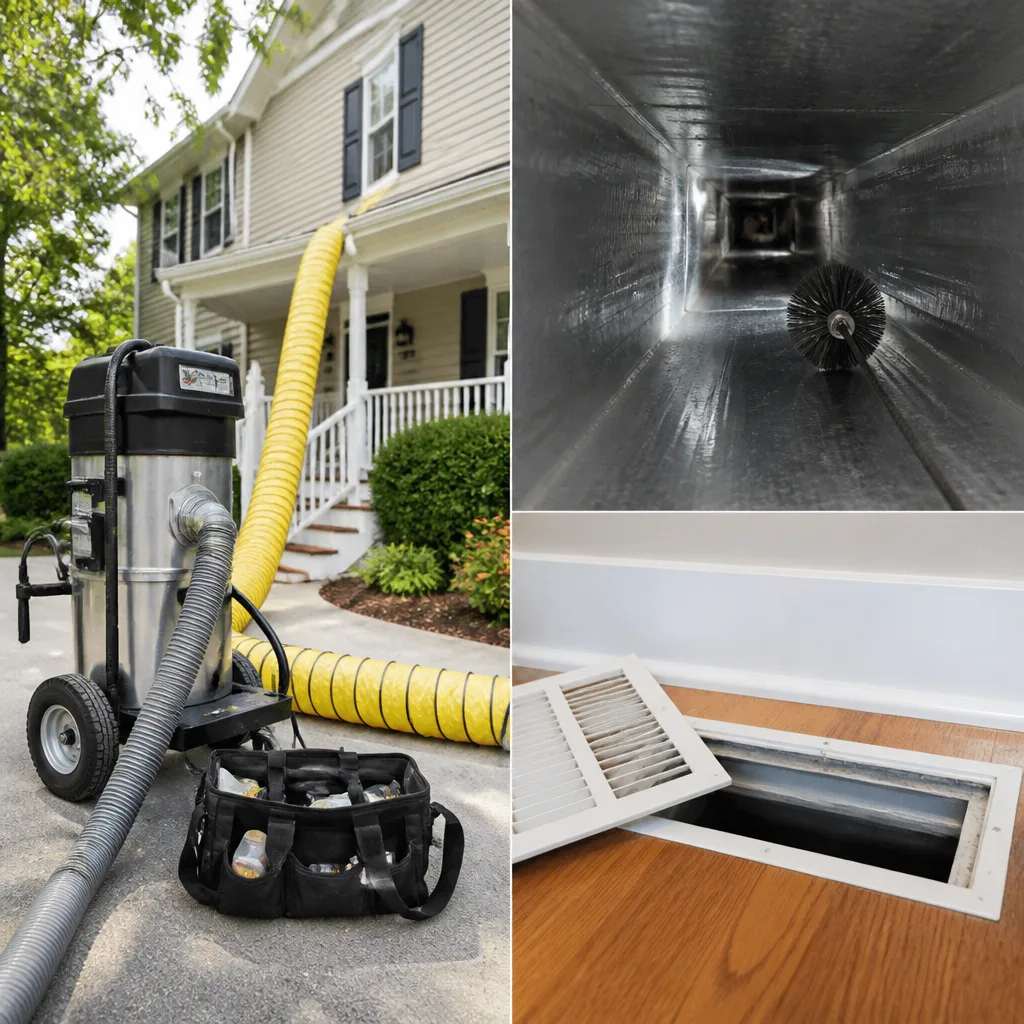
 Whole-home duct cleaning
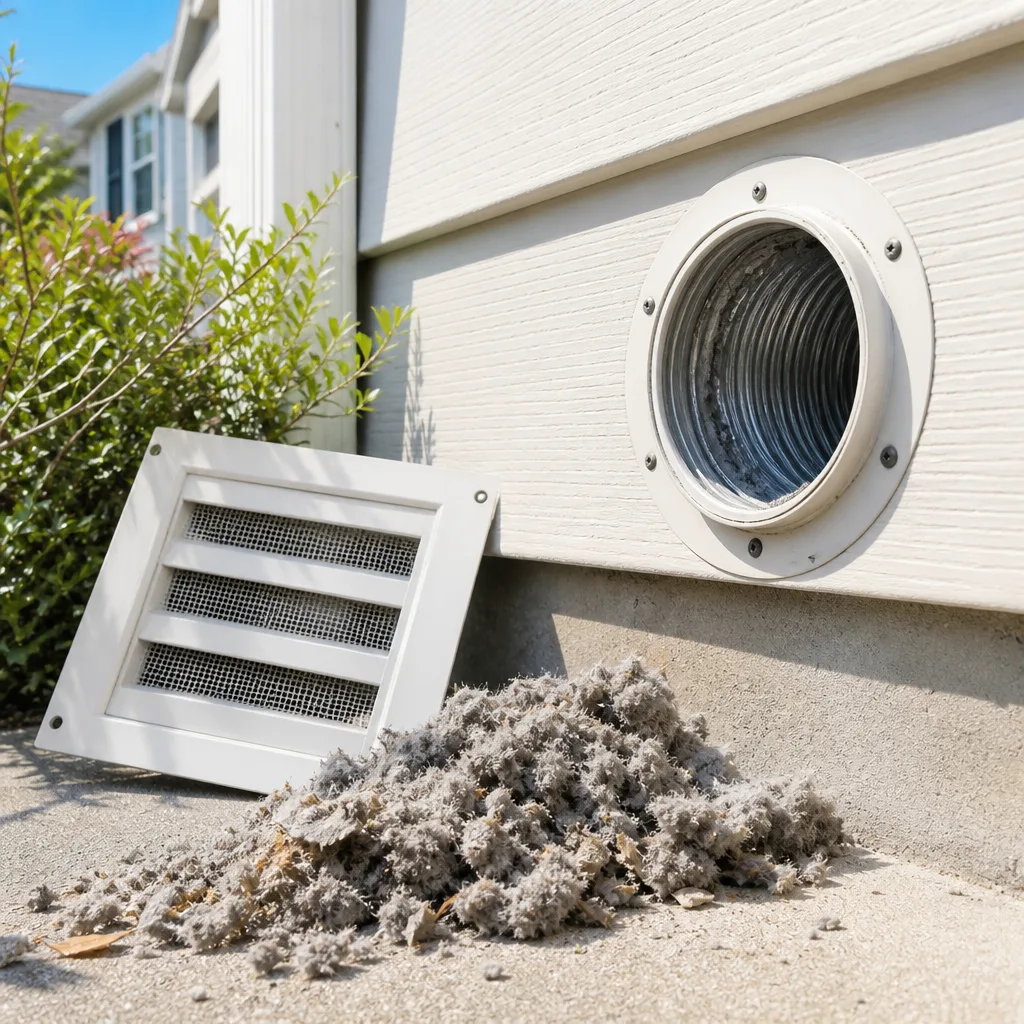 Dryer vent cleaning
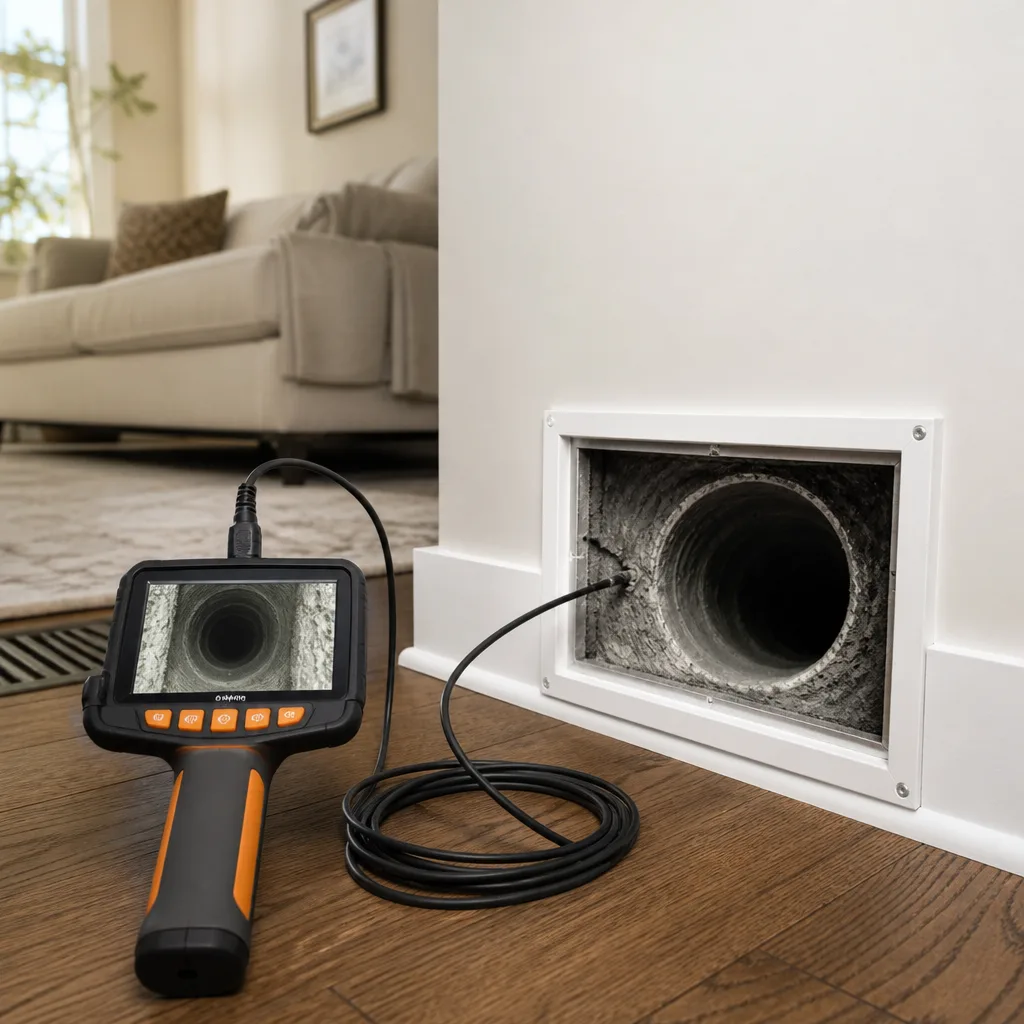 Camera inspection
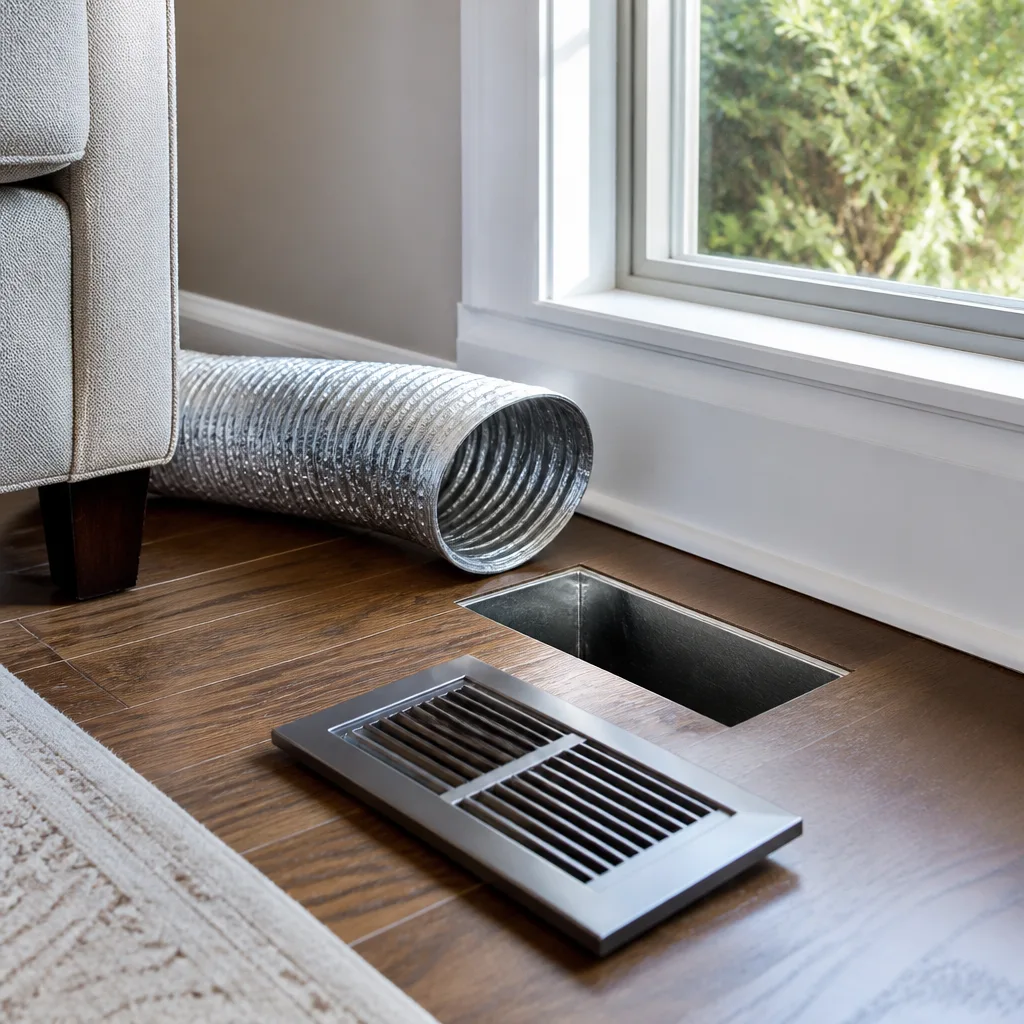 Sanitizing & deodorizing
Whole-system duct and dryer vent check with before-and-after photos - you see exactly what came out of your vents
That "$99 whole-house special" is a bait ad - the real number appears once they are in your hallway, or the "clean" is a shop-vac at the register. We photograph the inside of your ducts before and after instead.
Rotobrush Register & Grille Cleaning: The Atlanta Owner’s Guide
Rotobrush register and grille cleaning in Atlanta typically runs between $145 and $320 installed, depending on how many registers we’re cleaning and whether replacement parts are needed. Most jobs are completed in under two hours once we’re on site. The part that fails most often isn’t actually the register itself – it’s the Rotobrush cleaning head attachment that fits into the register opening, and the quick-connect collar that holds it on the end of the brush line.
Owners usually discover the problem mid-job: the brush head won’t seal against the register face, suction drops because the collar has hairline cracks, or the cleaning head pops off repeatedly while working a grille. You’ll see dust escaping around the edges instead of being pulled into the vacuum line. That’s the moment to stop, because running a damaged head against a register just pushes debris deeper into the duct run.
Which Rotobrush Models This Applies To
We service the register and grille cleaning components across the main Rotobrush lineup: the aiR+ series, the R5000 and R2000 units, and the older market-proven models still running in Atlanta homes. The compatibility gotcha most owners hit is the collar size. The quick-connect collar on the register cleaning head comes in two diameters – one sized for the standard 2-inch vacuum hose, one for the larger 3-inch hose used on the aiR+ series. If you order the wrong collar online, the head won’t seat and you’ll lose suction at the register face.
Here’s how we tell them apart on the truck. The register and grille cleaning head itself is a rectangular high-impact plastic plate with a soft-gasket edge and a centered port where the hose collar threads in. The collar is the metal or composite ring with the spring-loaded tabs. OEM Rotobrush collars have the part number stamped into the ring, and we match that number before we touch anything. Quality aftermarket collars from the same suppliers we use hold up fine for standard residential use, but we’re careful about the gasket composition – the cheaper aftermarket gaskets degrade fast in Atlanta’s heat and humidity and lose their seal within a season.
Kestrel Air Duct Atlanta is an independent service provider. We’re not affiliated with Rotobrush, which is exactly why we can tell you honestly when an aftermarket part does the job and when only the OEM collar makes sense.
Quick note if you’re running a Rotobrush along with us: we also stock register and grille cleaning parts compatible with Lennox, Trane, and Carrier systems, since plenty of Atlanta homes have mixed-brand setups.
Styles & brands we work with
Signs Your Rotobrush Register & Grille Cleaning Is Failing
- Dust blowing back around the register face during cleaning. The gasket edge on the cleaning head has gone stiff or cracked, so the seal isn’t tight. Instead of negative pressure pulling debris into the hose, you’re pushing dust out into the room.
- The cleaning head pops off the hose while working. The spring tabs on the quick-connect collar are worn. They stop locking into place after hundreds of connect/disconnect cycles, and a head that releases mid-stroke can scratch a decorative grille.
- Reduced suction at the register compared to other openings. This is almost always a cracked collar, not a vacuum problem. Air is being pulled in at the crack instead of through the register opening where the brush is working.
- Visible gouges or melted edges on the gasket. In Atlanta summers, garage-stored cleaning heads get hot. The gasket material softens and deforms. A deformed gasket won’t seat against the register face and you’ll hear a high whistle from the air leak.
- Brush bristles bent flat on one side of the cleaning head. That’s a sign the head was run at an angle against a floor register too many times. It still spins, but it’s no longer agitating the full register surface, so the cleaning is patchy.
See the difference
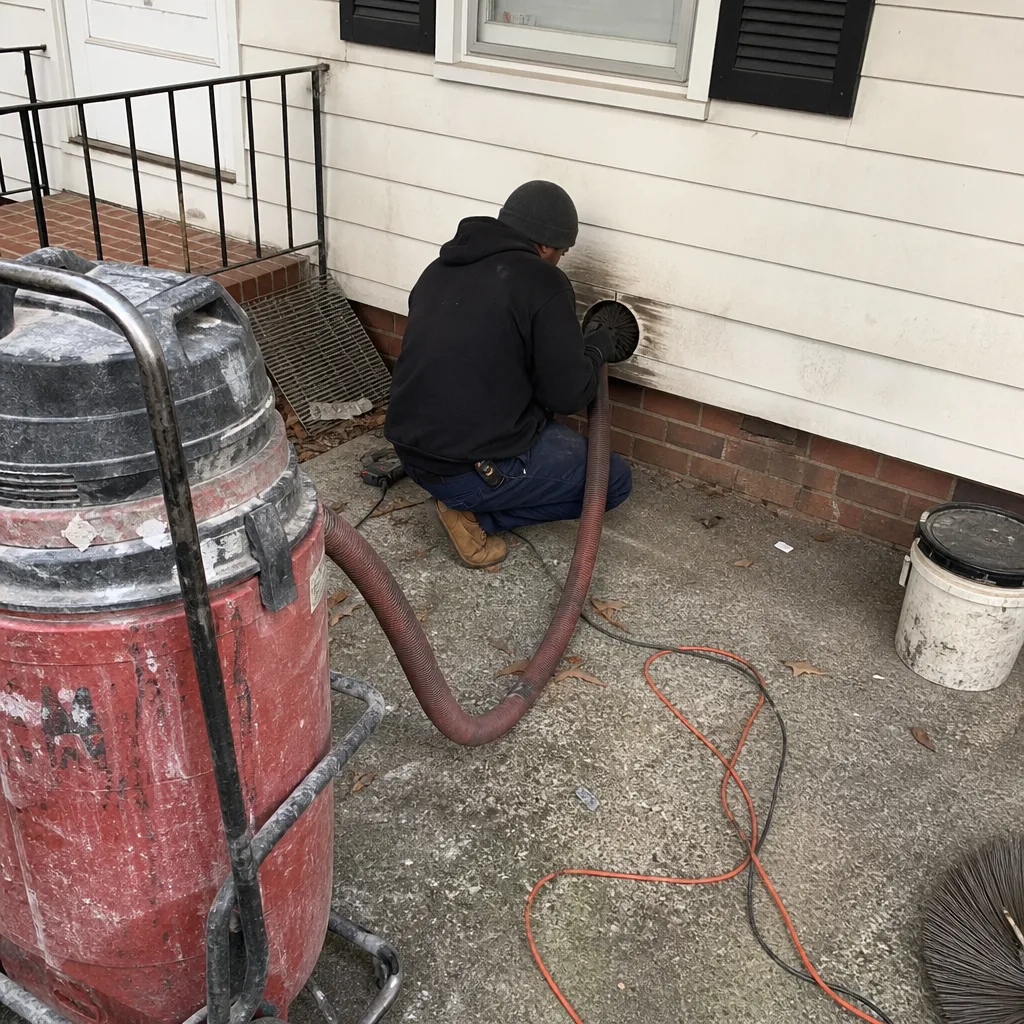 Before
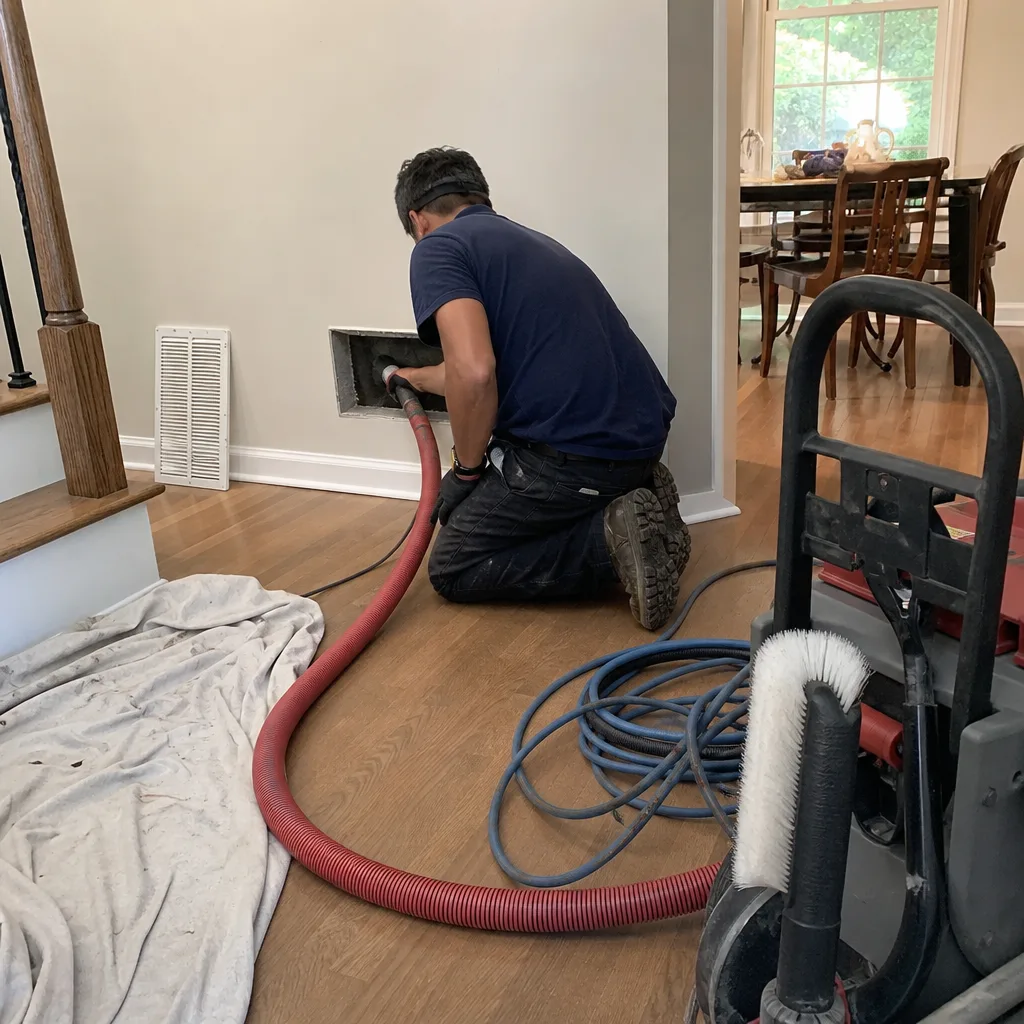 After
After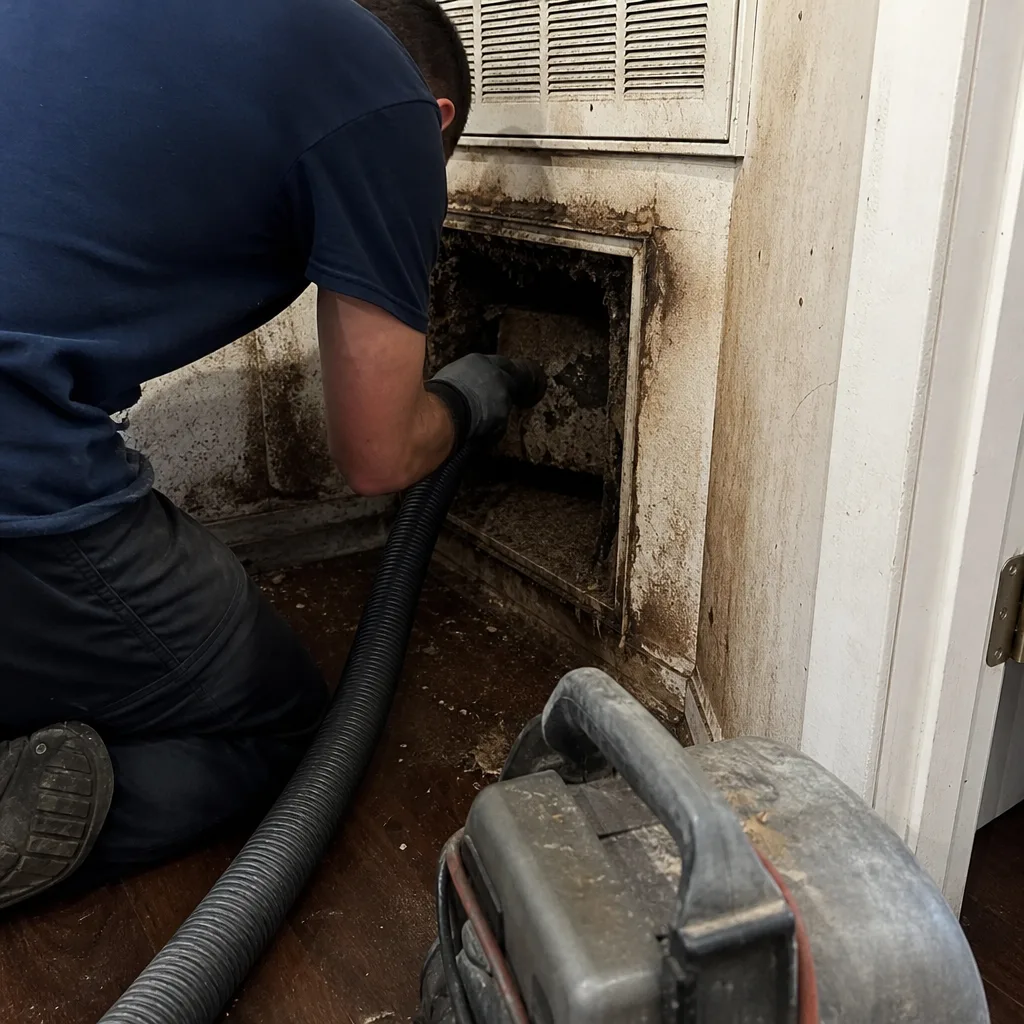 Before
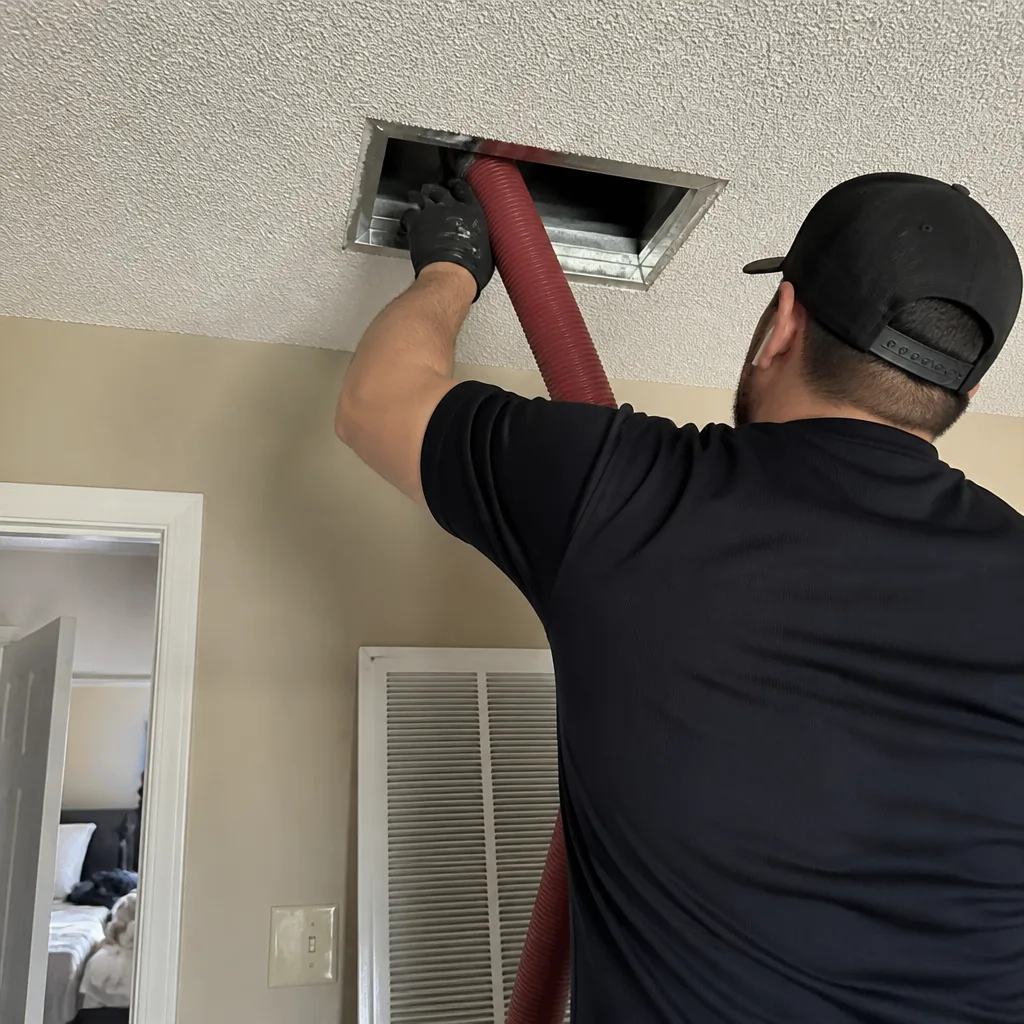 After
After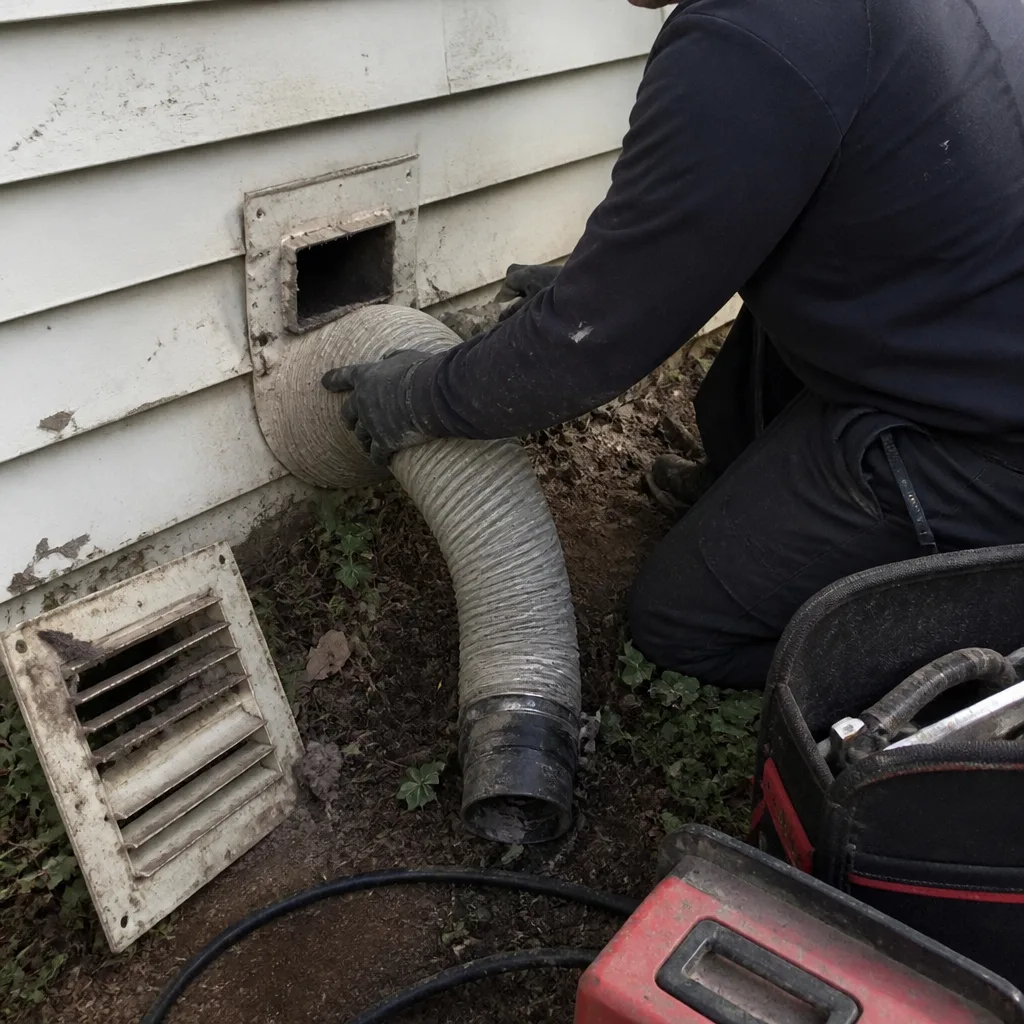 Before
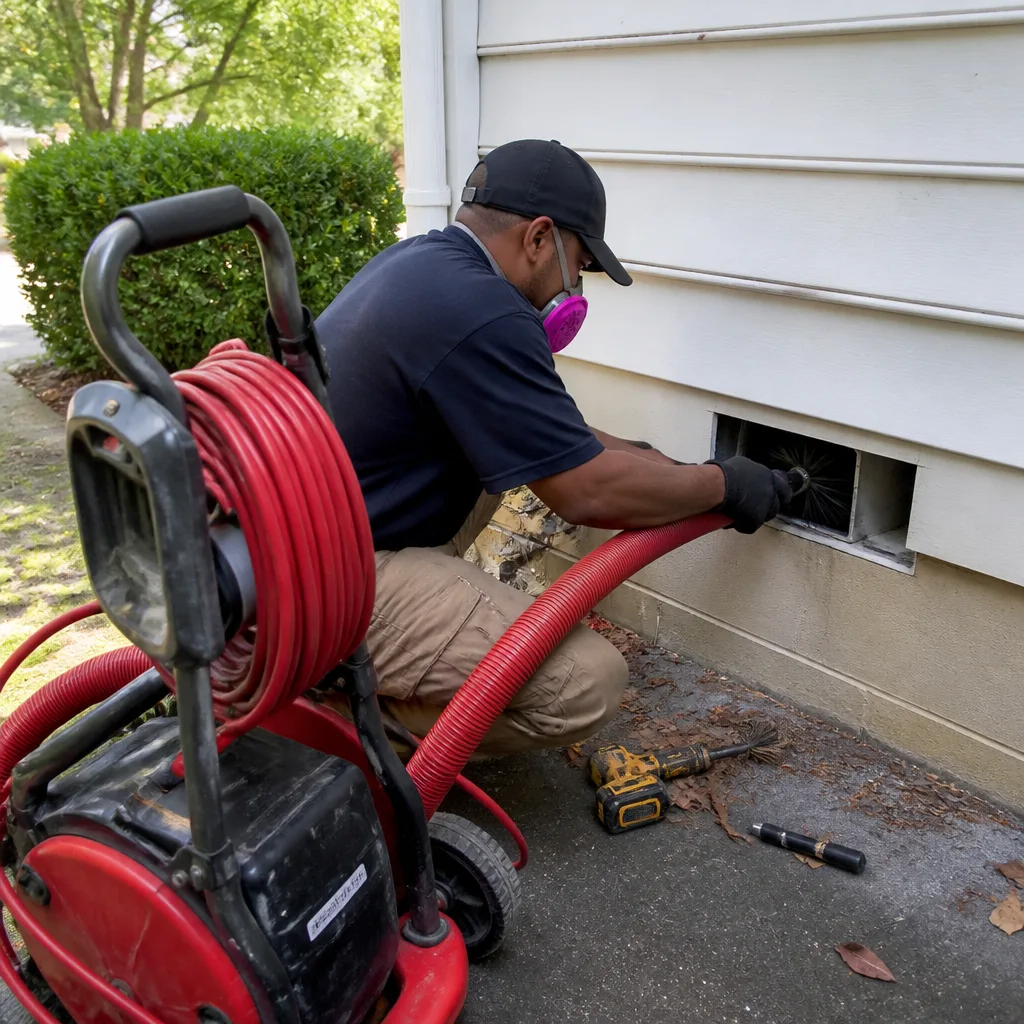 After
AfterReplacement Cost & What’s Included
For an Atlanta homeowner with a Rotobrush unit, here’s what we quote. A full register and grille cleaning across a typical 2,000 to 2,800 square foot home with 14 to 18 registers runs $145 to $220 when the existing Rotobrush head is in working condition. If we’re replacing the cleaning head, gasket, or quick-connect collar, parts add roughly $35 to $95 depending on whether it’s a gasket-only swap or a full head-and-collar replacement. So most combined service-and-repair visits fall in that $180 to $320 range.
The parts and labor are one written price before we start, because that’s the Kingswell Guarantee and it’s been the standing rule since 2004. You see the number in writing before a single register is pulled. Labor covers the full cleaning pass on every register and grille in the house, plus the part installation and a test pull to confirm suction at each opening. The work is backed by our 365-Day Done Right Promise: if the cleaning or the part fails within the year, we return and make it right at no charge. That’s in writing on every job.
DIY or Call Us?
Here’s an honest read from Dale Whitmore, our owner, who’s been doing duct work across the Southeast for the better part of two decades. There are a few things you can safely check yourself: look at the gasket edge for cracking, inspect the collar tabs for obvious wear, and run the unit briefly at one register to feel for air leaking around the head. That’s diagnosis.
Where DIY goes wrong is when the fix becomes guesswork. The Rotobrush quick-connect collar has spring-loaded tabs under tension, and if a collar fails while the unit is running, the cleaning head can release abruptly. Combined with a running brush line, that’s an injury risk and a good way to chew up a hardwood floor. We stock OEM and quality aftermarket collars, gaskets, and cleaning heads on the truck, so more often than not we can diagnose, replace, and complete the full cleaning in one visit. If you’ve spotted the symptoms and just want it done right, call Kestrel Air Duct Atlanta at (470) 378-1006.
FAQs
The gasket on a Rotobrush register cleaning head typically lasts 18 to 30 months in Atlanta before heat and humidity degrade the seal enough to affect performance; the collar and head body routinely outlast the gasket by years. If you’re cleaning your own ducts twice a year, plan on replacing the gasket roughly every fourth or fifth full-house pass. Call (470) 378-1006 and we can inspect the head the same visit.
It depends on what failed. A cracked gasket is a repair, and a worn collar is a repair. A head with bent bristles or a cracked body is a replacement. If you’re not sure which one you’re looking at, we’ll tell you straight – clean ducts, plain talk, everything in writing.
On a scheduled visit, replacing the head, gasket, or collar takes 15 to 30 minutes once we’re at the job, and it’s usually done alongside a full register and grille cleaning in the same visit. We don’t charge a separate trip fee for the part replacement when it’s part of a cleaning job. Call (470) 378-1006 for a free estimate.
Yes. We keep OEM Rotobrush quick-connect collars, register gasket sets, and full replacement cleaning heads on the truck – plus compatible parts for Lennox, Trane, and Carrier registers since those show up everywhere in Atlanta homes. If we don’t have the exact part, we’ll get it and return, with the Kingswell Guarantee on the whole job in writing.
Written by Dale Whitmore, Owner, Kestrel Air Duct Atlanta at Kestrel Air Duct Atlanta, serving Atlanta and nearby areas.