
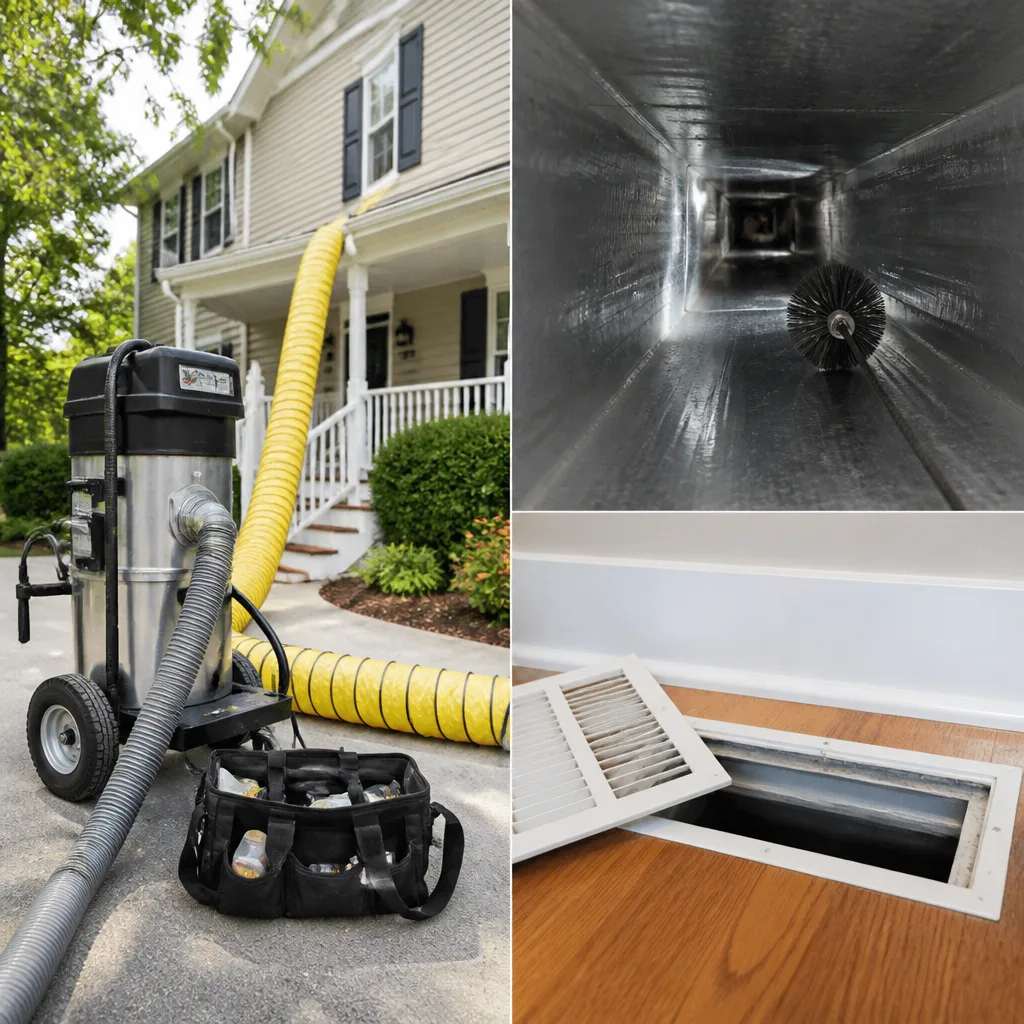
 Whole-home duct cleaning
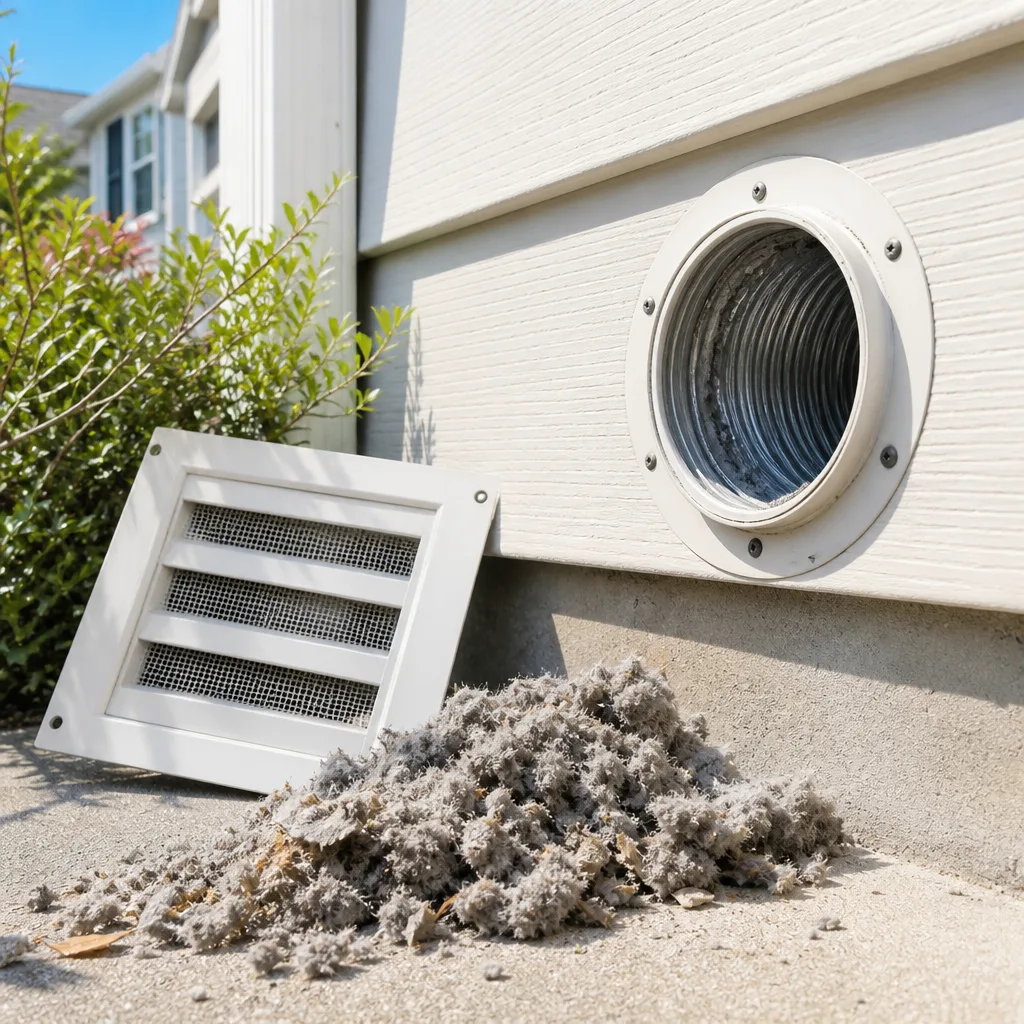 Dryer vent cleaning
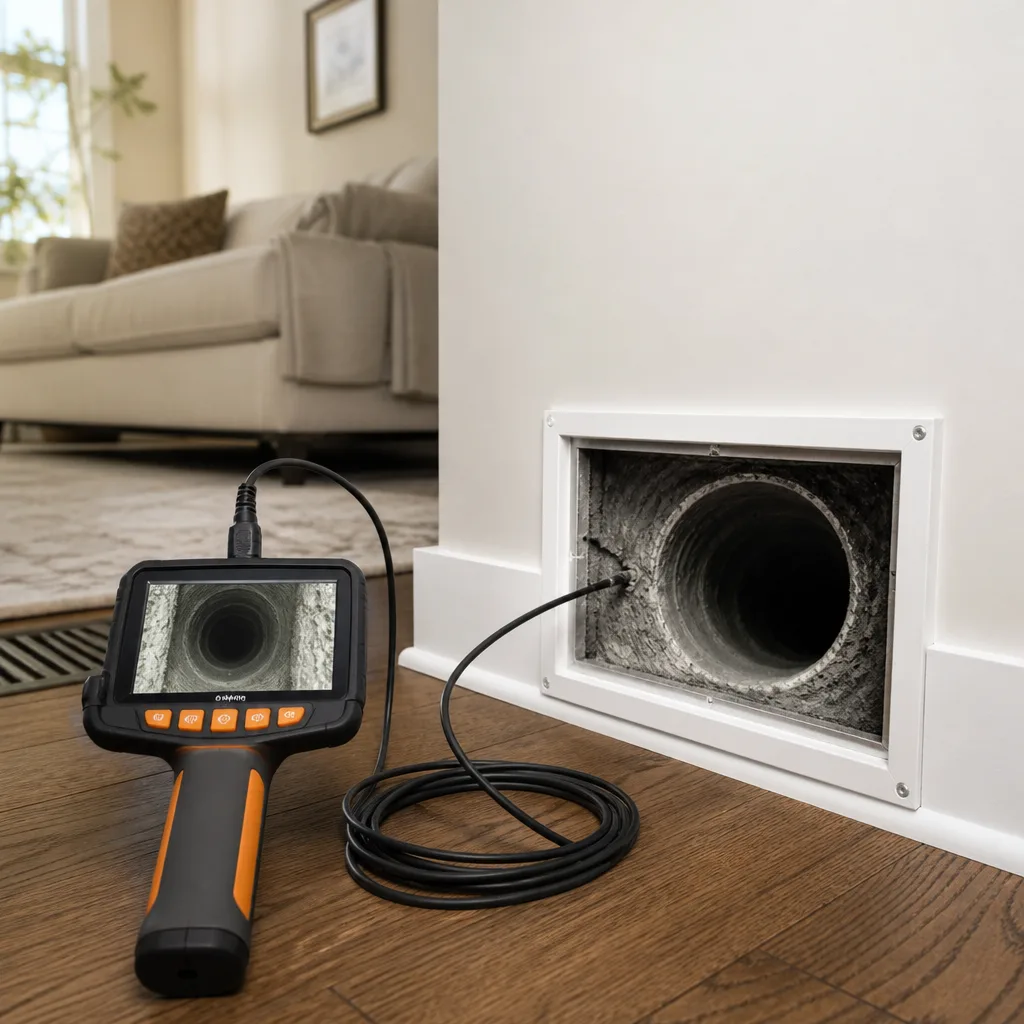 Camera inspection
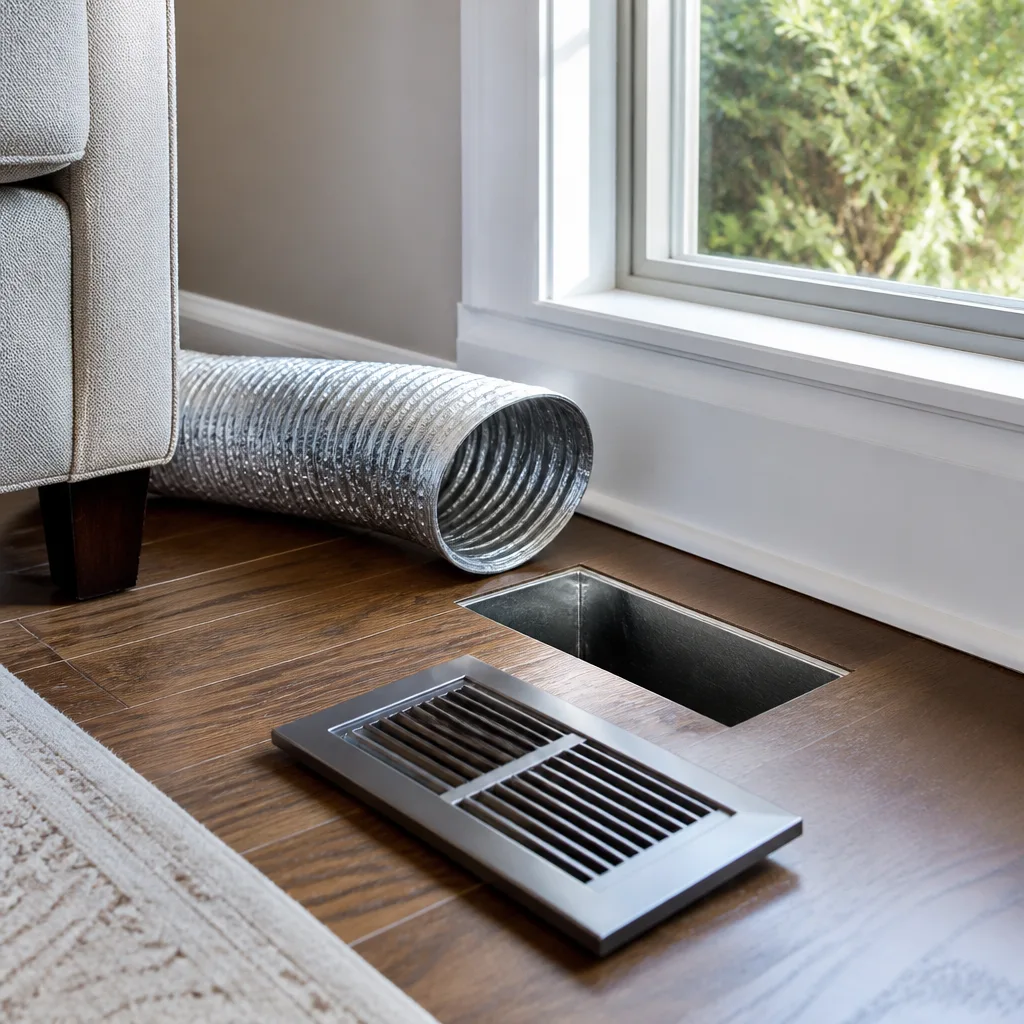 Sanitizing & deodorizing
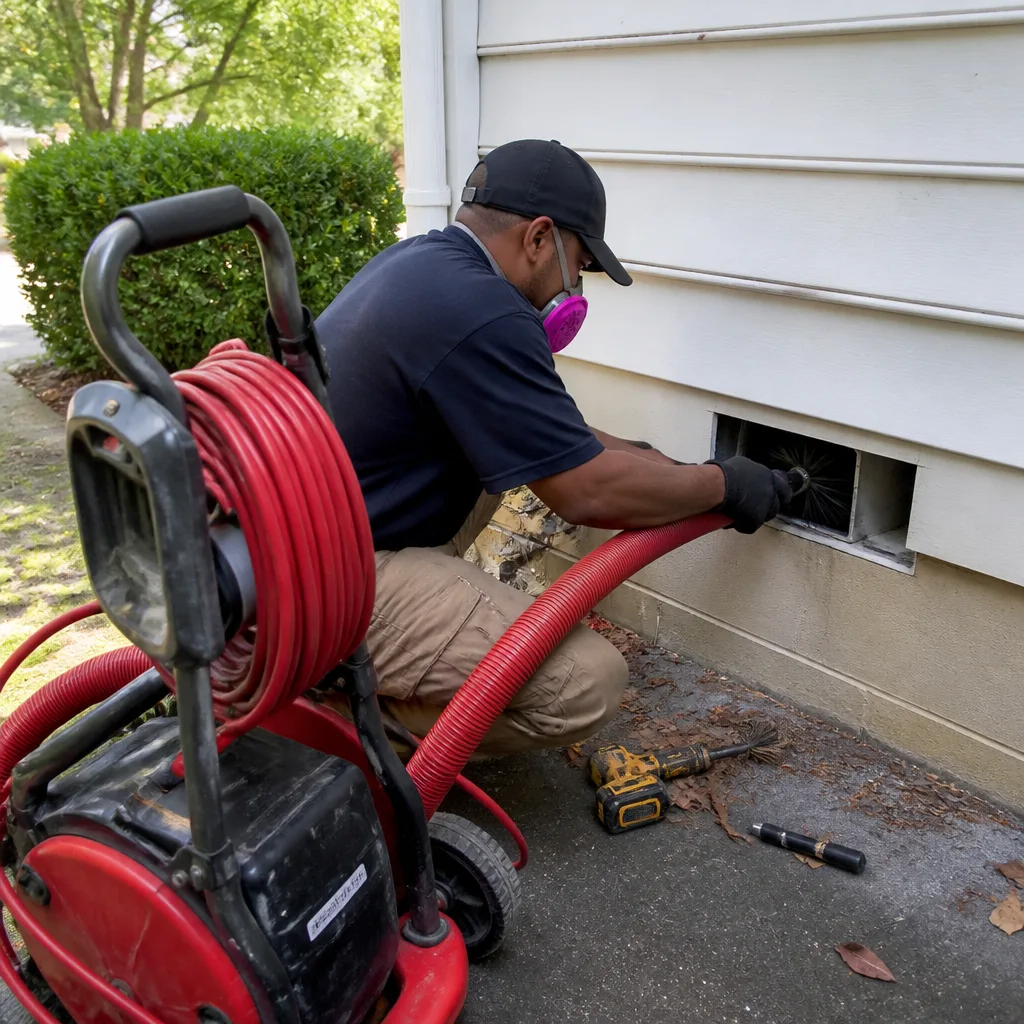
Whole-system duct and dryer vent check with before-and-after photos - you see exactly what came out of your vents
That "$99 whole-house special" is a bait ad - the real number appears once they are in your hallway, or the "clean" is a shop-vac at the register. We photograph the inside of your ducts before and after instead.
Honeywell Register & Grille Cleaning: The Atlanta Owner’s Guide
We stock and install Honeywell-compatible registers and grilles throughout Atlanta, with most cleaning and replacement jobs running between $180 and $450 depending on how many openings your home has and what condition they’re in. A typical single-floor Atlanta home with 8 to 12 registers usually falls right in the middle of that range. Most owners call us after noticing one register that won’t sit flush anymore, a grille with paint flaking into the duct, or dust streaks on the ceiling around a vent that keep coming back no matter how often they wipe.
Here’s the thing about Honeywell registers and grilles: they’re built well, but they live a harder life in Atlanta than most people realize. Our humidity works on the metal and the damper mechanism year-round, and the constant cycling between air conditioning and heat means the louvers get adjusted, bent, and sometimes broken. By the time a homeowner calls us, the part has usually failed in a way that’s specific and fixable – but only if the replacement actually matches the opening, not just the brand name on the face.
Which Honeywell Models This Applies To
Honeywell doesn’t make one universal register. The brand covers several lines, and the compatibility details matter more than the logo. We work with the Honeywell Home series (the most common in Atlanta residential installs), the TrueZONE-compatible supply registers with integrated dampers, and the older Honeywell Enviracaire grilles that show up in 1990s and early 2000s homes around Decatur and Smyrna. Each line has different mounting depth, face dimensions, and damper travel – and a register that’s a quarter-inch too deep will bind against the duct boot before you ever get the screws in.
How to identify what you have: pull the register off (two screws, usually) and look at the back face. Honeywell stamps the model number on the frame or the damper blade, not on the front face, so you’ll never see it while it’s installed. Measure the opening, not the face plate – the rough opening in the drywall or floor is the number that matters. If you have a TrueZONE system with a motorized damper register, that’s a different part entirely and it needs a compatible replacement, not just any Honeywell face plate. We keep OEM Honeywell registers in the common Atlanta sizes on the truck, and we’re honest when a quality aftermarket equivalent will do the same job for less. For painted grilles that match a specific ceiling color, aftermarket is usually the better call because you’re going to repaint it anyway.
One compatibility gotcha we see regularly in Atlanta: homes built in the early 2000s often have what were sold as “Honeywell floor registers” that were actually private-labeled by a regional distributor. They’re close to the standard Honeywell dimensions, but off by an eighth of an inch. We find these mostly in ranch houses in the northern suburbs. If you force a true Honeywell register into one of those openings, the face plate sits proud of the floor and becomes a trip hazard. We carry both the true Honeywell spec and the private-label variant because we’ve learned to check first.
Styles & brands we work with
Signs Your Honeywell Register & Grille Cleaning Is Failing
Here’s what we find on service calls across Atlanta – and for each symptom, what’s actually going on beneath the face plate:
- Dust streaks radiating from the vent on the ceiling or wall. This means the grille’s airflow pattern has changed, usually because the louvers are bent or partially blocked, and the air is now hitting surfaces it was never aimed at. Cleaning helps temporarily; the real fix is straightening or replacing the grille.
- The damper wheel spins but nothing moves inside. On Honeywell registers the damper linkage is a small plastic gear that strips over time, especially with the frequent adjustments Atlanta homeowners make between seasons. Once that gear strips, the register becomes a fixed opening – you lose room-level temperature control.
- Paint flaking off the register into the duct. That’s a finish failure, common on Honeywell grilles in humid crawlspaces and bathrooms. The flakes don’t just look bad – they fall into the duct and get blown through the house every time the system cycles.
- The register won’t sit flush against the floor or wall anymore. This is almost always a warped frame or a bent mounting tab, not a loose screw. Honeywell’s stamped steel frames can warp under repeated heat-cool cycles, particularly in Atlanta attics where summer temperatures hit 140°F.
- Whistling or fluttering noise when the system runs. A register that rattles at certain airflow volumes usually has a damper blade that’s come loose from its pivot. The blade vibrates in the airstream. It’s not just annoying – that vibration works the metal and eventually the blade snaps off entirely and drops into the duct.
See the difference
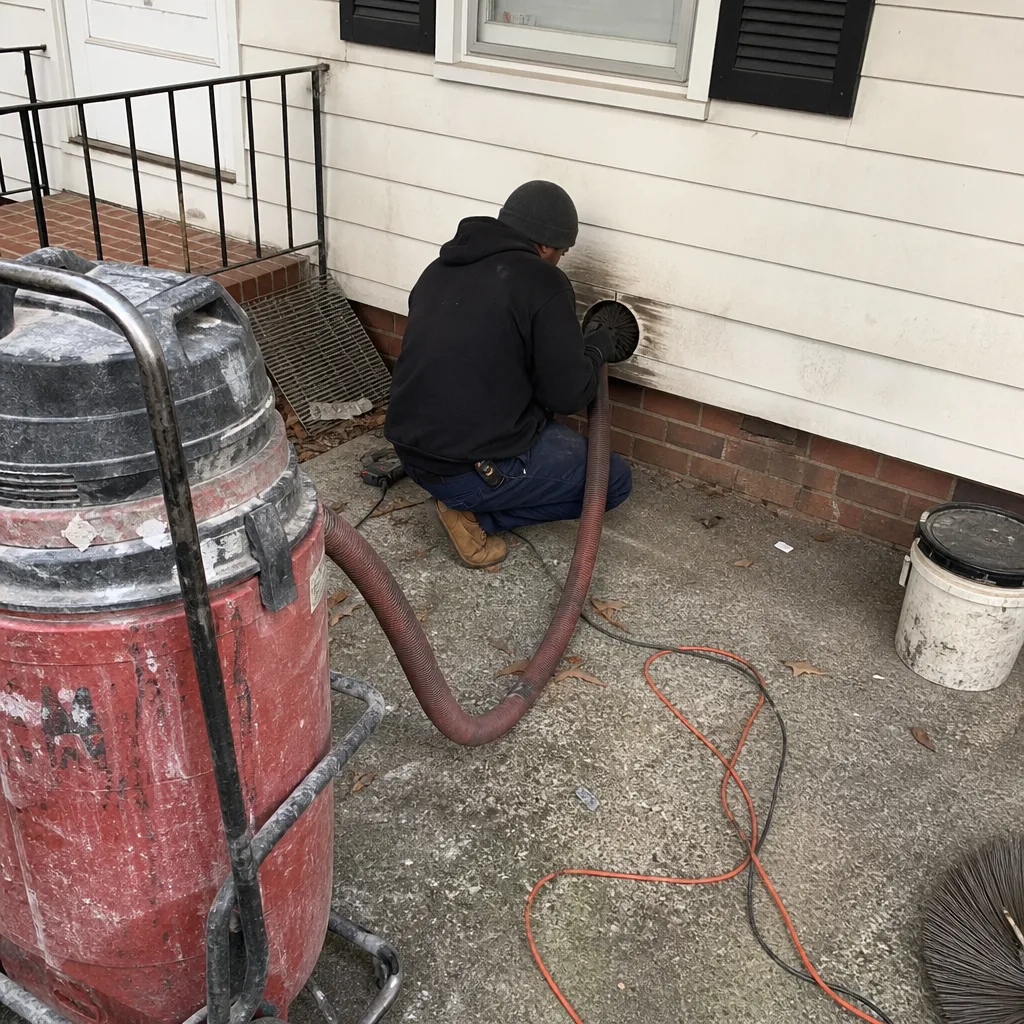 Before
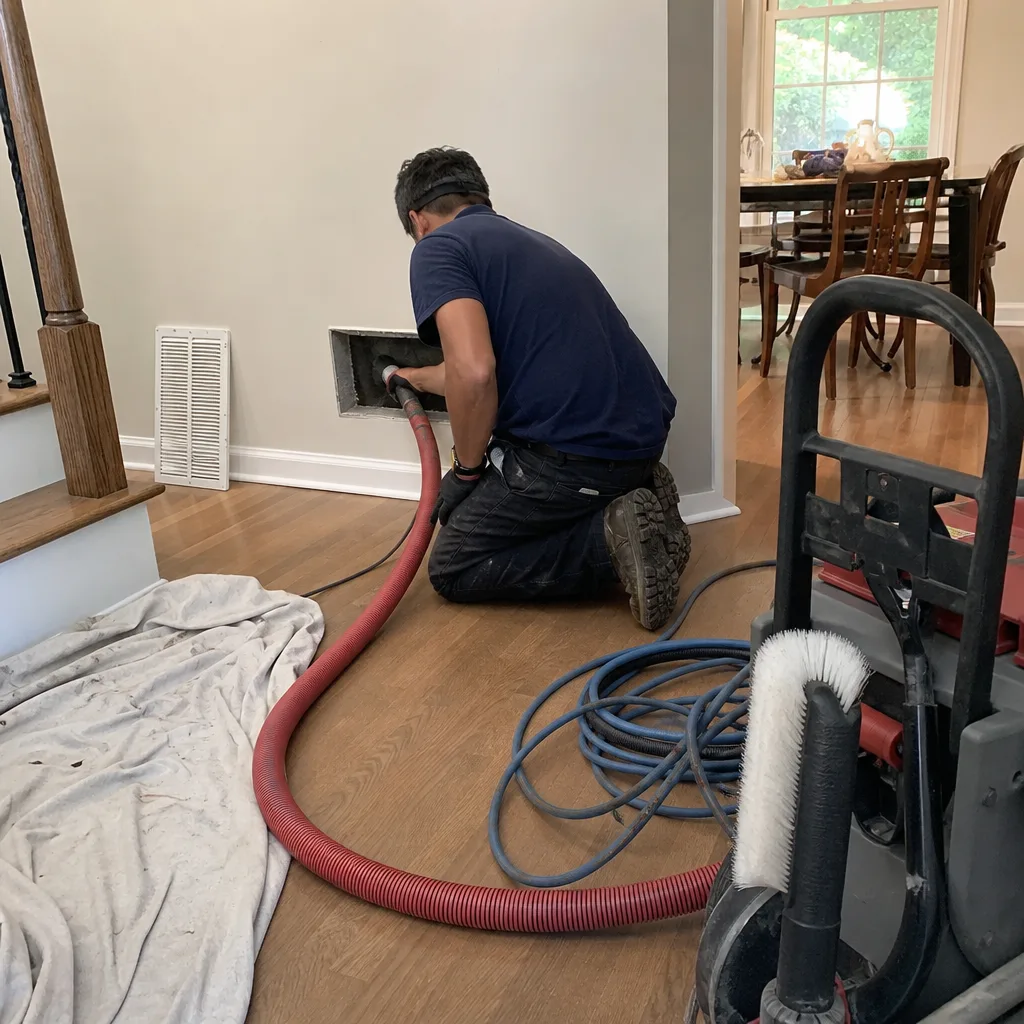 After
After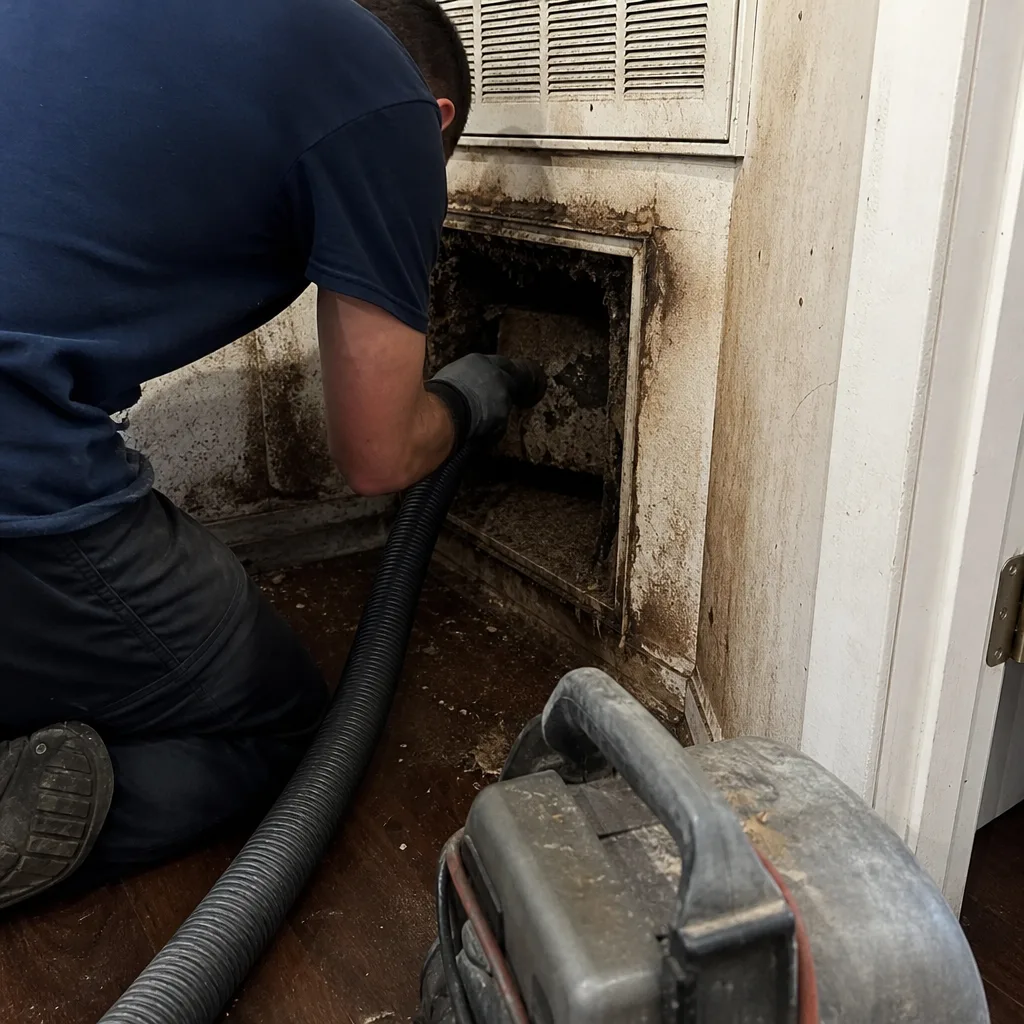 Before
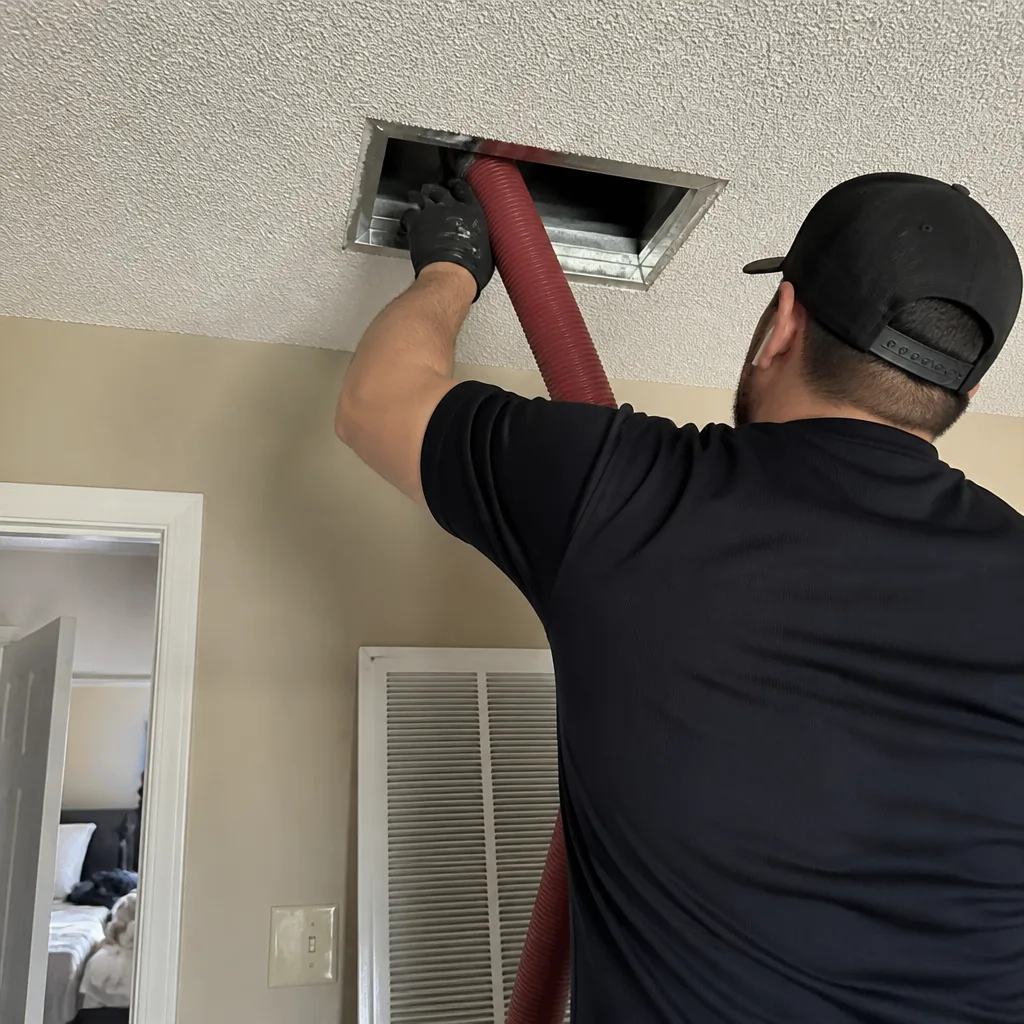 After
After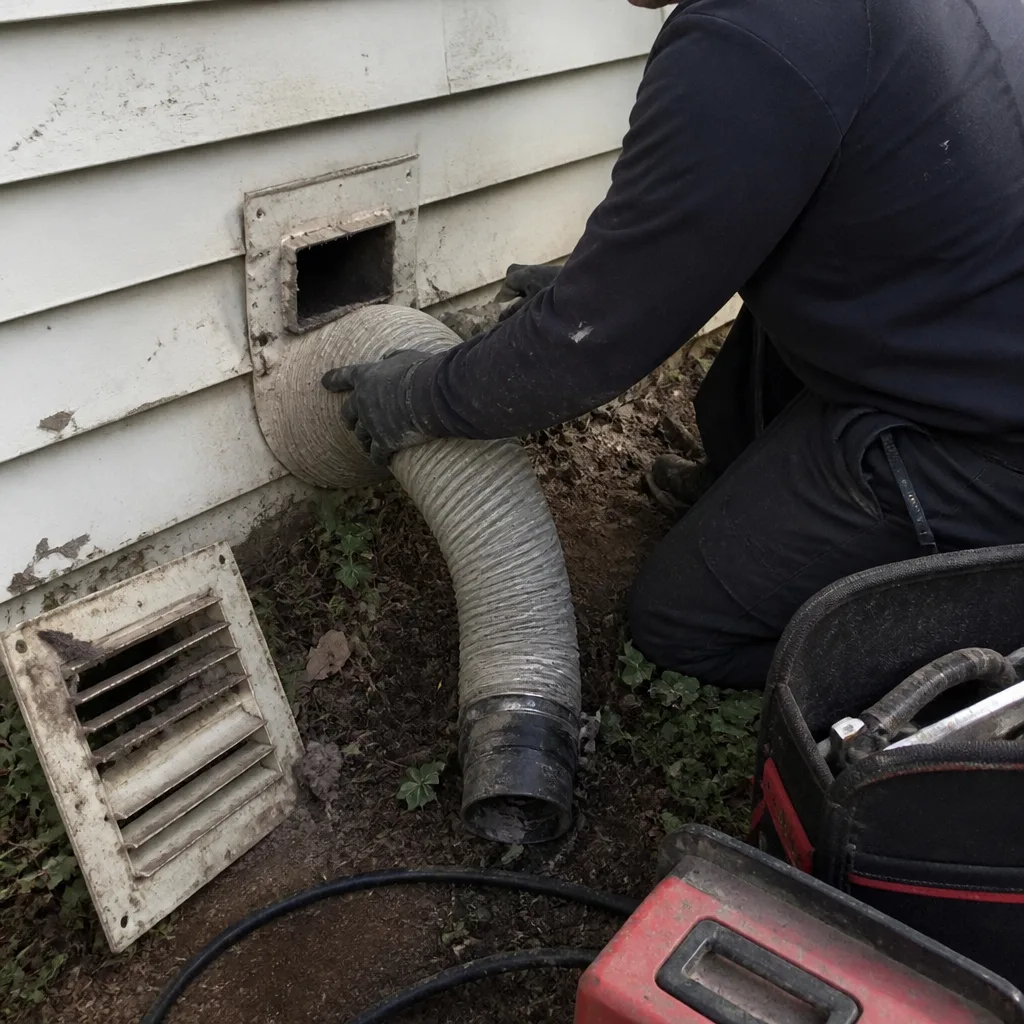 Before
 After
AfterReplacement Cost & What’s Included
For Honeywell register and grille cleaning plus replacement where needed, most Atlanta homes run between $180 and $450. The spread depends on three things: how many registers and grilles you have, whether they need cleaning only or actual replacement, and whether any are the motorized TrueZONE type, which cost more than standard manual registers. A straight cleaning of all registers and grilles in a typical three-bedroom Atlanta home, with debris removal from the visible duct opening, usually lands around $180 to $250. Full replacement with OEM Honeywell parts on a 12-opening home typically goes $300 to $450.
Every price we quote is written down and handed to you before we touch the first screw. That written price covers the parts, the labor, the cleanup, and the disposal of old registers. We don’t do per-vent add-ons or discover a “necessary upgrade” halfway through. What we quote is what you pay. And the work is covered by our 365-Day Done Right Promise in writing: if a register we installed fails within a year, we come back and make it right at no charge. That includes the part and the labor.
DIY or Call Us?
Here’s the honest split, from Dale Whitmore, who’s been pulling registers out of Atlanta ductwork for years. Cleaning a standard Honeywell register is something you can do yourself: take it outside or to a utility sink, use warm water and a mild degreaser, dry it completely, and put it back. What you should not do is remove a TrueZONE motorized register without disconnecting the zone control first, or attempt to bend a warped frame back into shape – the metal fatigues and cracks, and a cracked register edge will cut a bare foot.
Where DIY goes wrong most often in Atlanta is the “cleaning” that starts as a wipe-down and ends with a homeowner pulling the register, reaching into the duct with a shop vac hose, and accidentally severing a damper linkage or pushing debris deeper into the trunk line. At that point we’re doing a duct cleaning job plus a register replacement, which costs more than the register service alone would have. If the register is damaged, warped, or motorized, call us at (470) 378-1006. We’ll give you a written price over the phone and show up when we say we will.
FAQs
A standard Honeywell manual register lasts 8 to 15 years in Atlanta conditions before the damper mechanism or finish gives out, with grilles in high-humidity areas like bathrooms and kitchens failing on the shorter end of that range. The humidity plus constant seasonal adjustment cycles work the moving parts harder here than in drier climates. If yours are older than a decade and showing any of the symptoms above, replacement is usually cheaper than a repair call. Call (470) 378-1006 for an exact quote on your home – estimates are free.
Sometimes, but only for simple problems: a loose mounting tab, a bent louver that hasn’t cracked, or a damper blade that slipped off its pivot. Stripped damper gears, warped frames, and failed paint are replace-only situations because the fix either costs more than a new OEM part or won’t hold. We’ll tell you straight which category yours falls into before we do any work. Call (470) 378-1006 and describe what you’re seeing – we can usually diagnose it over the phone.
For a typical Atlanta home with 8 to 12 openings, cleaning and replacing all registers and grilles takes 2 to 3 hours on site. That includes removing each register, cleaning the visible duct opening, installing the new Honeywell parts, and testing airflow at each location. Motorized TrueZONE registers add about 20 minutes each because we verify the zone control still talks to the damper properly after the swap.
We keep OEM Honeywell registers in the most common Atlanta residential sizes on the truck – 4×10, 4×12, 6×10, and 6×12 in white, brown, and paintable finishes – along with compatible dampers for Honeywell Home and Enviracaire lines. Uncommon sizes or specialty finishes usually take 2 to 3 business days to source. We also stock compatible parts for Lennox, Trane, and Carrier systems, so if your home has a mixed-brand install, we can handle the whole job in one visit. Call (470) 378-1006 with your measurements and we’ll confirm availability before we head out.
Written by Dale Whitmore, Owner, Kestrel Air Duct Atlanta at Kestrel Air Duct Atlanta, serving Atlanta and nearby areas.
Clean ducts, plain talk, everything in writing.