
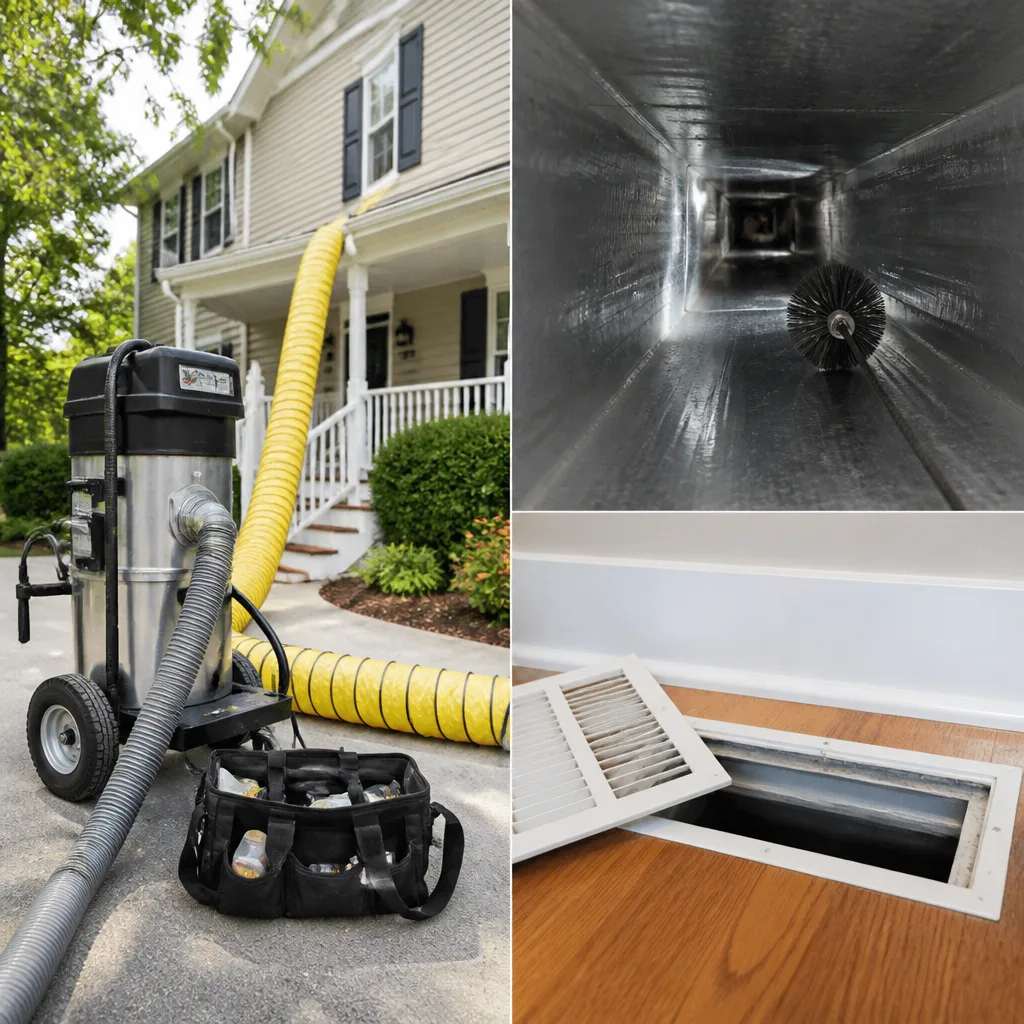
 Whole-home duct cleaning
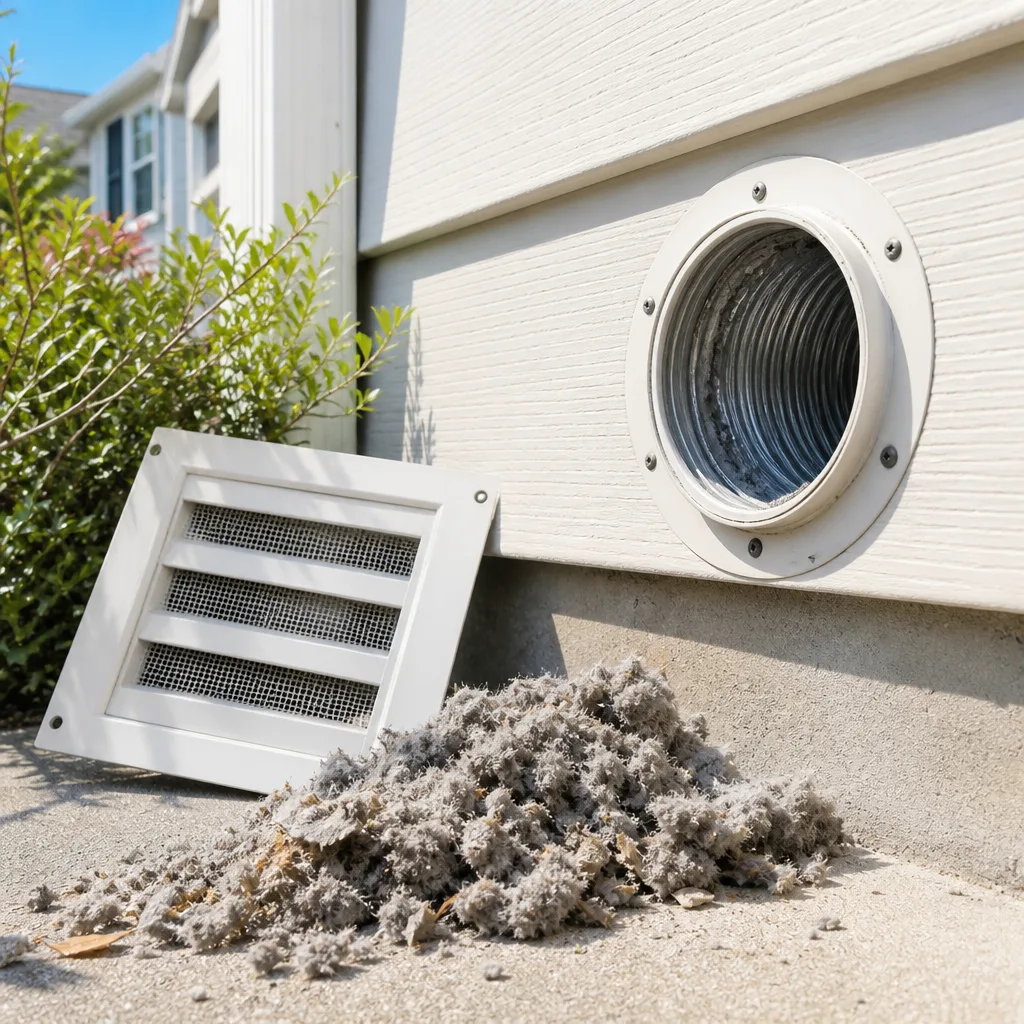 Dryer vent cleaning
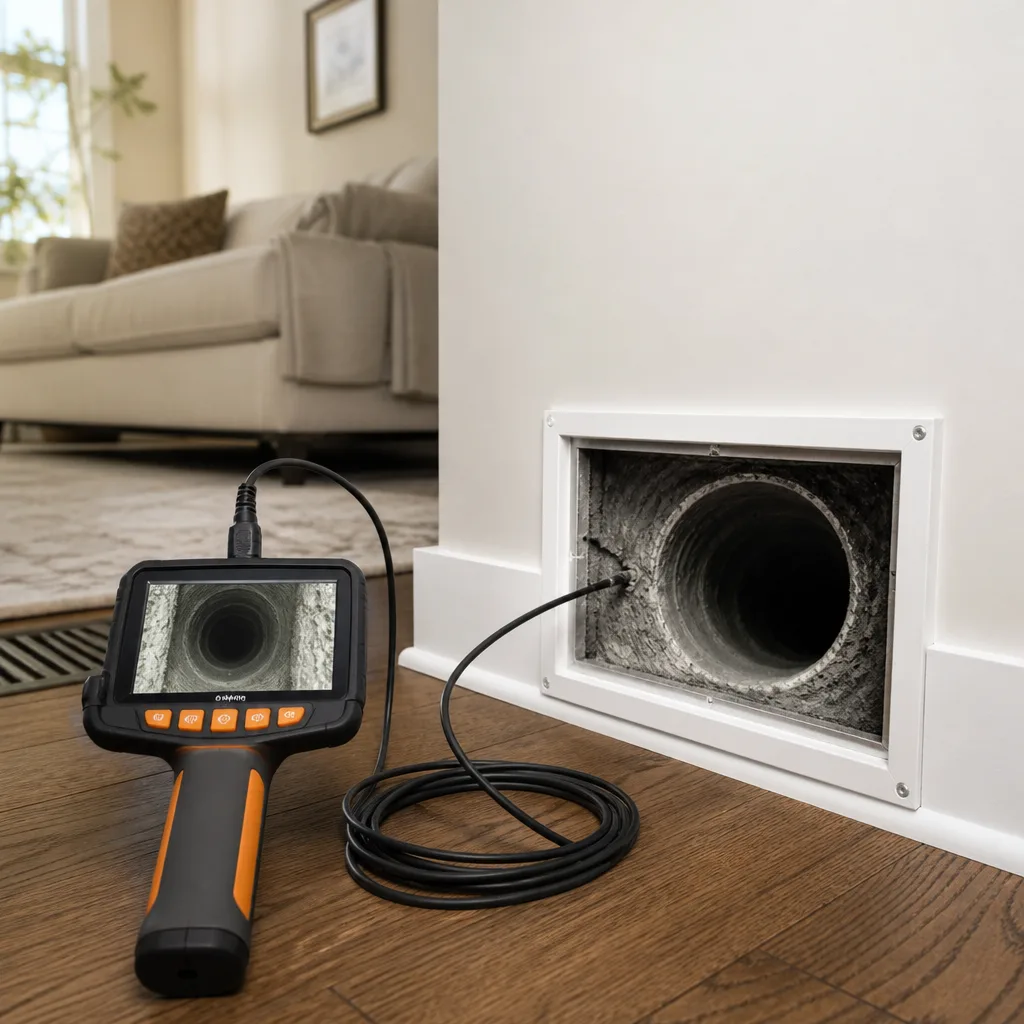 Camera inspection
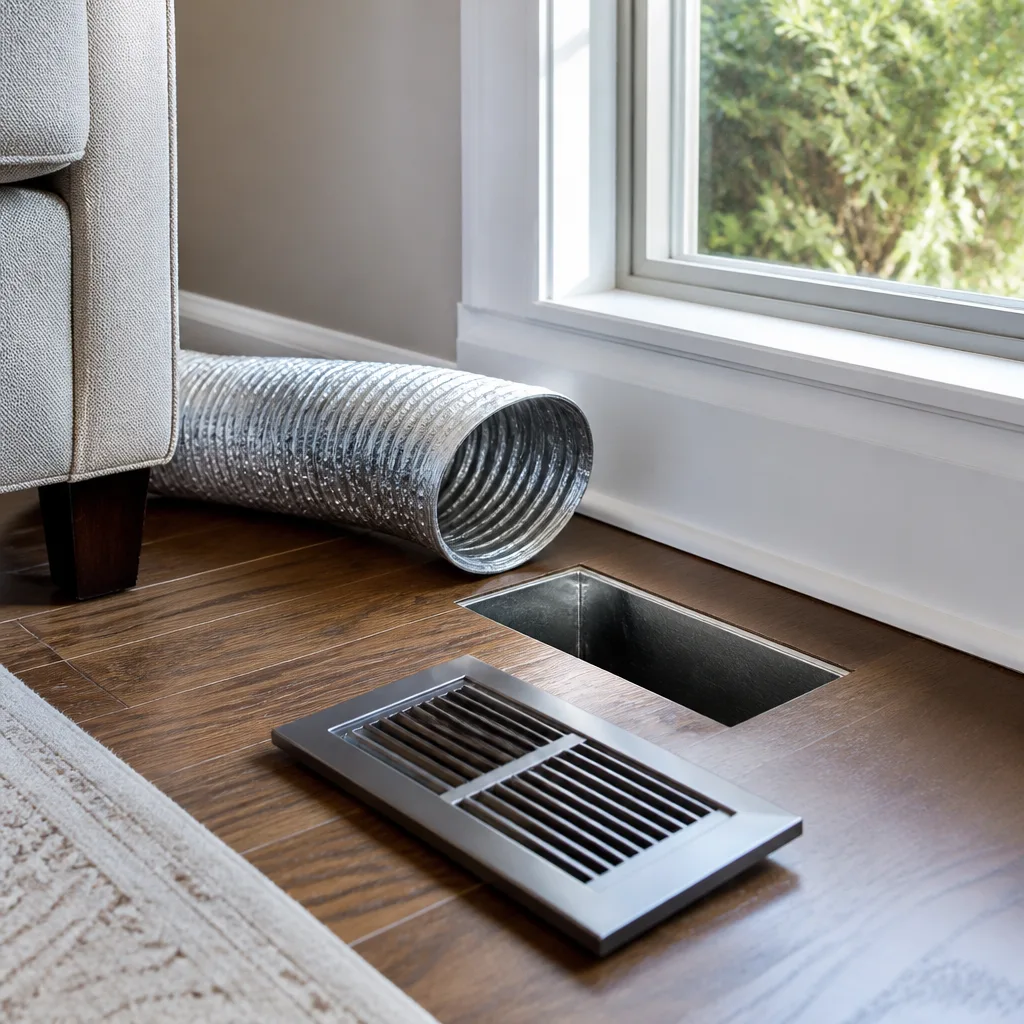 Sanitizing & deodorizing
Whole-system duct and dryer vent check with before-and-after photos - you see exactly what came out of your vents
That "$99 whole-house special" is a bait ad - the real number appears once they are in your hallway, or the "clean" is a shop-vac at the register. We photograph the inside of your ducts before and after instead.
Abatement Technologies Coil Cleaning: The Atlanta Owner’s Guide
If your Abatement Technologies coil cleaning system has lost suction, the coils are caked with debris, or the unit won’t hold pressure, we stock and install replacement coil cleaning parts for Abatement Technologies units across Atlanta at an installed price that typically runs between $185 and $420 depending on the model and what’s actually failed. Most jobs are done the same day we arrive, and you’ll know the full price before we touch anything. Homeowners usually call us after noticing the system just doesn’t pull the way it used to, or a technician flagged the coils during a routine duct cleaning visit and told them it was time.
We’re an independent service provider, not affiliated with Abatement Technologies. That means we stock genuine OEM parts and quality aftermarket equivalents, and we tell you the difference in plain English before you spend a dollar.
Which Abatement Technologies Models This Applies To
Abatement Technologies builds coil cleaning systems into several of their HEPA filtration and negative-air units, and the coil configuration isn’t the same across the board. The most common units we see in Atlanta homes and small commercial spaces are the Predator series, the HEPA-AIRE line, and the Vantage series. Each uses a different coil density and fin spacing, and that matters more than most people realize. A coil from a Predator 600 won’t seat properly in a HEPA-AIRE 2000, even if it looks close at a glance. The mounting flanges sit about three-eighths of an inch off, and forcing it means air bypasses the coil entirely.
The fastest way to identify what you need is to pull the unit’s serial plate. It’s usually riveted to the housing near the power cord. You’re looking for the model prefix, then a three- or four-digit number. That prefix tells us the coil series: the older square-fin coils (pre-2015) versus the newer corrugated-fin design that Abatement switched to for better heat transfer. If the plate is worn off, measure the coil face dimensions. The older square-fin coils run 12¼ inches by 9¾ inches with a one-inch fin depth. The newer ones are slightly narrower at 11½ inches. An eighth of an inch is the difference between a proper seal and air leaking past.
On OEM versus aftermarket: Abatement’s OEM coils are well built, but they’re priced like proprietary parts, and lead times from the manufacturer can stretch to two or three weeks. There are two aftermarket manufacturers whose coils we’ve installed for years with no increase in callbacks, and they cost about 30 to 40 percent less. If you’re out of warranty, it’s often the smarter money. If the unit is still under manufacturer warranty, go OEM so you don’t void it.
Key takeaways:
- Model prefix on the serial plate determines the coil series, not the unit’s general appearance.
- Pre-2015 units use square-fin coils; 2015 and later use corrugated-fin coils. They do not interchange.
- Aftermarket coils from two specific manufacturers hold up as well as OEM and cost significantly less, unless warranty coverage is on the line.
Styles & brands we work with
Signs Your Abatement Technologies Coil Cleaning Is Failing
- Reduced airflow at the registers regardless of fan speed. The coil is a restriction point in the airstream. When fins clog with lint, pet hair, and the fine dust that Atlanta’s pollen season forces through every return, static pressure climbs and airflow drops. You’ll notice it as rooms that never quite reach temperature, even with the thermostat set aggressively.
- The unit trips its thermal overload more than once a month. A clogged or corroded coil makes the compressor or blower motor work harder, drawing more amperage. When the thermal switch trips repeatedly in a Georgia summer, the coil is often the root cause, not the motor itself.
- Visible frost or ice on the coil or refrigerant lines when the system runs. Restricted airflow across a dirty coil drops the coil temperature below freezing. In Atlanta’s humidity, that frost forms quickly and then melts into the drain pan, over and over. You’ll often see water stains on the housing or a musty smell that won’t quit.
- Coil fins are bent flat or have a whitish, crusty corrosion along the bottom edge. Bent fins choke airflow. The corrosion is a byproduct of condensation sitting on the coil with Atlanta’s acidic rain chemistry mixed in. Once the aluminum oxidizes, the fin surface weakens, and cleaning chemicals accelerate the damage.
- A scraping or chattering sound from the unit during the defrost cycle. That sound is usually the fan blade contacting accumulated ice or debris that has broken free from the coil face and lodged in the housing. It means the coil has been fouled long enough that material is sloughing off in chunks.
See the difference
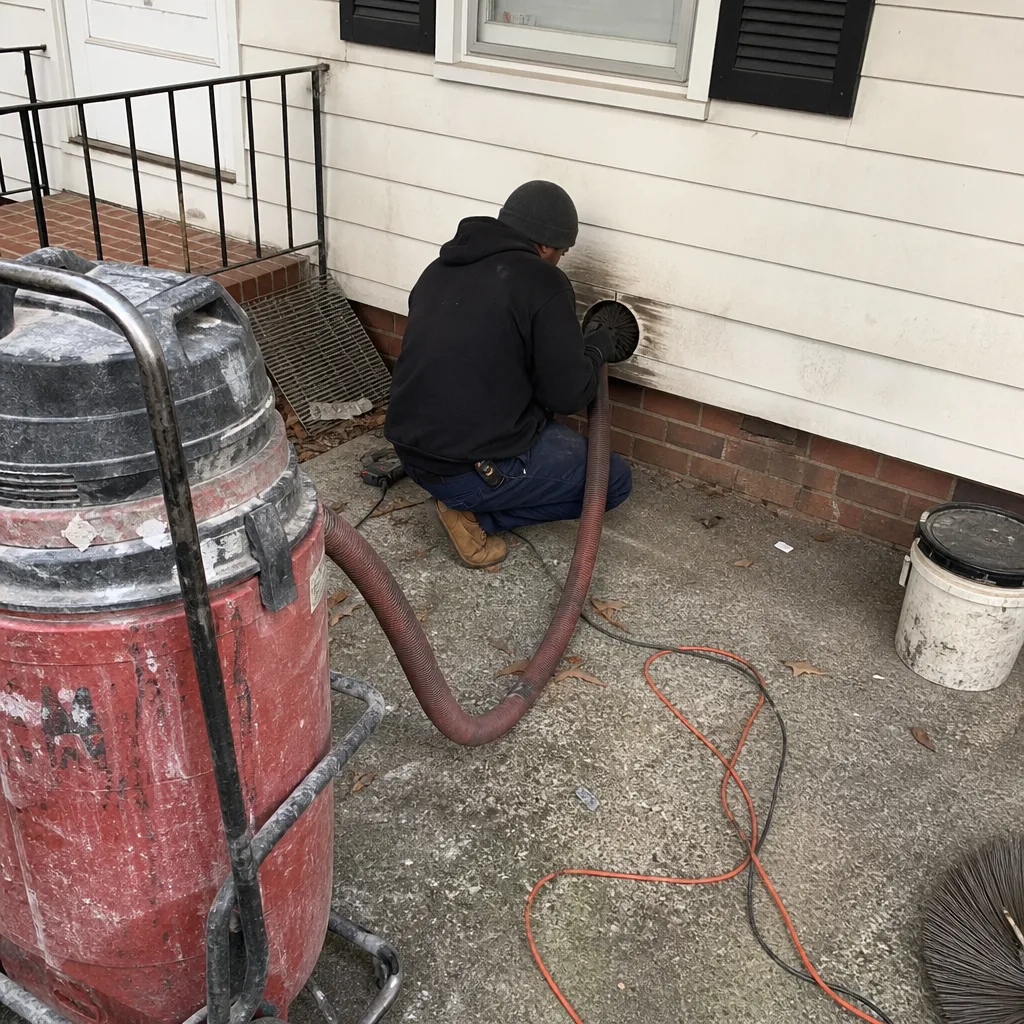 Before
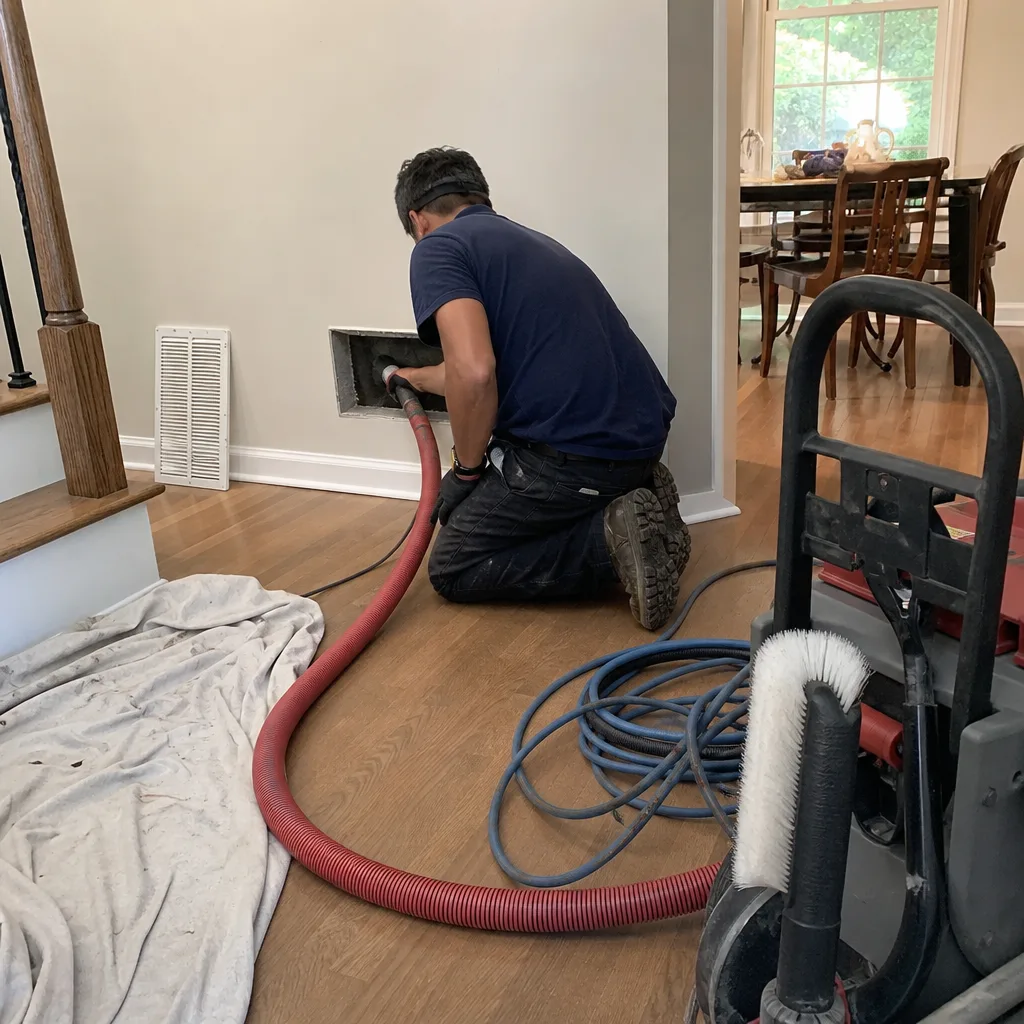 After
After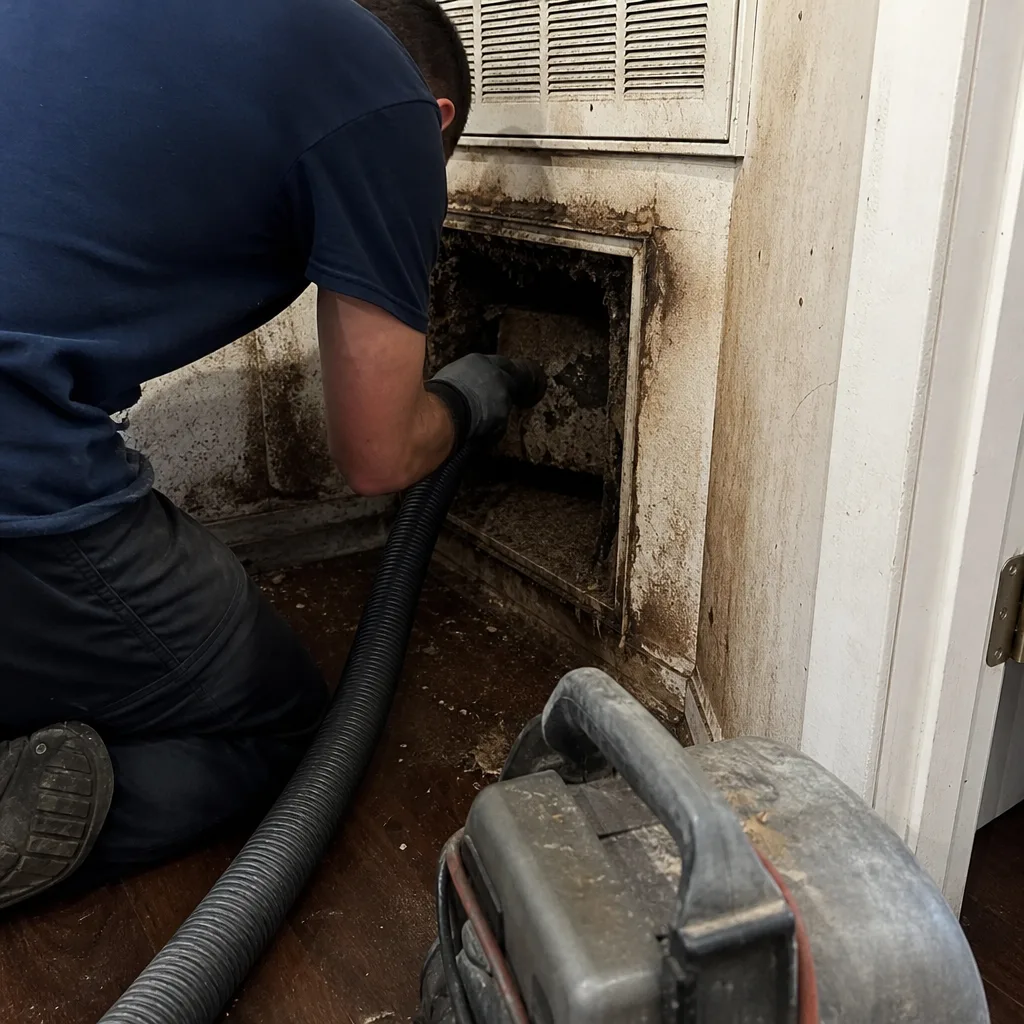 Before
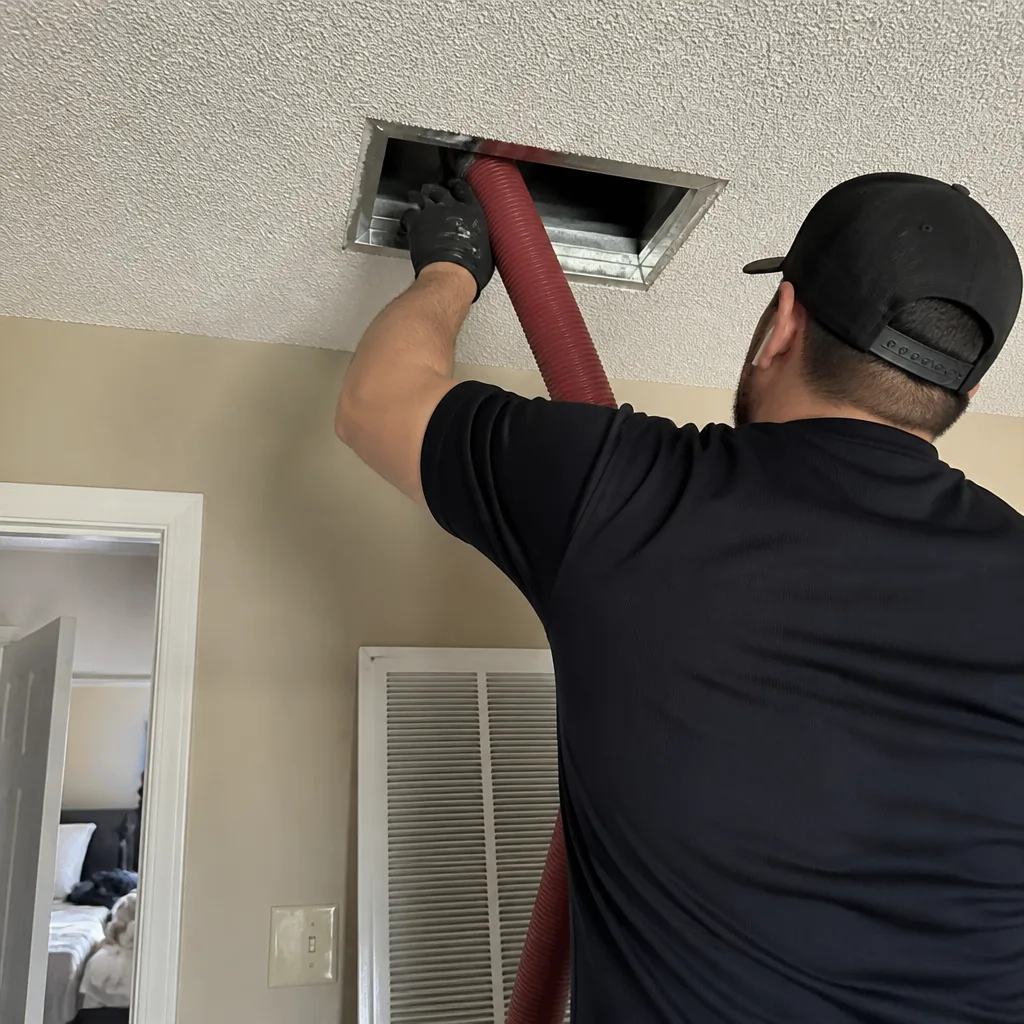 After
After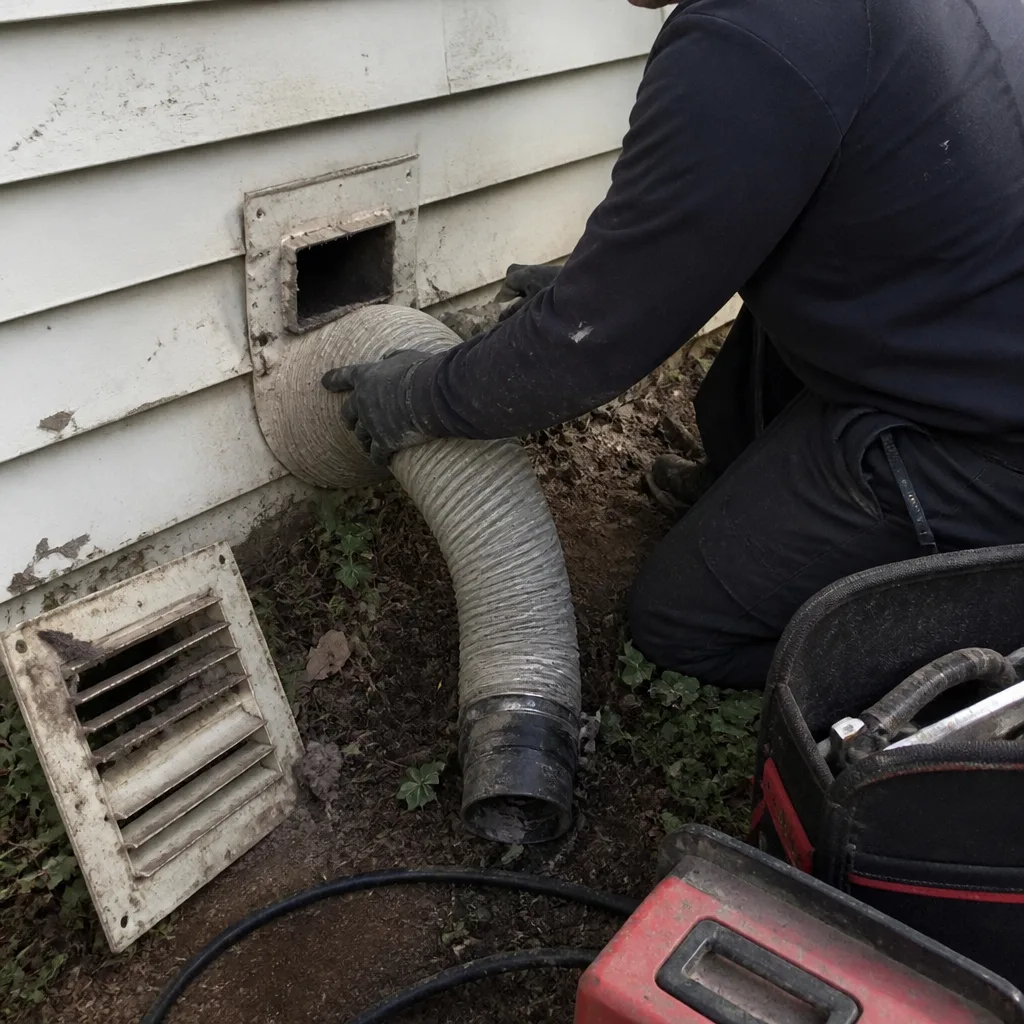 Before
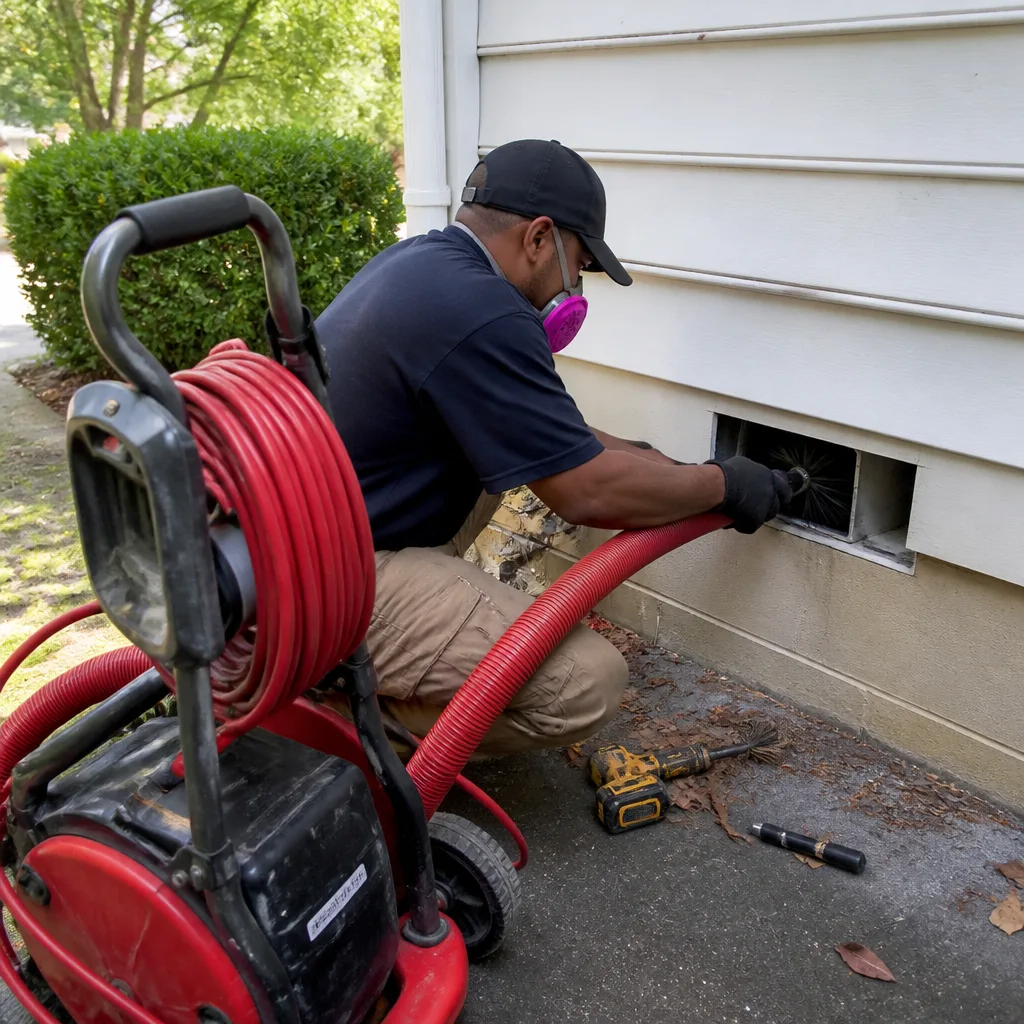 After
AfterReplacement Cost & What’s Included
In Atlanta, a full Abatement Technologies coil cleaning replacement, installed, runs between $185 and $420. The spread depends on three things. First, which coil series your unit needs: the older square-fin coils sit at the lower end, while corrugated-fin and larger commercial-size coils push toward the upper end. Second, access. Some Atlanta mechanical closets and attic installations make this a ninety-minute job; a few make it a three-hour job because the unit is wedged into a corner. Third, whether we’re replacing just the coil or also the drain pan gasket and mounting hardware, which we strongly recommend whenever the coil has been leaking or corroding.
Every quote is a single written price that includes the part, labor, refrigerant handling if applicable, and cleanup. You get that number before we start work. If we find something unexpected, we stop and talk to you. We don’t surprise you with a revised invoice at the door. The work carries our 365-Day Done Right Promise: if the coil fails or the job wasn’t done right within a year, we return at no charge and make it right. That’s in writing, on every job.
DIY or Call Us?
There are a couple of things you can check without opening the unit. If airflow has dropped, look at the return filter first. A clogged filter in an Atlanta home during pollen season can mimic a failing coil, and that’s a five-dollar fix. You can also inspect the coil through the access panel if your unit has one with a sight window, looking for matted debris or frost. That’s where the safe DIY territory ends.
Opening an Abatement Technologies unit and pulling a coil means working around refrigerant lines under pressure and live electrical connections, and if you nick a line or misalign the coil on reassembly, you’ve created a leak or an air bypass that makes everything worse. We’ve fixed enough botched DIY coil pulls to say this plainly: the savings disappear the moment a refrigerant line gets bent. If you’re in Atlanta and the coil looks done, call us at (470) 378-1006. We’ll diagnose it properly and give you a number before anything gets taken apart.
FAQs
In the Atlanta climate, we typically see coils holding up for eight to twelve years before the combination of pollen, humidity, and condensate chemistry starts causing real degradation. Units that run longer seasons, like HVAC systems in newer Atlanta builds with poor attic ventilation, tend to be on the shorter end. If your system is past the eight-year mark and you’re chasing airflow problems, the coil is the first place we look. Call (470) 378-1006 and we’ll tell you honestly whether replacement is warranted or the coil still has life.
Sometimes, but not as often as people hope. A coil that is simply matted with surface debris can often be cleaned with the right coil cleaner, and we’ve saved many Atlanta systems that way. But once you see corroded fins, bent coil faces, or cracks in the end plates, cleaning just postpones the inevitable by a few months and can actually drive corrosion deeper. We’ll show you the condition directly and give you a straight answer on whether cleaning or replacement makes more sense. Estimates are free, phone is (470) 378-1006.
Most Abatement Technologies coil replacements in Atlanta take between ninety minutes and three hours depending on access to the unit, and we schedule a defined arrival window so you’re not waiting around all day. If the job requires refrigerant recovery and recharge, that adds time and is included in the written price before we begin. Dale Whitmore and the crew carry the common Abatement coil series on the truck, so a single visit usually gets it done.
We keep the two most common Abatement coil series on our trucks, covering the majority of Predator, HEPA-AIRE, and Vantage units we see in Atlanta homes. If your unit needs a less common size, it’s typically a two- or three-day special order. We’ll confirm what your serial plate calls for and give you an exact timeline before you commit to anything. Call (470) 378-1006 and we’ll check stock while you’re on the line.
If you need coil cleaning parts for a Lennox, Trane, or Carrier unit, we stock those as well. But if it says Abatement Technologies on the housing, this is the page you wanted.
Written by Dale Whitmore, Owner, Kestrel Air Duct Atlanta at Kestrel Air Duct Atlanta, serving Atlanta and nearby areas.