
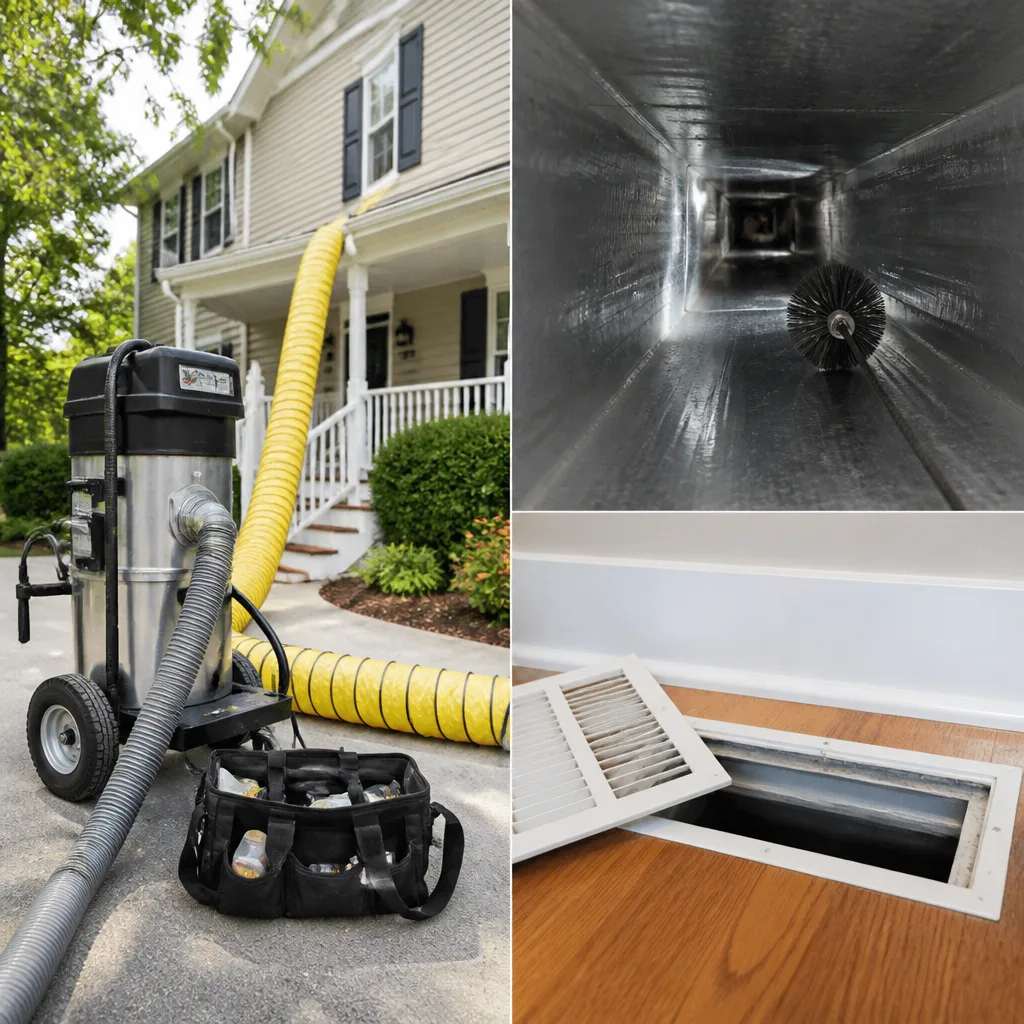
 Whole-home duct cleaning
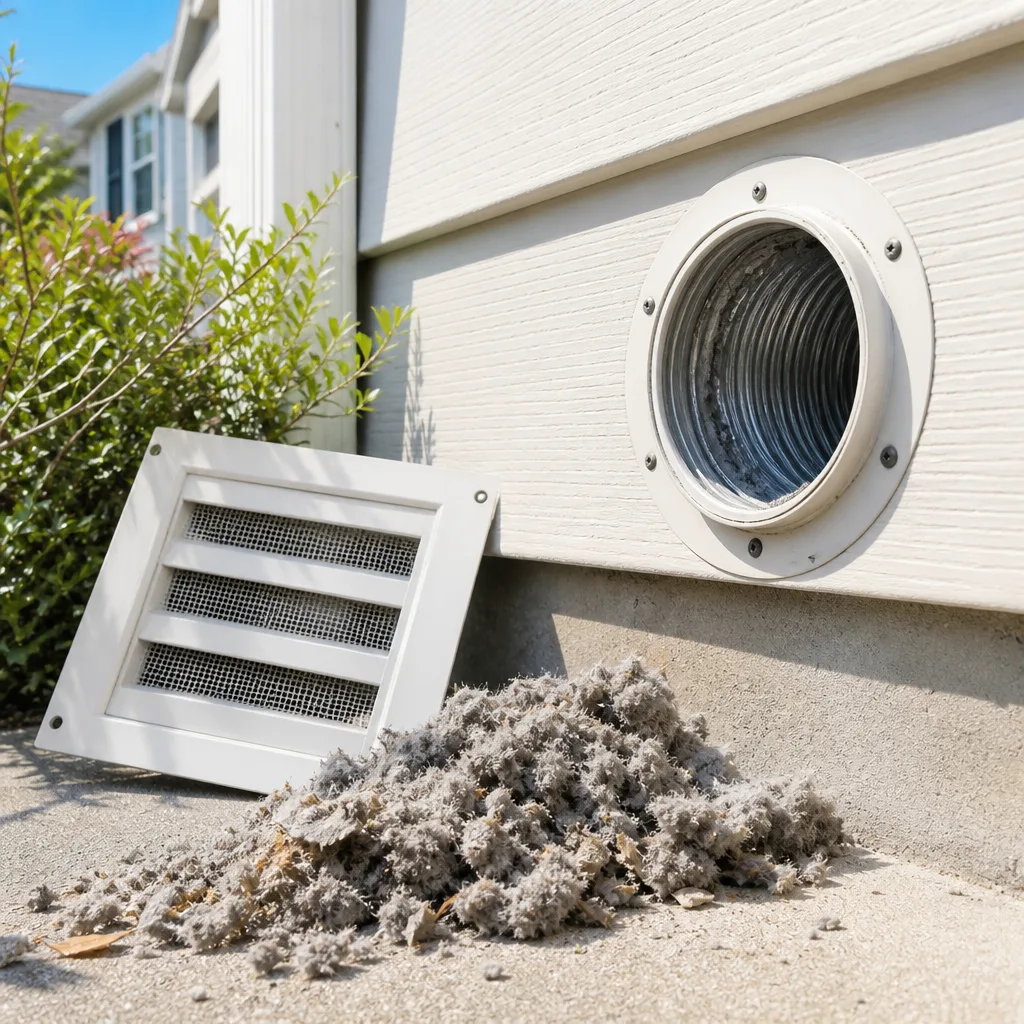 Dryer vent cleaning
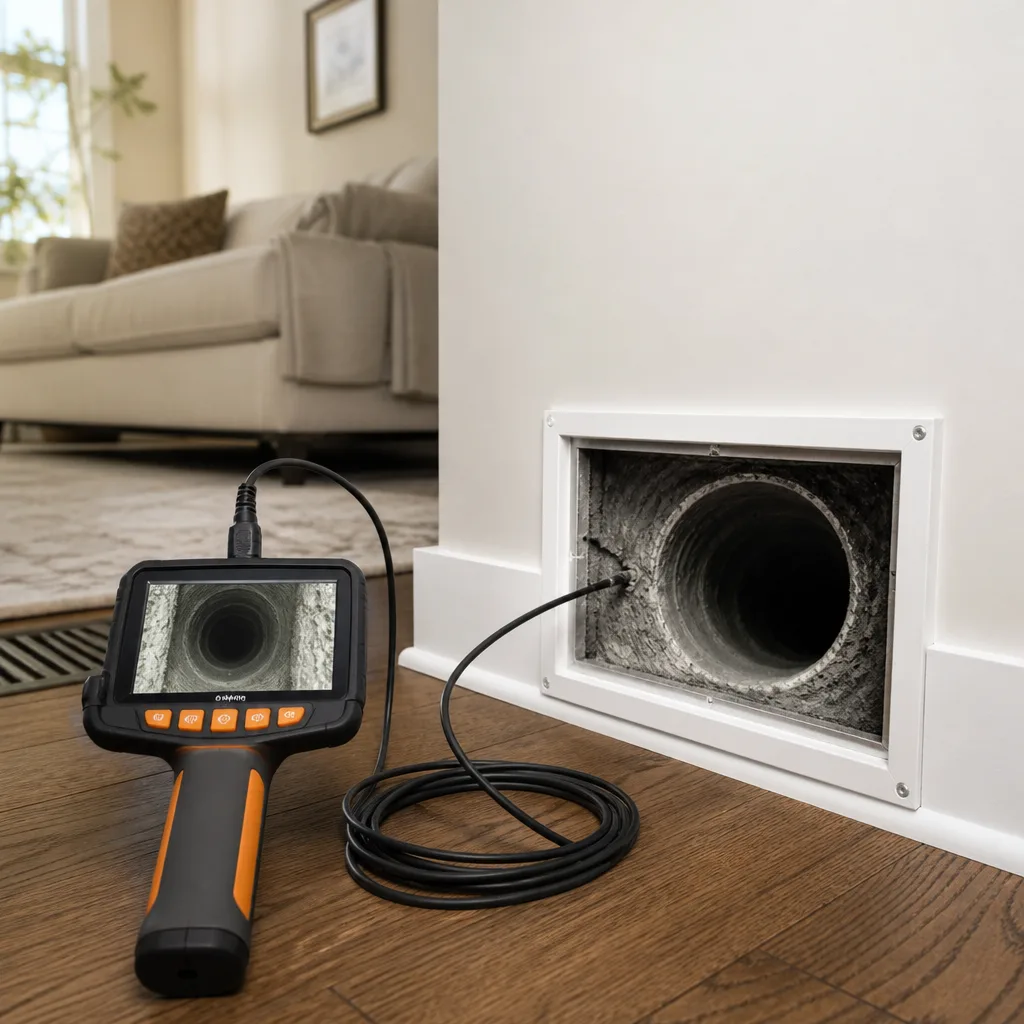 Camera inspection
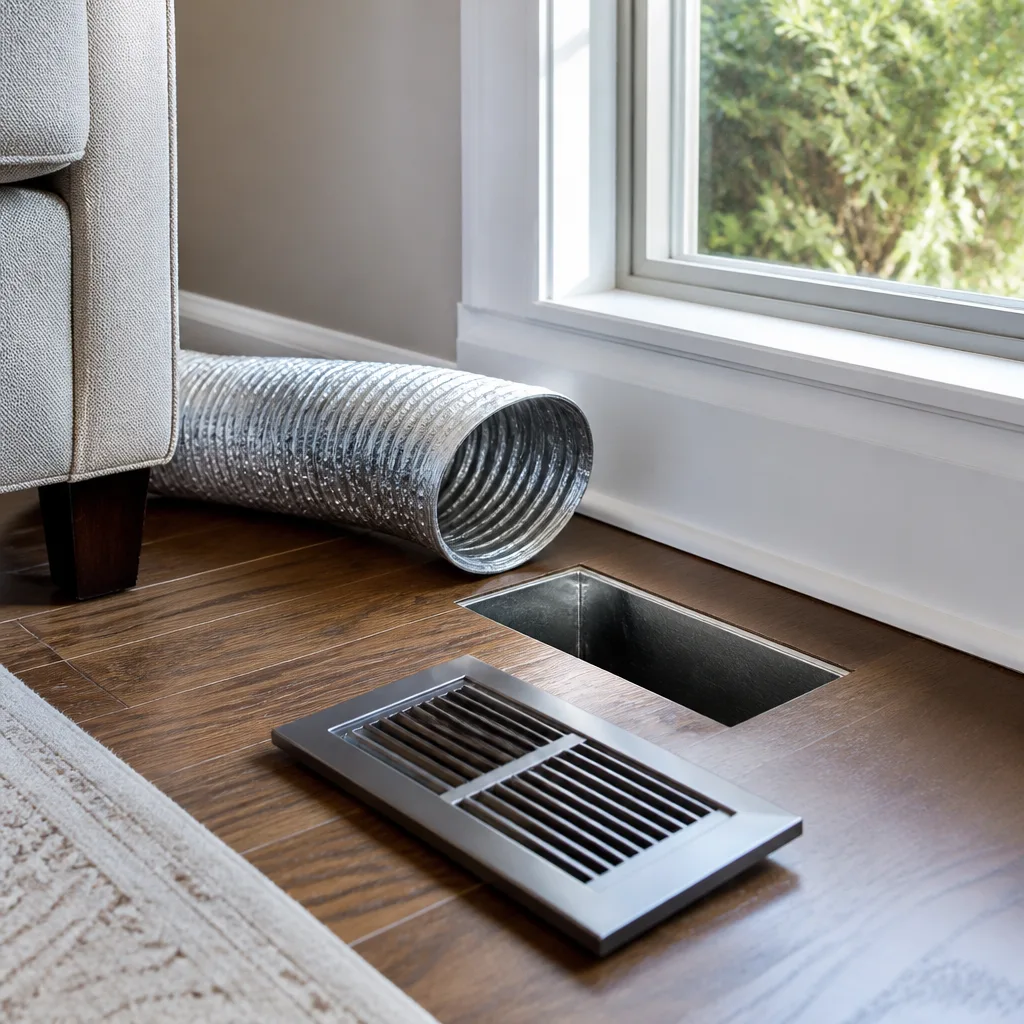 Sanitizing & deodorizing
Whole-system duct and dryer vent check with before-and-after photos - you see exactly what came out of your vents
That "$99 whole-house special" is a bait ad - the real number appears once they are in your hallway, or the "clean" is a shop-vac at the register. We photograph the inside of your ducts before and after instead.
Honeywell Duct Sealing & Repair: The Atlanta Owner’s Guide
If you have a Honeywell duct system with a failed seal, cracked collar, or separated seam, we stock the sealing materials and repair parts to fix it, and most Atlanta repairs run between $185 and $420 installed depending on how much of the duct run is compromised. We carry Honeywell-compatible mastic, foil-backed tapes, and replacement collars on our trucks, so a single visit usually handles the job. Most homeowners discover the problem the same way: a room that won’t hold temperature, a spike in the electric bill, or dust blowing from a register that was clean a month ago.
Here’s the reality of duct sealing in Atlanta: your ducts live in the attic or crawlspace, where summer heat and winter damp work on every seam year-round. Honeywell makes good components, but no seal lasts forever in a Georgia attic that hits 130 degrees in July. The good news is that a proper repair is straightforward, and we’ll show you exactly what was done before we leave.
Which Honeywell Models This Applies To
Most Honeywell residential duct systems we see in Atlanta fall into two groups: the flexible duct runs common in ranch homes and newer construction, and the rigid sheet-metal trunks found in older two-story houses. The sealing and repair approach changes depending on which you have, but the failure points are consistent: collar connections at the plenum, seam separation mid-run, and end-cap seals where the duct meets the register boot.
To identify what you’re working with, look at the foil label printed along the duct jacket. Honeywell marks their flex duct with a model code that includes the diameter (typically 6, 8, or 10 inches in residential Atlanta systems) and the R-value of the insulation. That R-value matters more than most people realize: Atlanta’s code requires R-6 minimum in unconditioned attics, and we regularly find older R-4.2 duct that was borderline when installed and is now failing at the seams. If the label is gone, we measure the inner diameter and check the insulation thickness before quoting, because guessing wrong means a repair that won’t hold.
On the parts side, we use Honeywell-compatible sealing products engineered for the specific jacket material. Generic foil tape from a box store fails in two or three Atlanta summers because the adhesive breaks down under attic heat. Honeywell’s UL 181-rated tapes and water-based mastic are built for exactly this application, and they’re what we stock on the truck. We’re an independent service provider, not affiliated with Honeywell, but we match their parts to their systems because mixing brands is where duct repairs go wrong.
Styles & brands we work with
Signs Your Honeywell Duct Sealing & Repair Is Failing
- One room is always 6-10 degrees off from the rest of the house. A separated seam or failed collar lets conditioned air bleed into the attic before it reaches that far register. The system works harder, the room stays uncomfortable, and the leak gets worse as the gap widens.
- Your electric bill climbed with no change in usage. Georgia Power rates didn’t double; your system is just running longer to hit the thermostat. A 20% duct leak means your AC unit works 20% harder, and in an Atlanta August that’s real money every month.
- Dust appears on furniture near certain registers. When a duct pulls apart on the return side, it sucks attic air (and whatever’s in it: insulation fibers, dust, the occasional mouse nest) straight into your living space. This isn’t a housekeeping problem; it’s a breach in the system.
- You can see or feel gaps at visible duct connections. In unfinished basements or open attics, run your hand along the collar where the flex duct meets the metal plenum. If you feel air moving, or see peeling foil tape with gray mastic cracked underneath, the seal has failed.
- Rooms smell musty after rain. A failed duct connection in a crawlspace pulls damp air into the system every time the fan runs. In Atlanta’s humidity, that moisture breeds mildew inside the duct jacket itself, and sealing the leak is step one before any cleaning can hold.
See the difference
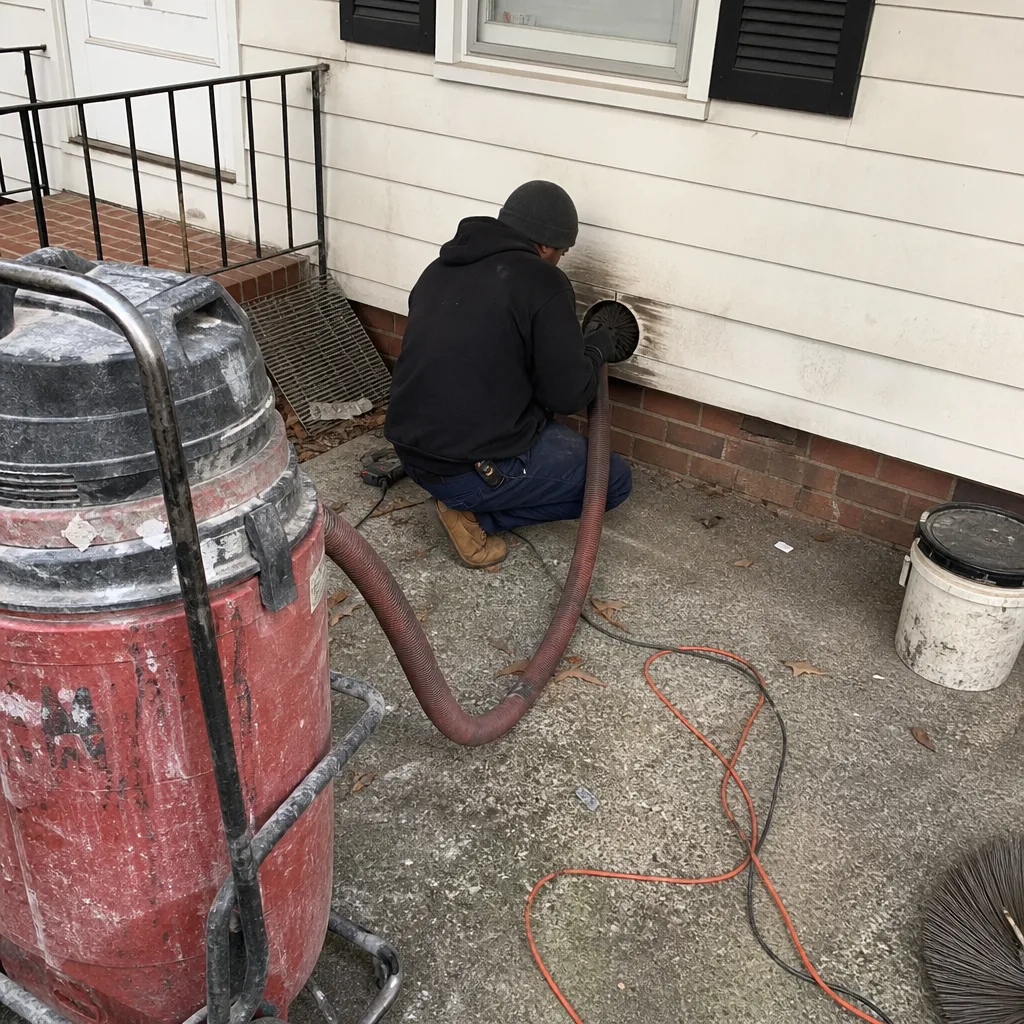 Before
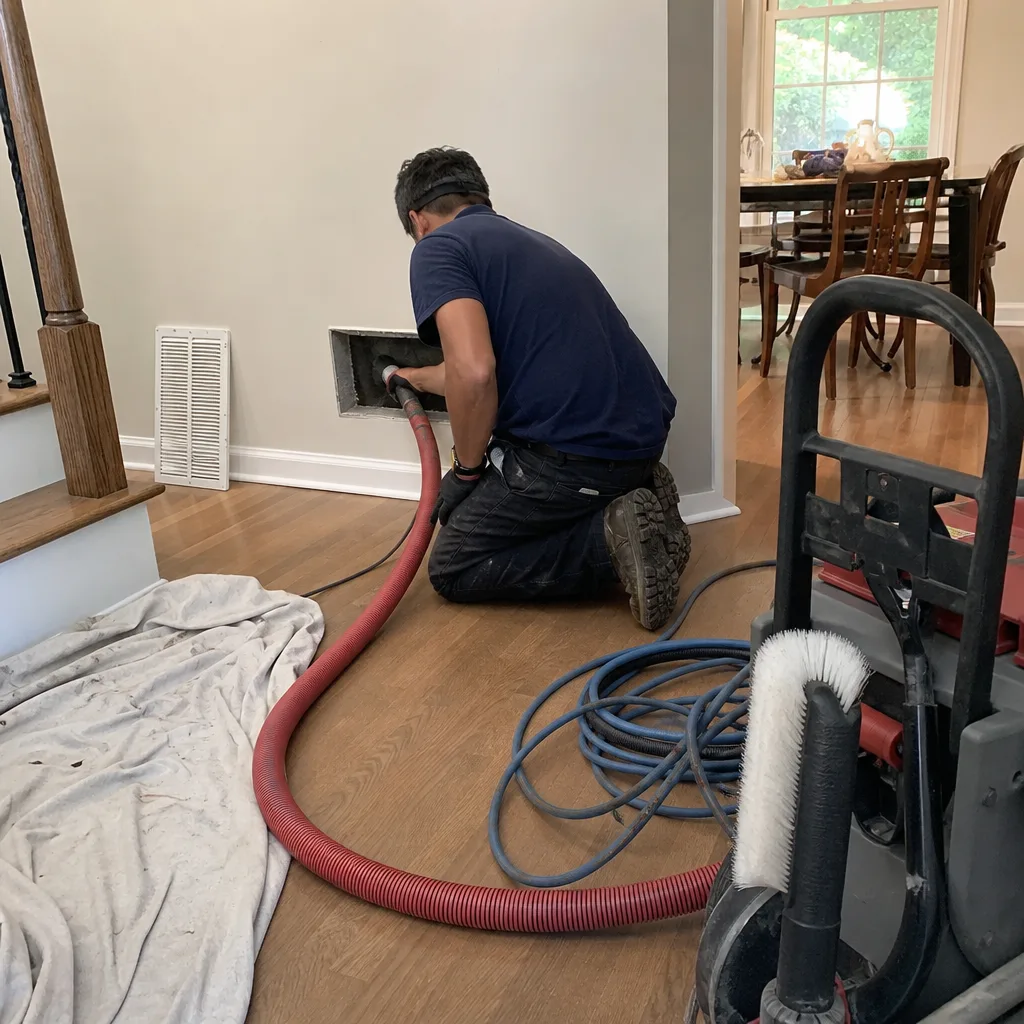 After
After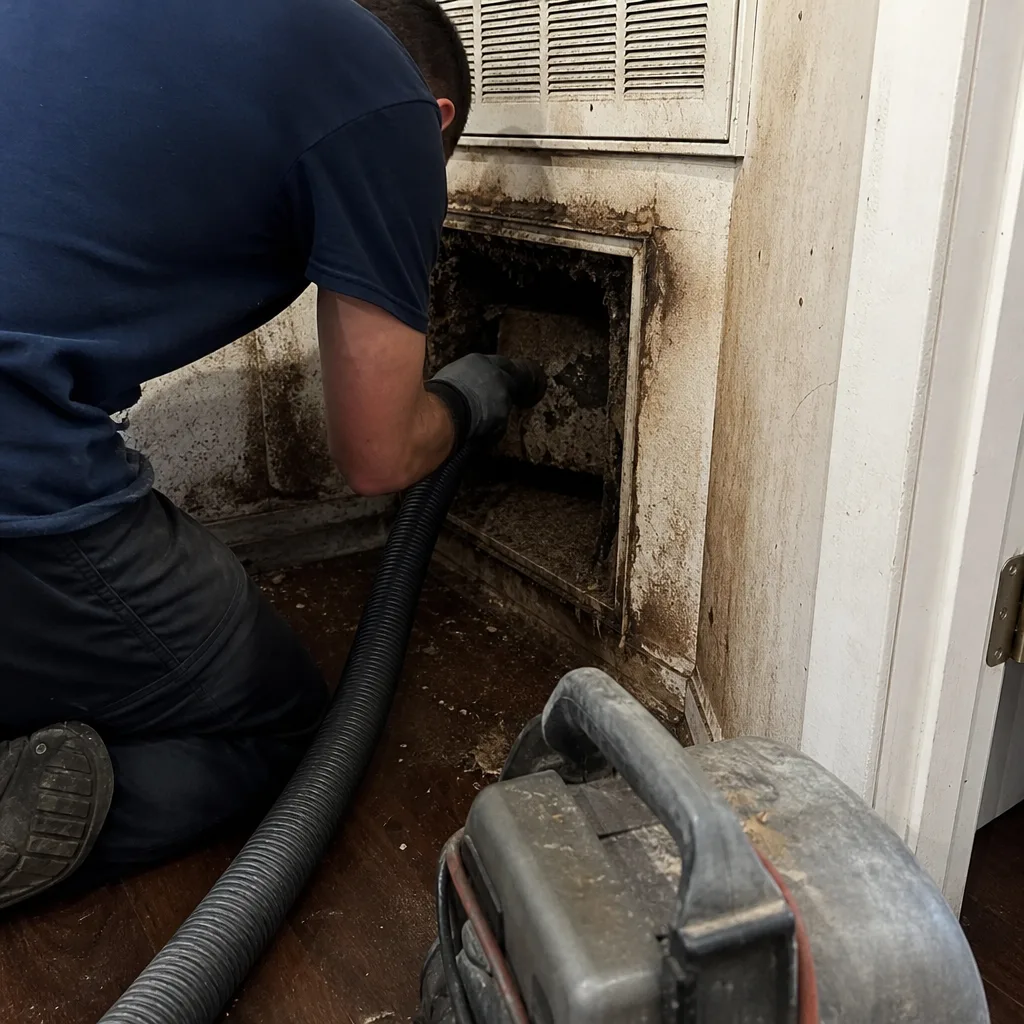 Before
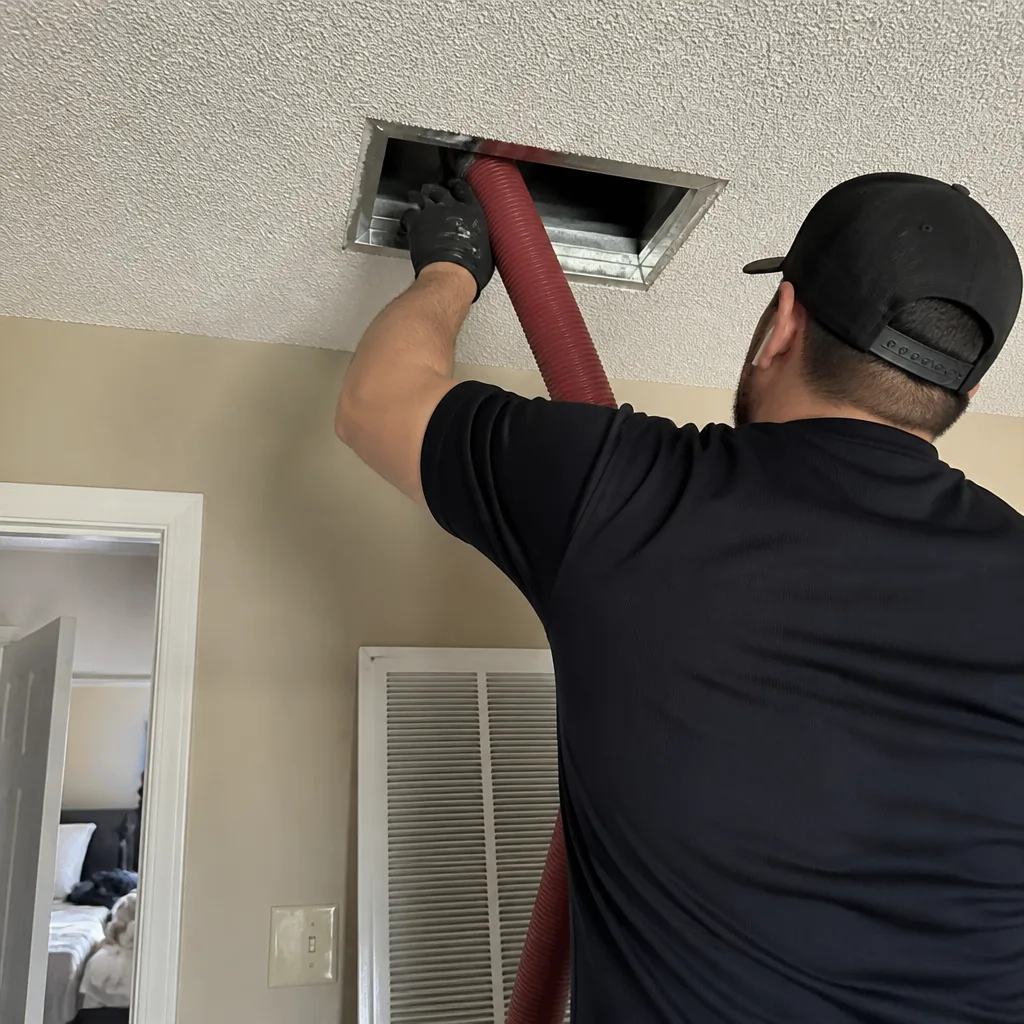 After
After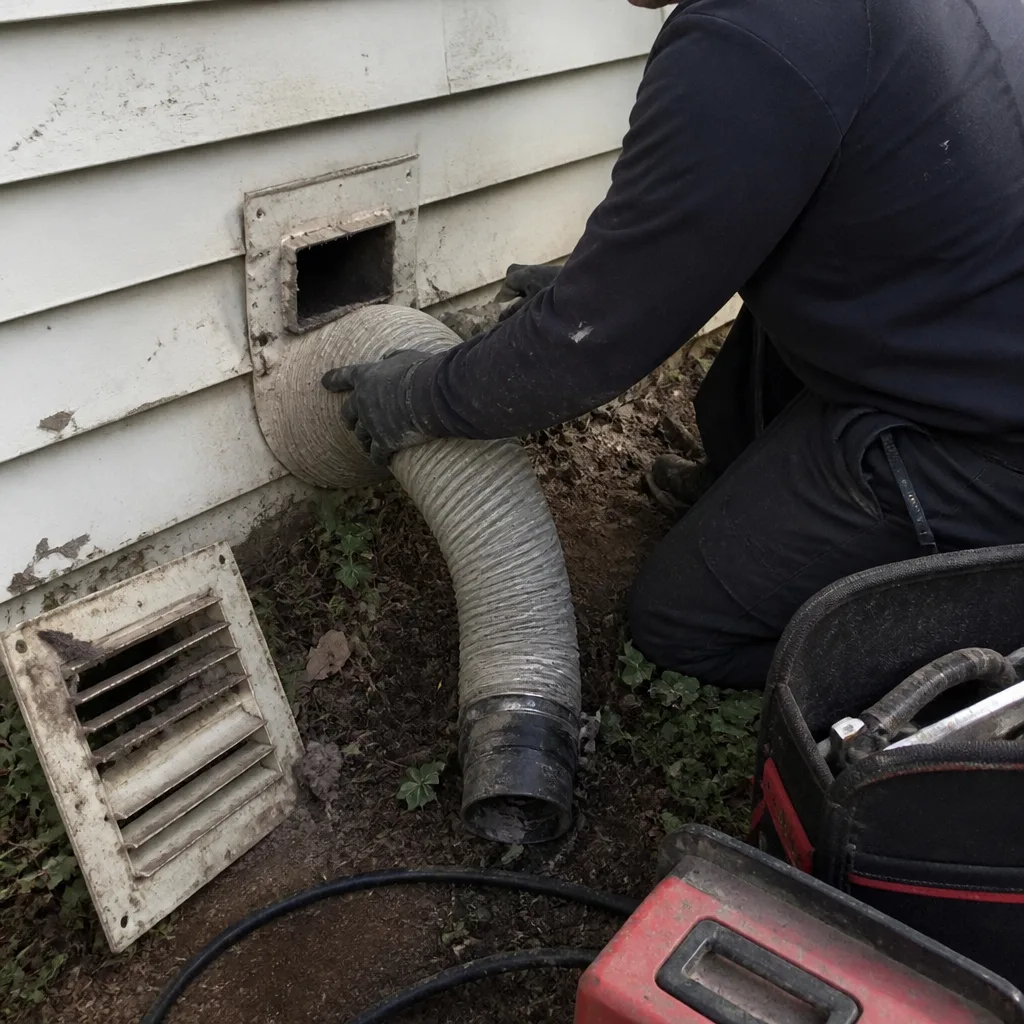 Before
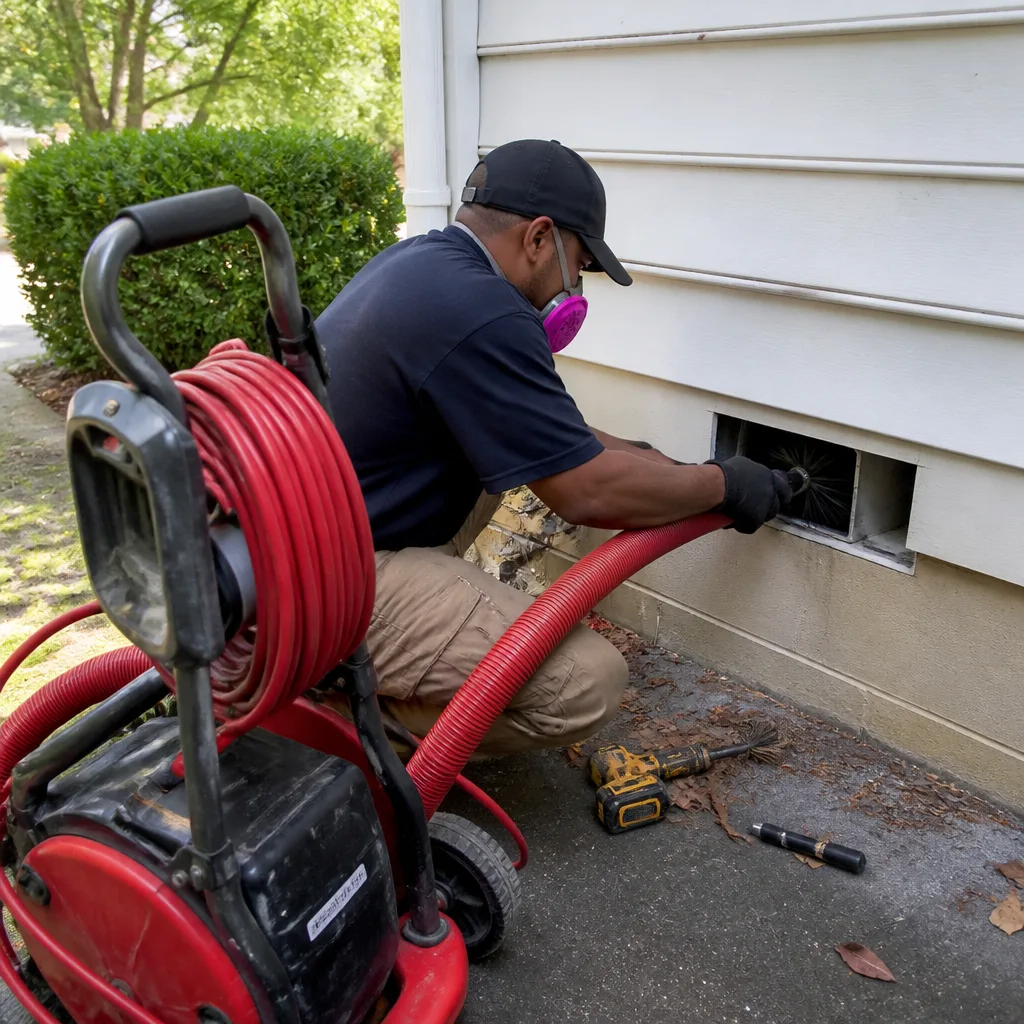 After
AfterReplacement Cost & What’s Included
In the Atlanta market, a single-point duct sealing repair typically runs $185 to $280. That covers one failed collar or seam: we remove the old tape and mastic, clean the surfaces, re-seat the connection, and apply UL 181-rated sealing products that are rated for the temperatures in a Georgia attic. A longer run with multiple failed points or a split in the duct jacket itself falls in the $300 to $420 range, because we’re often replacing a section of flex duct rather than patching it.
What drives the range is access and extent. A crawlspace repair takes longer than an attic repair because of the working conditions. A 10-inch main trunk leak costs more than a 6-inch branch line. We give you the written price before any work starts, and it includes the parts, labor, and our 365-Day Done Right Promise: if the repair fails within a year, we come back and make it right at no charge.
You won’t get a per-vent upsell from us. The price we quote is the price you pay, and we hand you a written copy of the checklist showing exactly what was sealed and with what.
DIY or Call Us?
What you can safely check yourself: visible connections in the attic, basement, or open crawlspace where you can see the duct meeting the plenum or register boot. If you spot peeling tape or cracked mastic, you’ve found a problem. Mark it with a piece of tape and give us a call at (470) 378-1006 with the diameter of the duct if you can read the label.
Here’s where DIY goes wrong: duct sealing done right requires the surfaces to be clean and dry before any mastic or tape goes on. If you seal over dust or old adhesive residue, the bond fails within a season, and you’ve spent an afternoon in a 130-degree attic for nothing. The materials matter too: hardware-store foil tape doesn’t hold up to Georgia attic temperatures, and the right UL 181-rated products cost as much direct as our full repair with the guarantee behind it. For attic work in the summer heat, a background-checked technician with respirators and proper knee protection gets it done in under an hour per point. Dale Whitmore and his crew have been in enough Atlanta attics to know where seals fail and exactly how to make them hold. Clean ducts, plain talk, everything in writing.
FAQs
A properly done seal using UL 181-rated mastic and tape on a clean surface typically lasts 8 to 12 years in Atlanta conditions, though attic access and moisture levels affect that. Our 365-Day Done Right Promise covers the first year, and if the seal fails within that window we return and fix it at no charge. Call (470) 378-1006 for a free estimate on your system.
Yes, in most cases the failed section can be stripped back and re-sealed without replacing any duct, which is why most repairs fall in the $185 to $280 range rather than the cost of new ductwork. If the jacket itself has torn or the insulation is waterlogged, we’ll tell you and show you before recommending replacement. Call (470) 378-1006 and we’ll assess it honestly.
A single-point repair usually takes 45 to 90 minutes on site, including setup, cleaning the surfaces, applying the seal, and testing with a smoke pencil to confirm the leak is closed. Multiple points or crawlspace access can extend that to a half day. We’ll give you a window before we arrive and the written price before we start.
Our trucks carry Honeywell-compatible UL 181 mastic, foil tapes, and common replacement collars in 6, 8, and 10-inch sizes, so we can complete most repairs on the first visit. We also stock parts compatible with Lennox, Trane, and Carrier systems, but the Honeywell-specific materials are what we reach for on Honeywell ducts. Call (470) 378-1006 and we’ll confirm we have what your system needs before we head out.
Written by Dale Whitmore, Owner, Kestrel Air Duct Atlanta at Kestrel Air Duct Atlanta, serving Atlanta and nearby areas.