
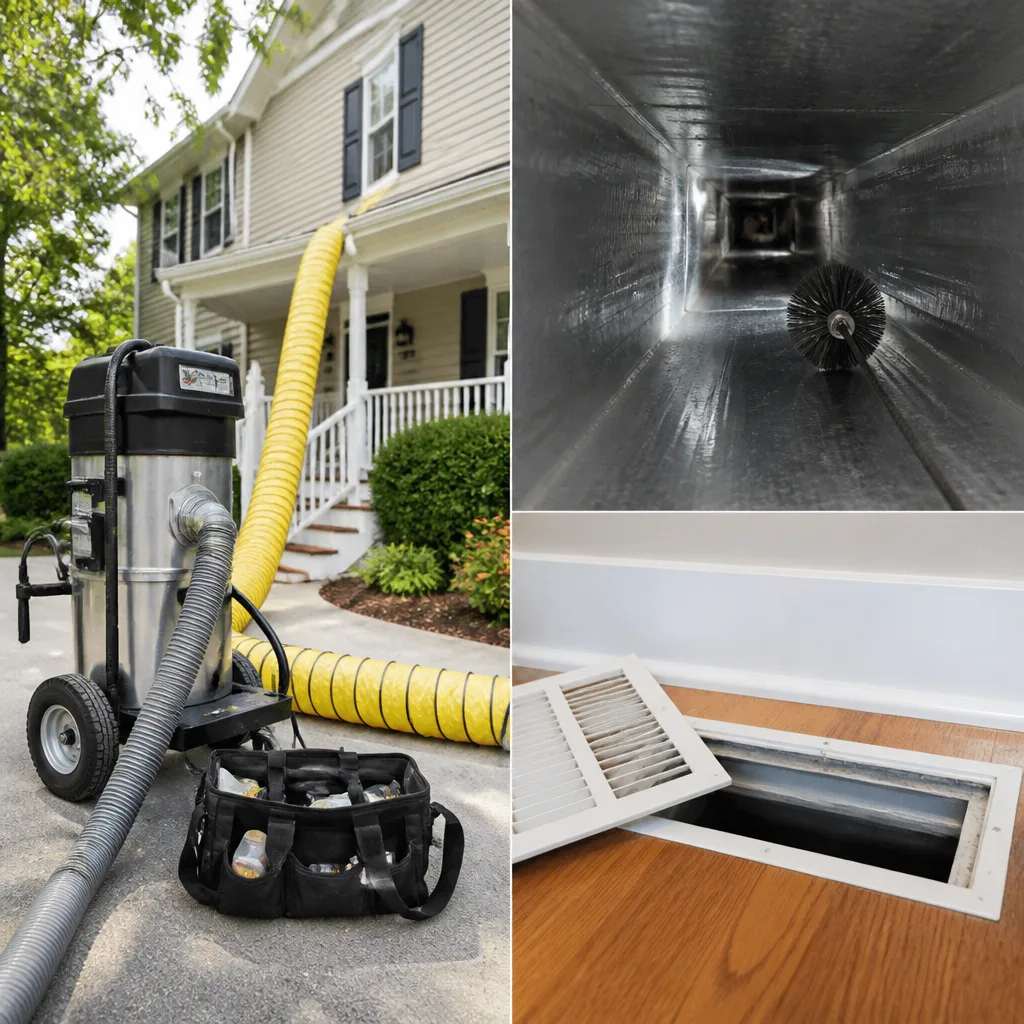
 Whole-home duct cleaning
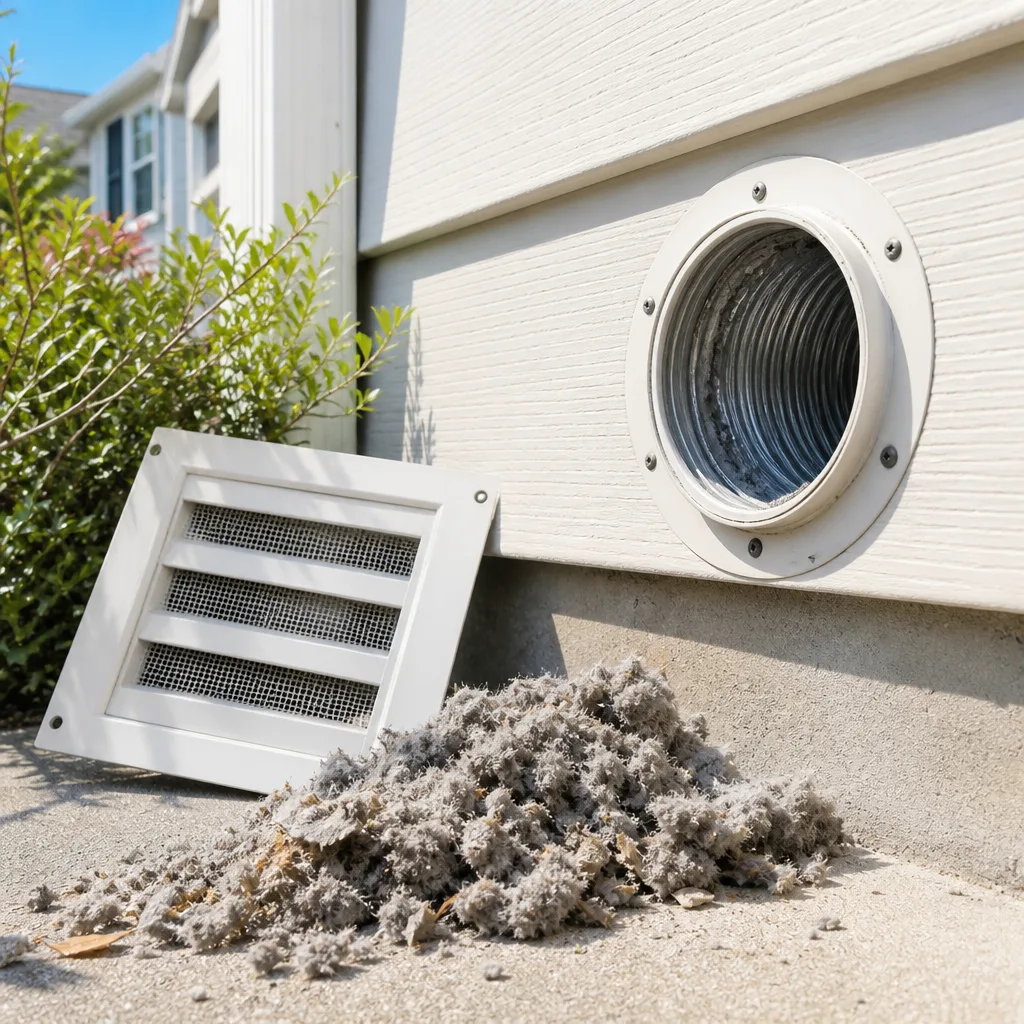 Dryer vent cleaning
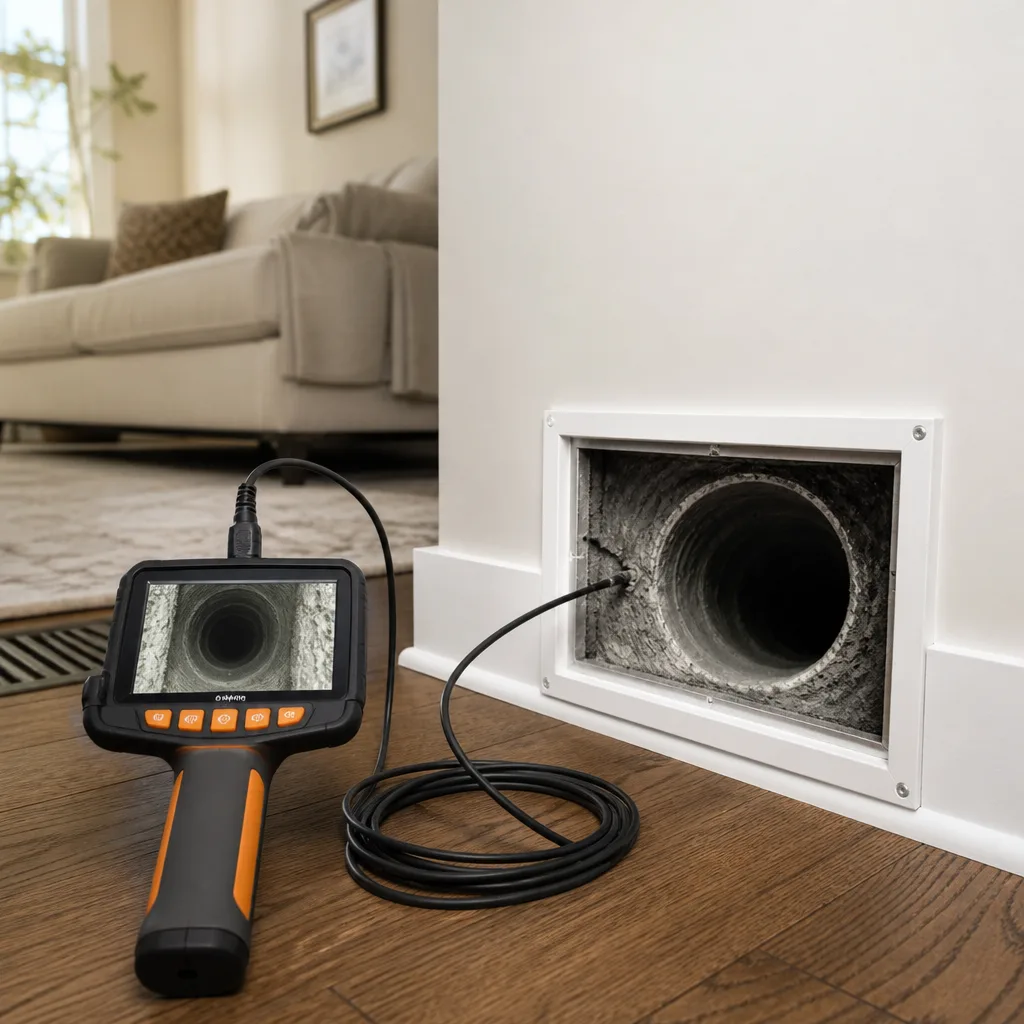 Camera inspection
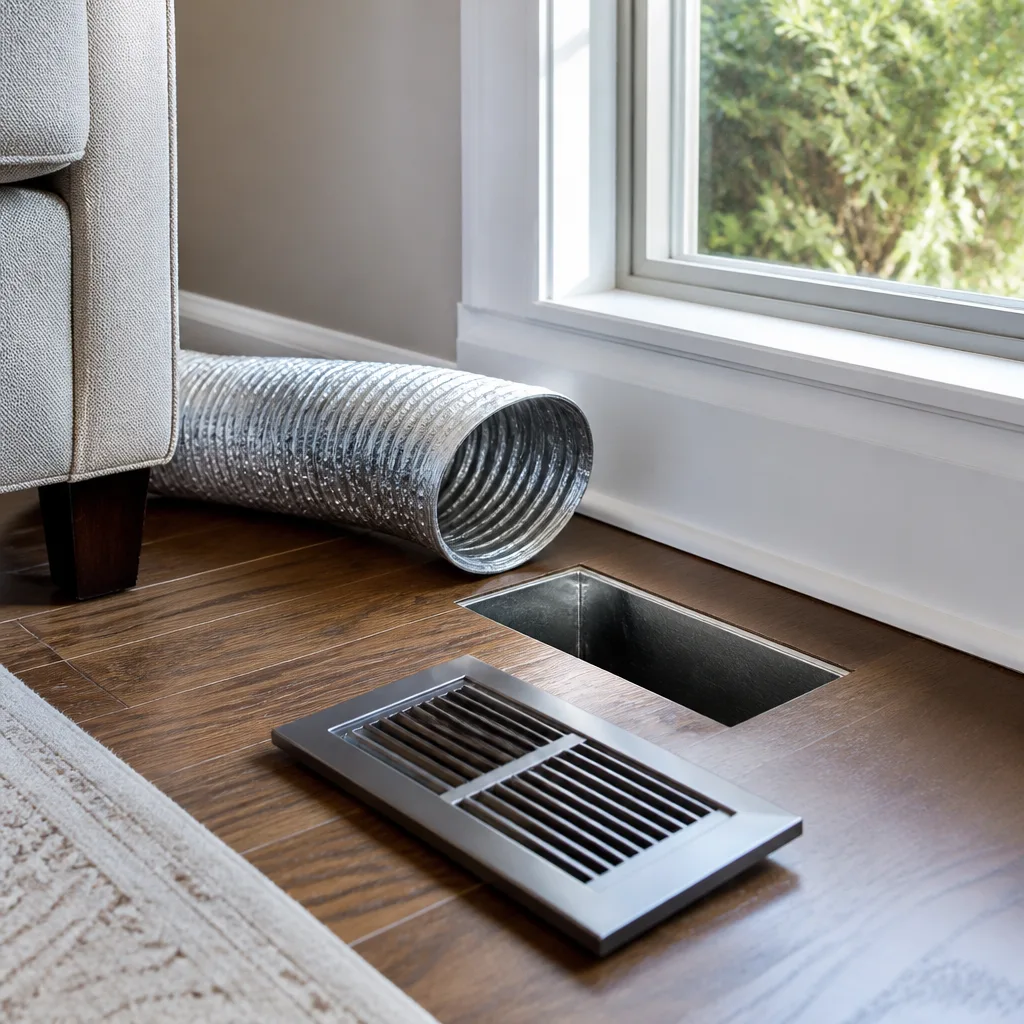 Sanitizing & deodorizing
Whole-system duct and dryer vent check with before-and-after photos - you see exactly what came out of your vents
That "$99 whole-house special" is a bait ad - the real number appears once they are in your hallway, or the "clean" is a shop-vac at the register. We photograph the inside of your ducts before and after instead.
Nikro Vent Sanitizing: The Atlanta Owner’s Guide
If your Nikro vent sanitizing system has stopped producing sanitizer or is cycling oddly, we carry direct-replacement components and compatible aftermarket parts for most Nikro models, and most Atlanta homeowners pay between $165 and $310 installed. We keep the common failure points on our trucks, so a service call usually ends with the part swapped the same visit. You’ll typically discover the problem the same way our clients do: the sanitizer reservoir stops drawing down, the air coming out of the vents smells more like dust than deodorizer, or the unit runs but you never hear the atomizer kick in.
Which Nikro Models This Applies To
Most Nikro vent sanitizing setups fall into two buckets: integrated units built into Nikro negative-air machines (we see these on air duct cleaning rigs) and standalone fogger-style sanitizers used for whole-home vent sanitizing after a cleaning. The part that fails first is almost always the atomizer or the pump diaphragm, depending on whether your unit uses an ultrasonic plate or a liquid-line pump. To confirm which part your unit needs, check the data plate on the back or underside of the housing. Nikro stamps a series code there, and the shape of the reservoir cap tells you the generation: older models use a round threaded cap, newer units use a quarter-turn bayonet cap. That’s a compatibility gotcha worth knowing before you order anything online. If in doubt, snap a photo of the data plate and we can match it from the truck.
On the OEM-versus-aftermarket question: we start with OEM Nikro parts because the atomizer plate tolerance is tight, and a cheap aftermarket plate will produce droplets too large to stay airborne, which means the sanitizer pools in the duct instead of fogging it. That said, there are two aftermarket diaphragm pumps we’ve used for years, including one that outlasts the OEM on Atlanta’s hard water by a noticeable margin. If your unit runs on city water from any Atlanta municipality, expect mineral buildup to shorten the diaphragm’s life regardless of which brand you choose.
Styles & brands we work with
Signs Your Nikro Vent Sanitizing Is Failing
- Sanitizer level never drops. The reservoir stays full after multiple cycles. That points to a failed pump diaphragm or a clogged pickup tube. If the motor is running but nothing is drawing, the diaphragm has almost certainly torn.
- Weak or no visible fog. The unit runs but the mist is thin or absent. On ultrasonic units, this is classic atomizer plate fatigue. The plate vibrates millions of times per use and eventually stops producing the fine droplet size needed for vent fogging.
- Intermittent operation. The unit works, then stops, then starts again. Most often a thermal cutoff on a failing pump motor, especially after heavy use in Atlanta’s summer attic heat, where temps above 120°F push motors past their comfort zone.
- Sanitizer leaking from the housing. A cracked reservoir or a failed gasket, usually found after someone tightened the cap too hard. Nikro reservoirs are ABS plastic; the threads crack before the cap strips.
- Electrical smell or tripped breaker. The unit is drawing too much current, often from a seized pump or moisture inside the control housing. Stop using it and have it looked at before a failed component takes out the control board.
See the difference
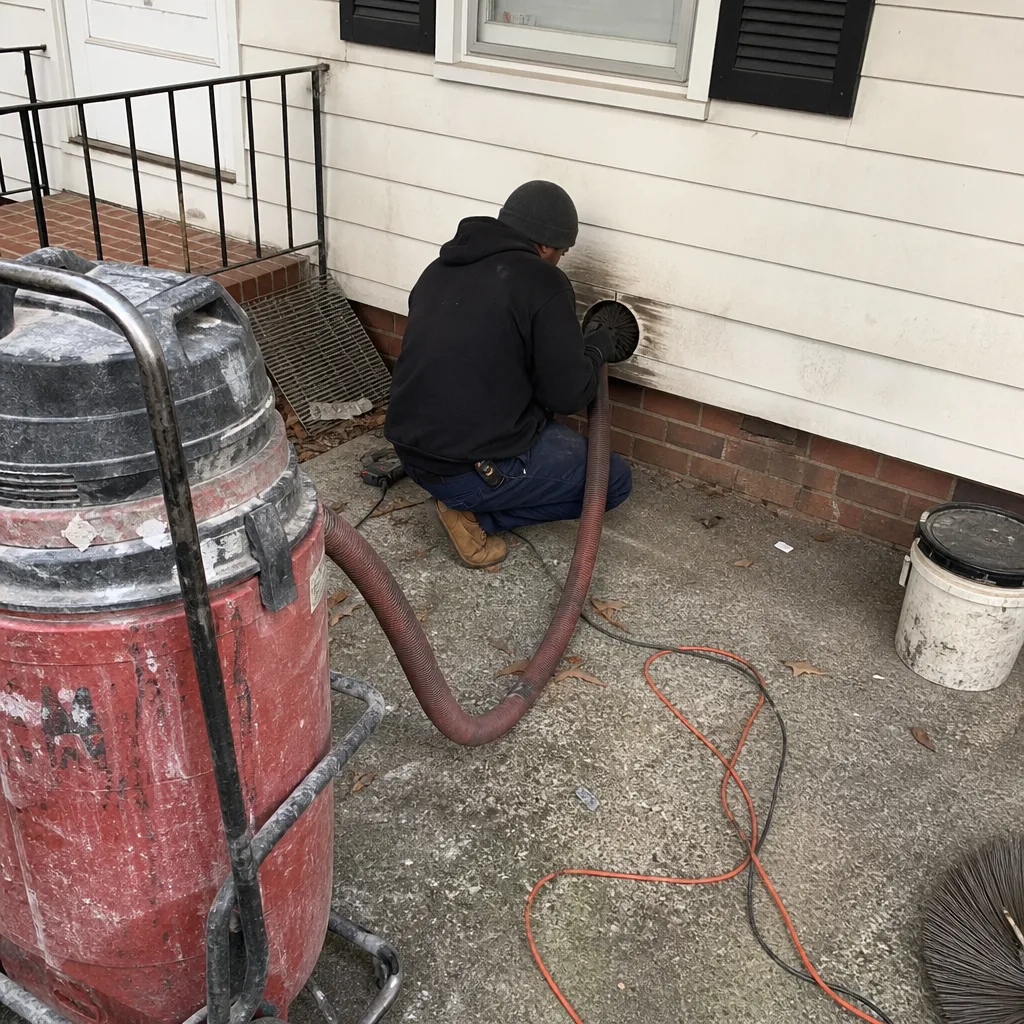 Before
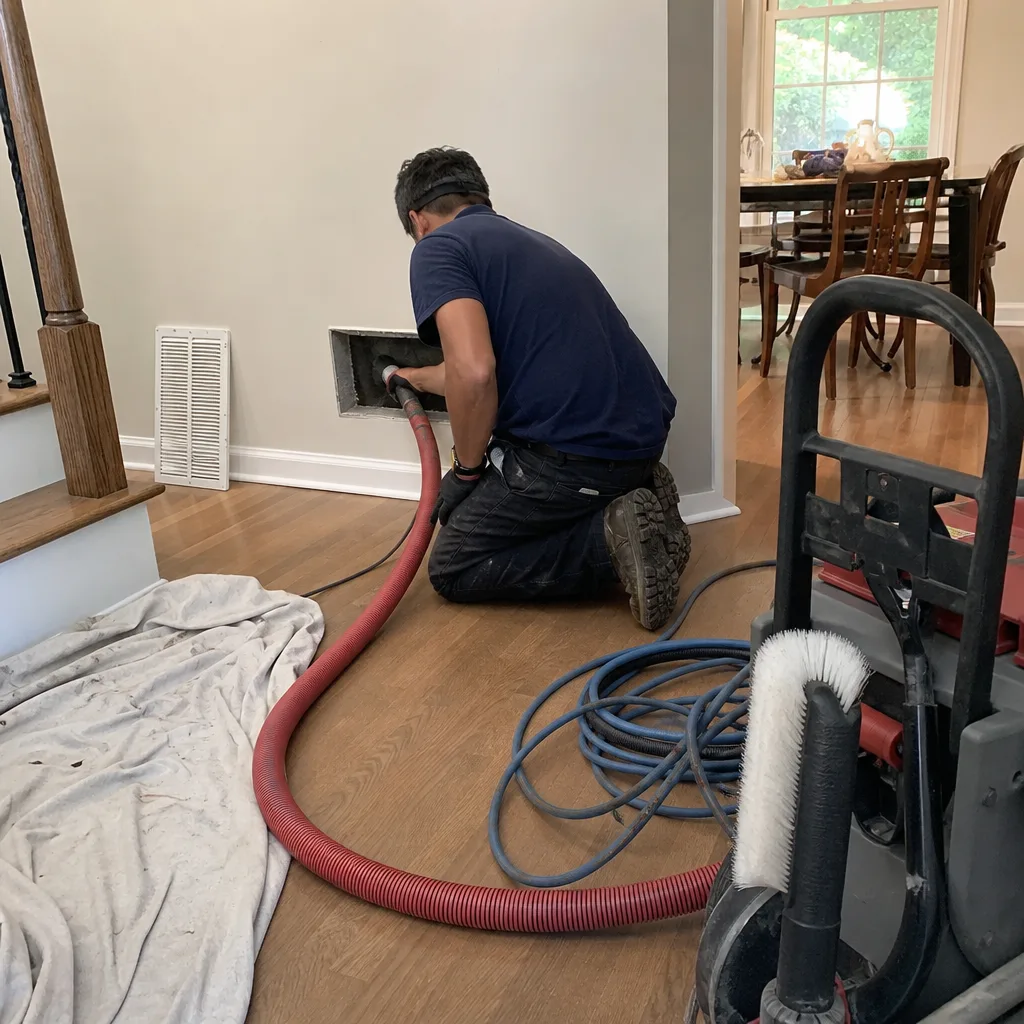 After
After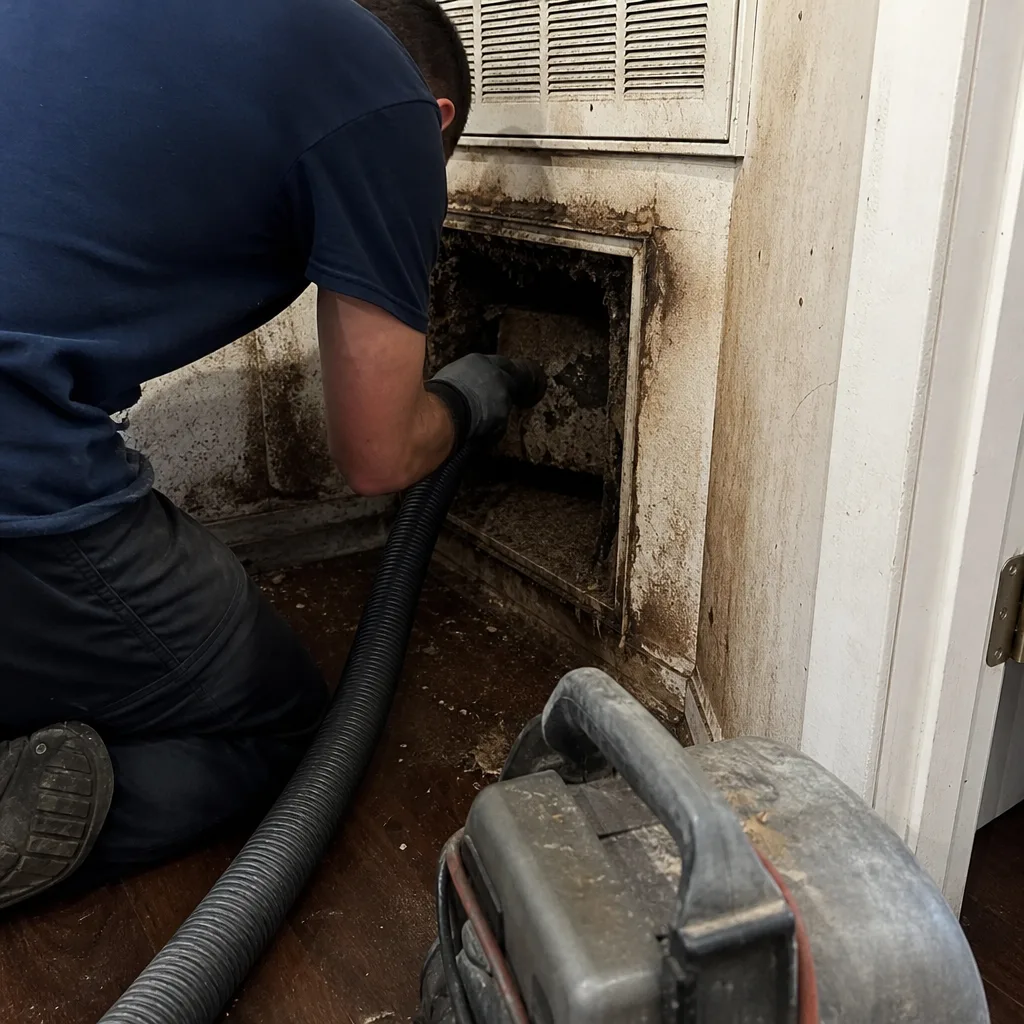 Before
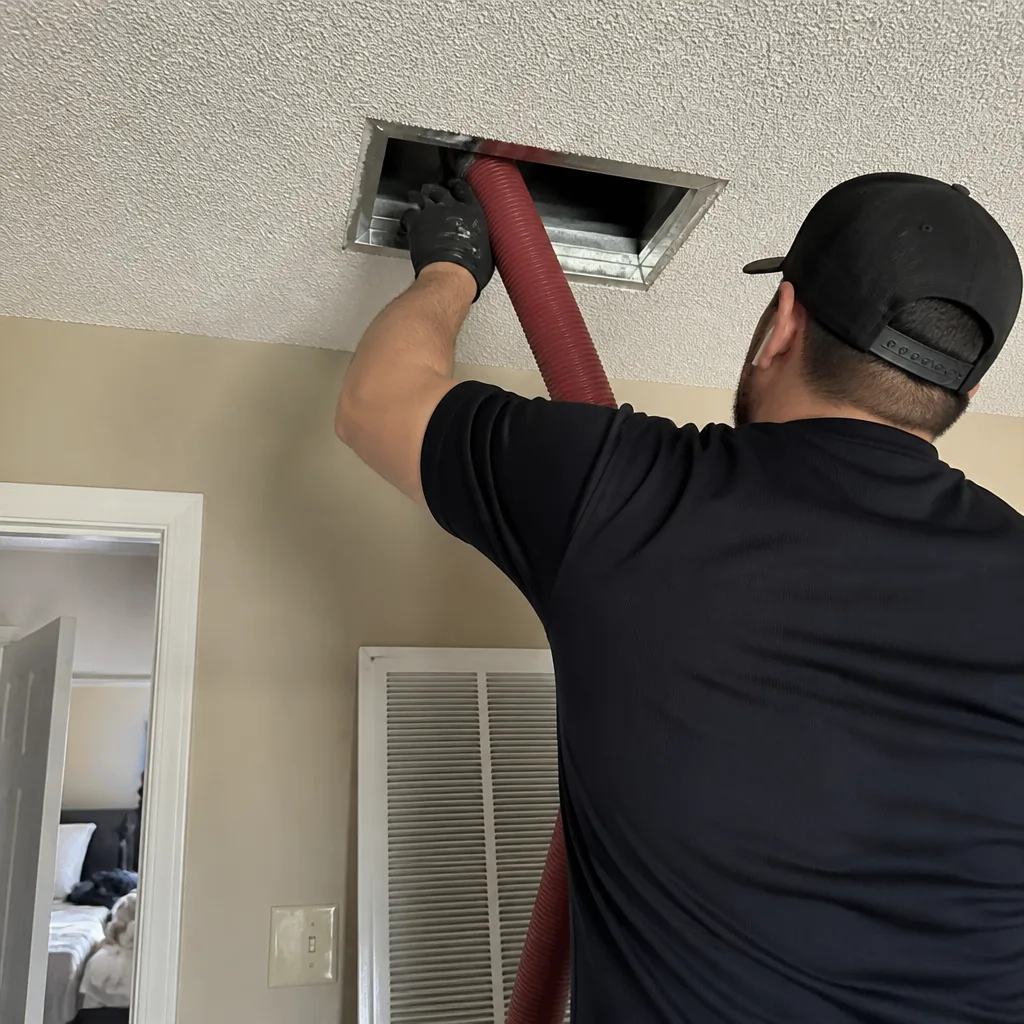 After
After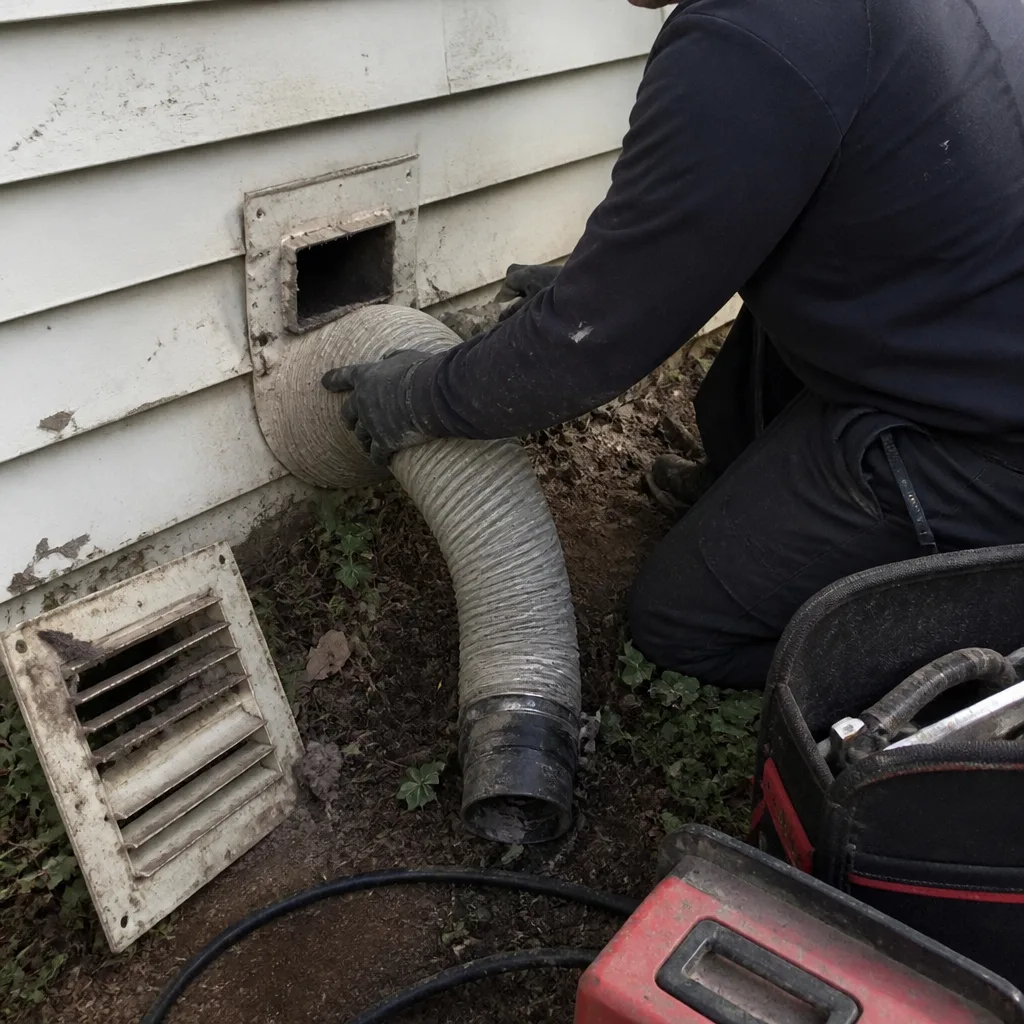 Before
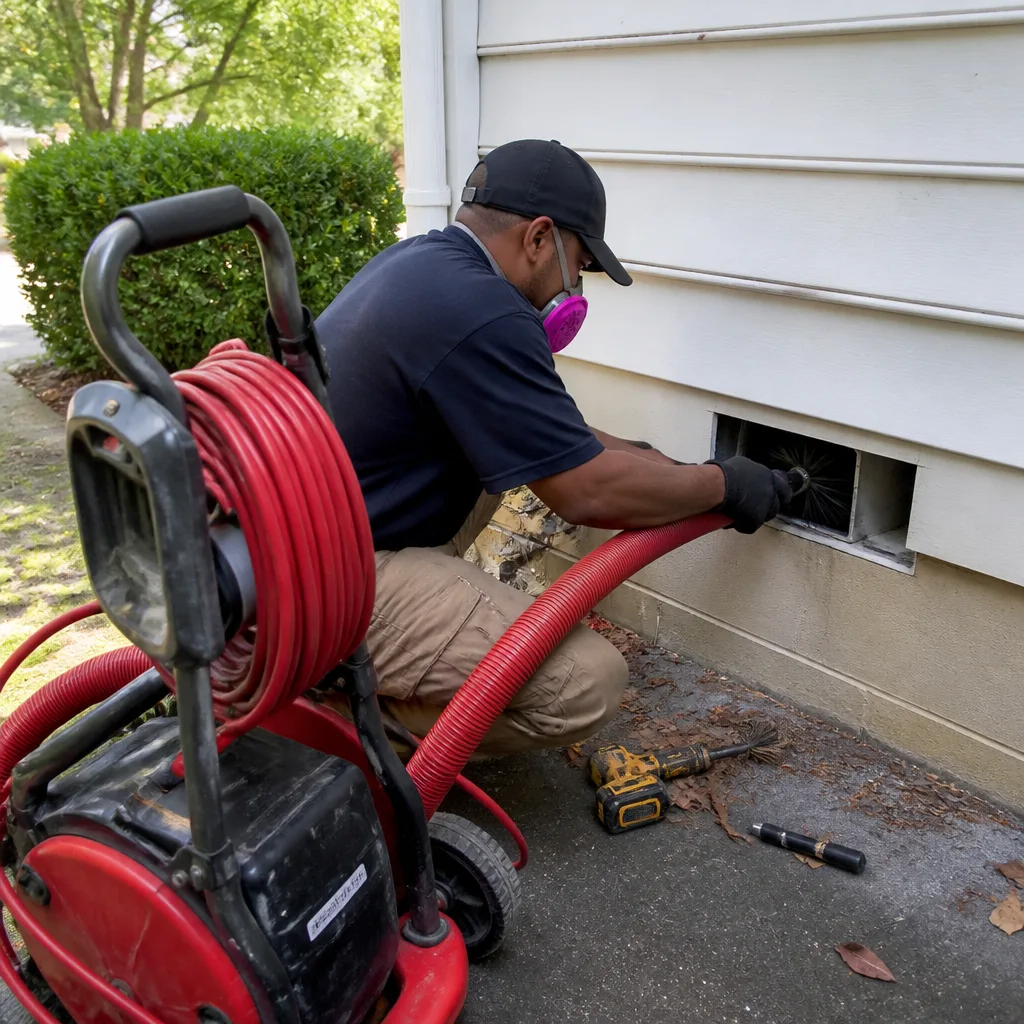 After
AfterReplacement Cost & What’s Included
For Atlanta homeowners, expect to pay between $165 and $310 for an installed Nikro vent sanitizing component replacement. The range breaks down roughly like this:
- Diaphragm pump replacement: $165 – $210 installed, including the part, labor, and a function test.
- Ultrasonic atomizer plate: $185 – $275 installed, depending on whether the plate is available as a standalone component or requires the full atomizer module.
- Reservoir and gasket set: $180 – $240 installed, including draining and properly disposing of any remaining sanitizer.
- Control board replacement: $260 – $310 installed, which is cheaper than replacing the whole unit if the housing and atomizer are still solid.
The price you get from Kestrel Air Duct Atlanta is written before we touch a single screw, and the work carries our 365-Day Done Right Promise. If the part fails within the guarantee period, we come back and make it right at no charge. That’s the Kingswell Way: say the price, do the work, put the warranty in writing.
DIY or Call Us?
You can safely check a few things without opening the unit: confirm the reservoir is filled to the line, check that the power switch is actually on, and look at the cord for damage. Beyond that, this is one place where DIY goes sideways fast. A Nikro vent sanitizer holds liquid sanitizer inside an electrical housing, and the moment you open the case you’re dealing with both 120-volt wiring and a chemical reservoir in the same hand. Slipping a screwdriver into the wrong connection or cracking the atomizer plate is a $300 mistake on a $200 repair. If the unit is leaking, stop using it immediately and unplug it. Then call us at (470) 378-1006 and describe what you’re seeing. Dale Whitmore has rebuilt enough of these units around Atlanta to know within a minute whether it’s the pump, the plate, or the board.
FAQs
A Nikro vent sanitizing unit should give you 4 to 7 years of regular use before the first major component fails. Atlanta’s heat and hard water shorten that window, particularly for pump diaphragms and mineral-crusted atomizer plates. If you’re past year five and seeing weak fog, it’s usually more economical to replace the failing part than to keep cleaning it. Call (470) 378-1006 for a straight answer on your specific unit.
Occasionally a clogged pickup tube or a corroded electrical connection can be cleaned or tightened, but torn diaphragms, fatigued atomizer plates, and cracked reservoirs are replacement items, not repair items. The internal stress on those components is mechanical; no amount of cleaning brings back a rubber diaphragm that’s lost its flexibility or a ceramic plate that’s lost its resonant frequency. We’ll tell you which situation you have when we inspect it.
Most Nikro vent sanitizing part swaps run 45 to 90 minutes on site, depending on how much sanitizer residue needs to be cleaned out of the housing before the new part goes in. We carry the common components on the truck, so the work is usually done in one visit. If your unit needs a part we don’t have, we order it and schedule the return within the week.
We stock the most common Nikro failure components on our service vehicles: diaphragm pumps, atomizer plates, gasket sets, and reservoirs. This isn’t a box-store part you can grab off a shelf in Atlanta, and waiting on a ground-shipped order from an online supplier means your vents are sitting without sanitizing for days or weeks. If your model uses a niche part, we source it from our supplier network and handle the install. We’re an independent Atlanta service provider, not affiliated with Nikro, which means we can also recommend quality aftermarket equivalents when they outperform the OEM part for your situation. The same goes for parts on Lennox, Trane, and Carrier systems we service.
If your Nikro unit is down and you want it running again without guessing at a parts diagram, call (470) 378-1006. Tell us the model and what it’s doing or not doing. We’ll give you a straight price range over the phone and a written price before any work starts. Clean ducts, plain talk, everything in writing.
Written by Dale Whitmore, Owner, Kestrel Air Duct Atlanta at Kestrel Air Duct Atlanta, serving Atlanta and nearby areas.