
Last updated October 15, 2026
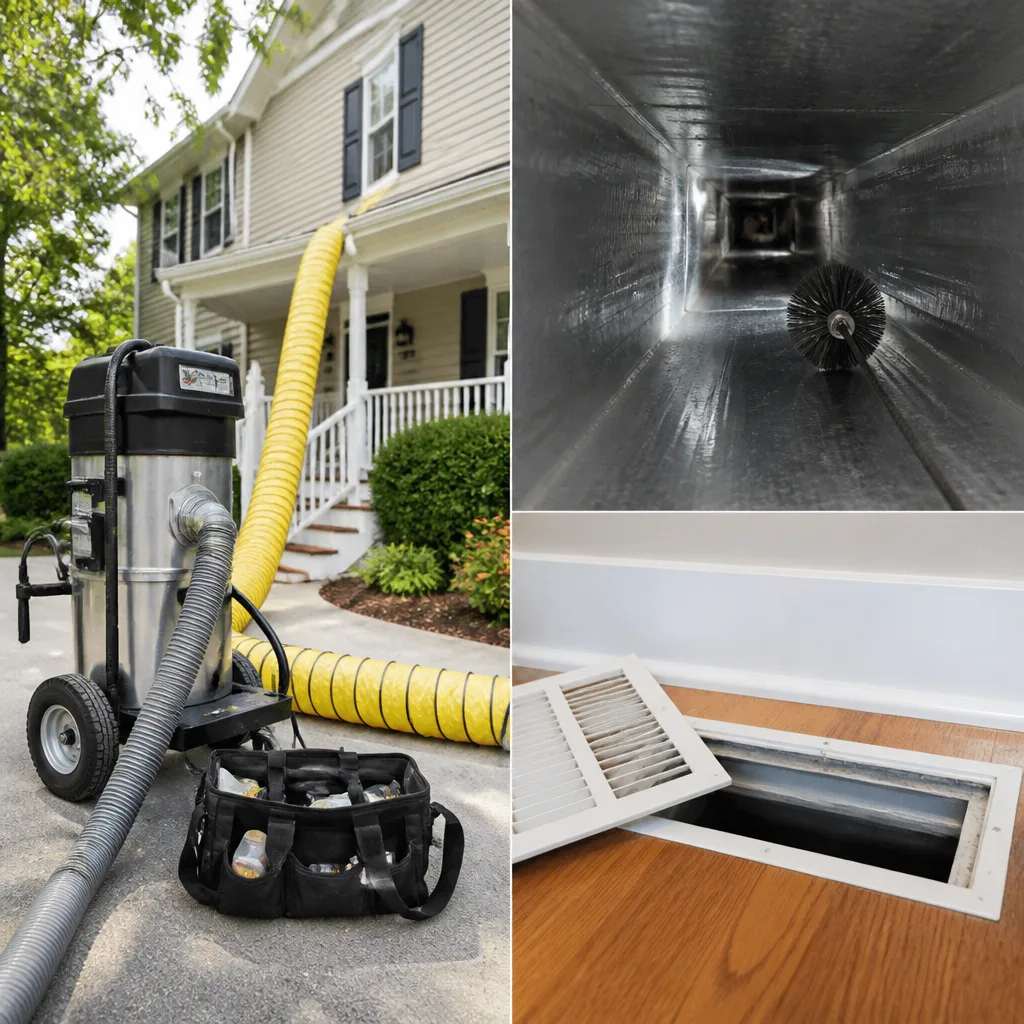 Whole-home duct cleaning
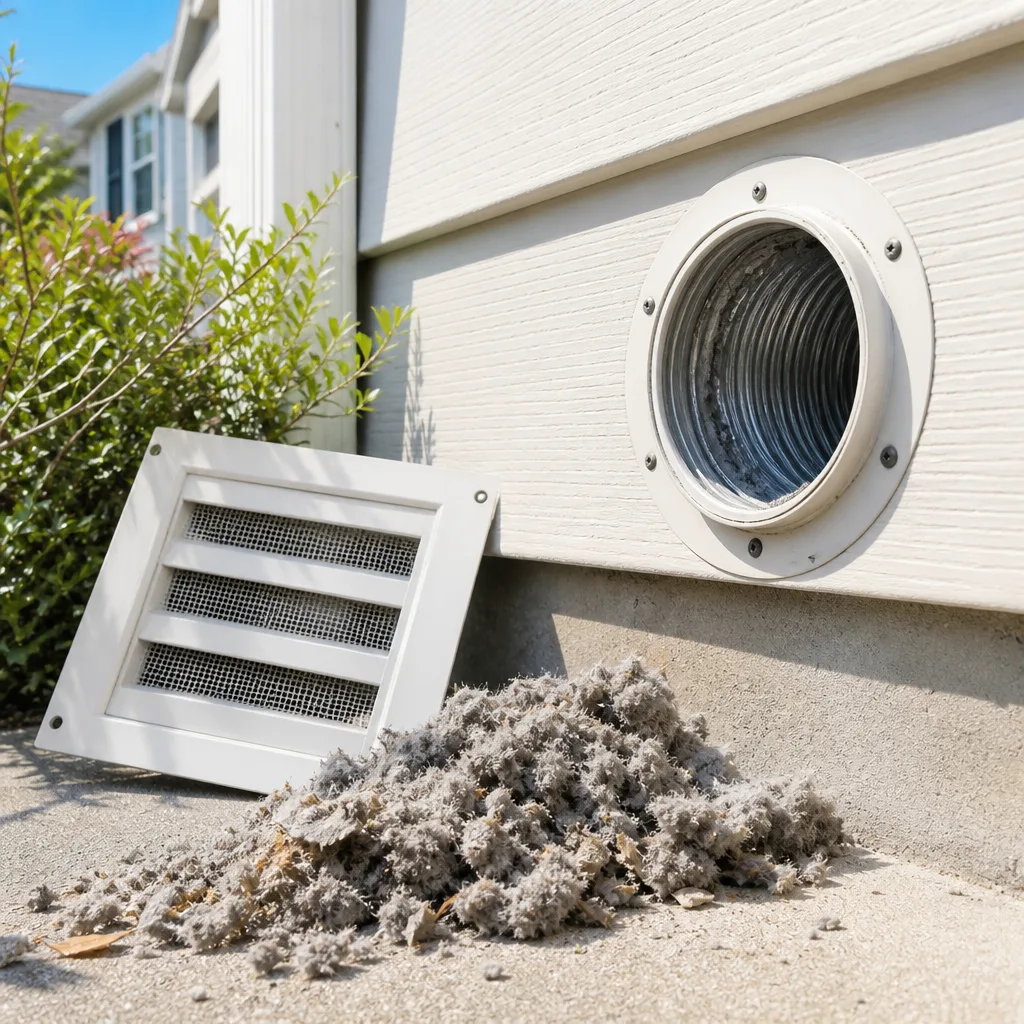 Dryer vent cleaning
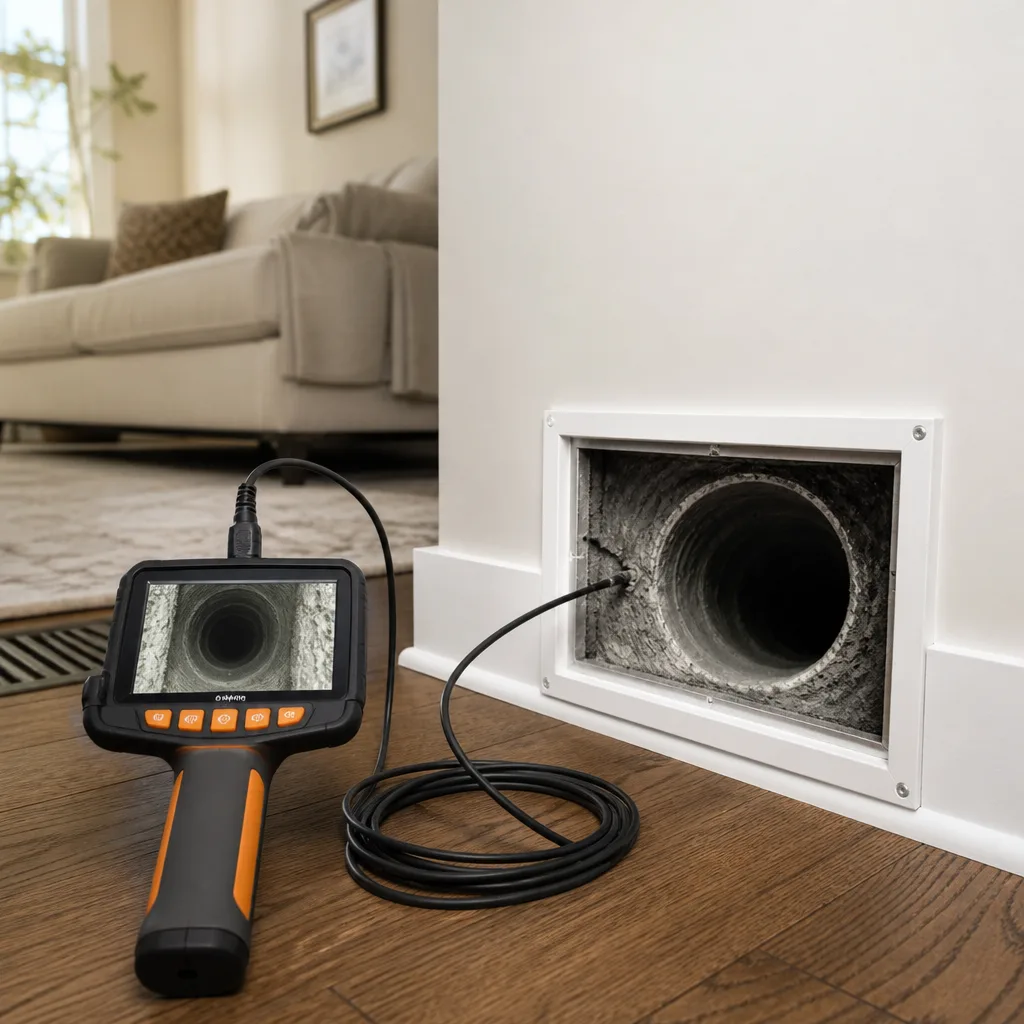 Camera inspection
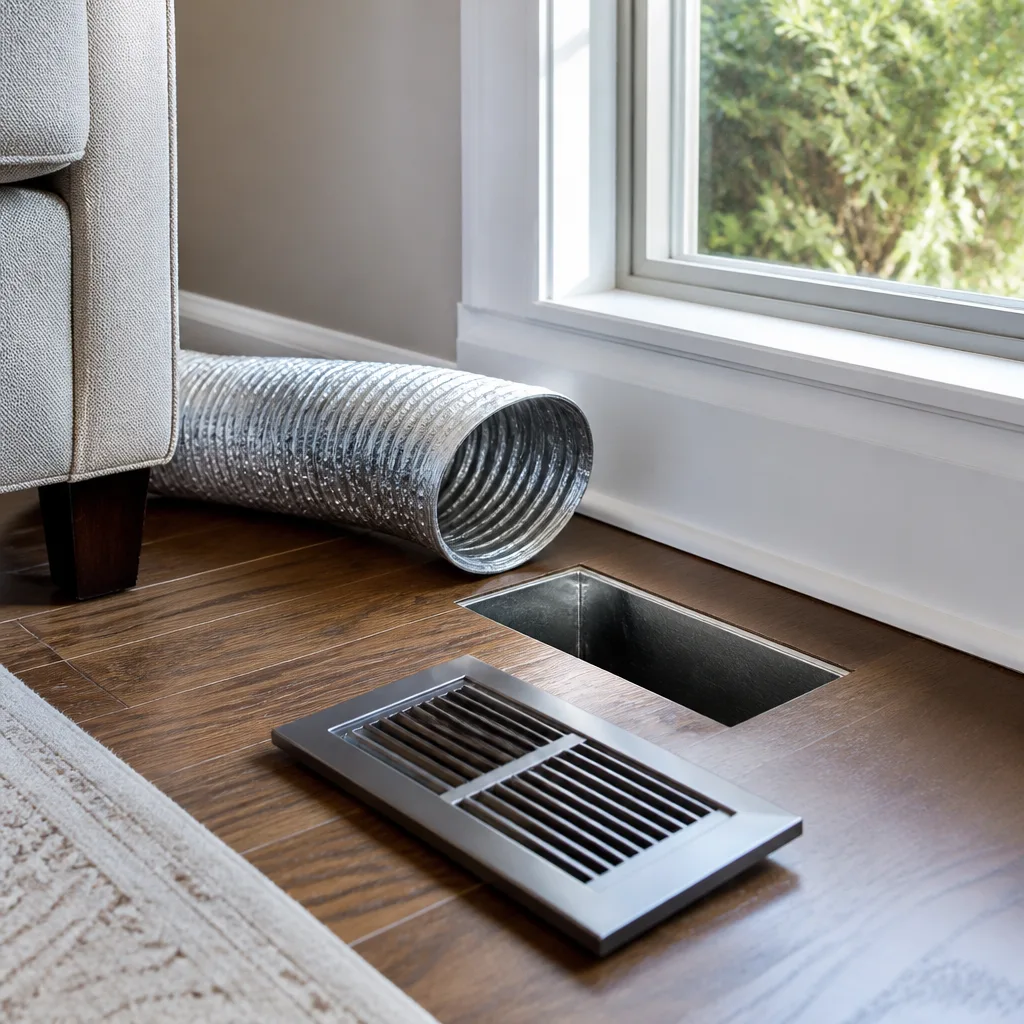 Sanitizing & deodorizing
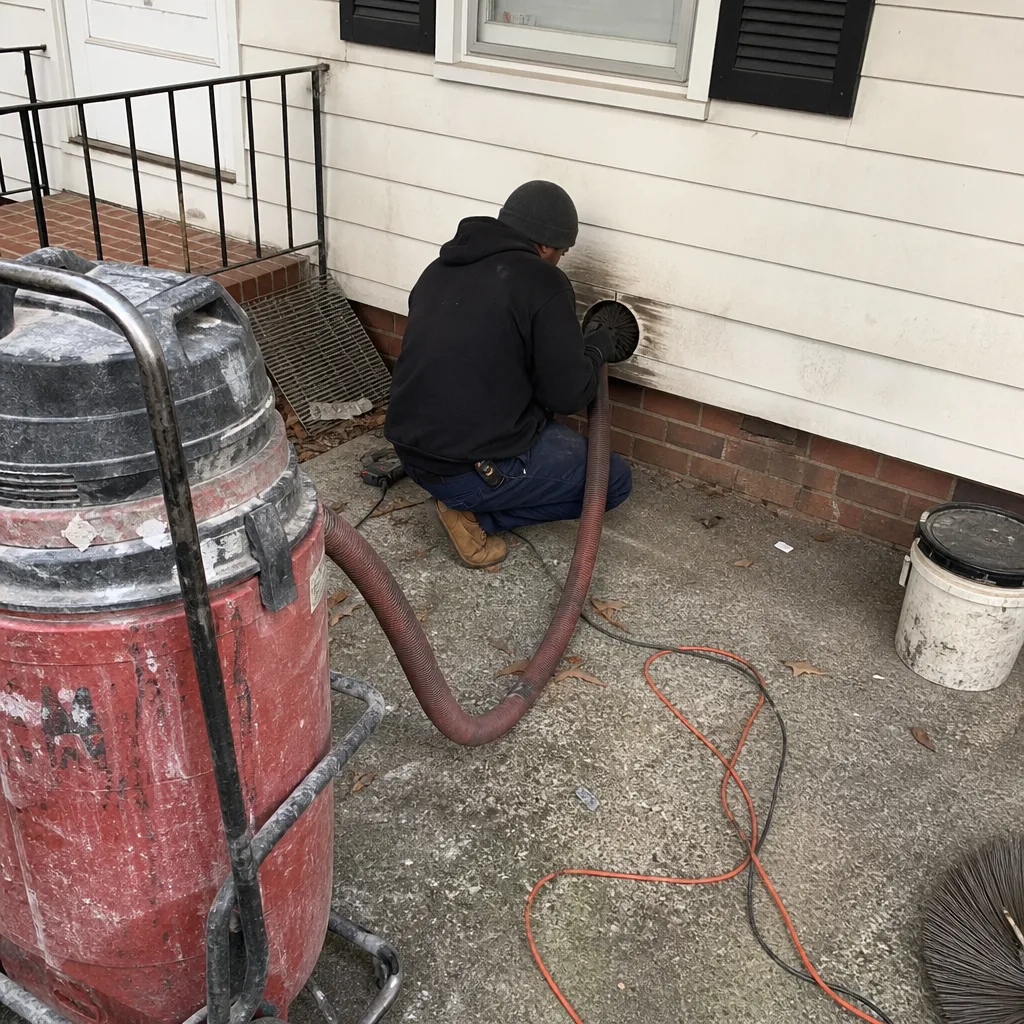
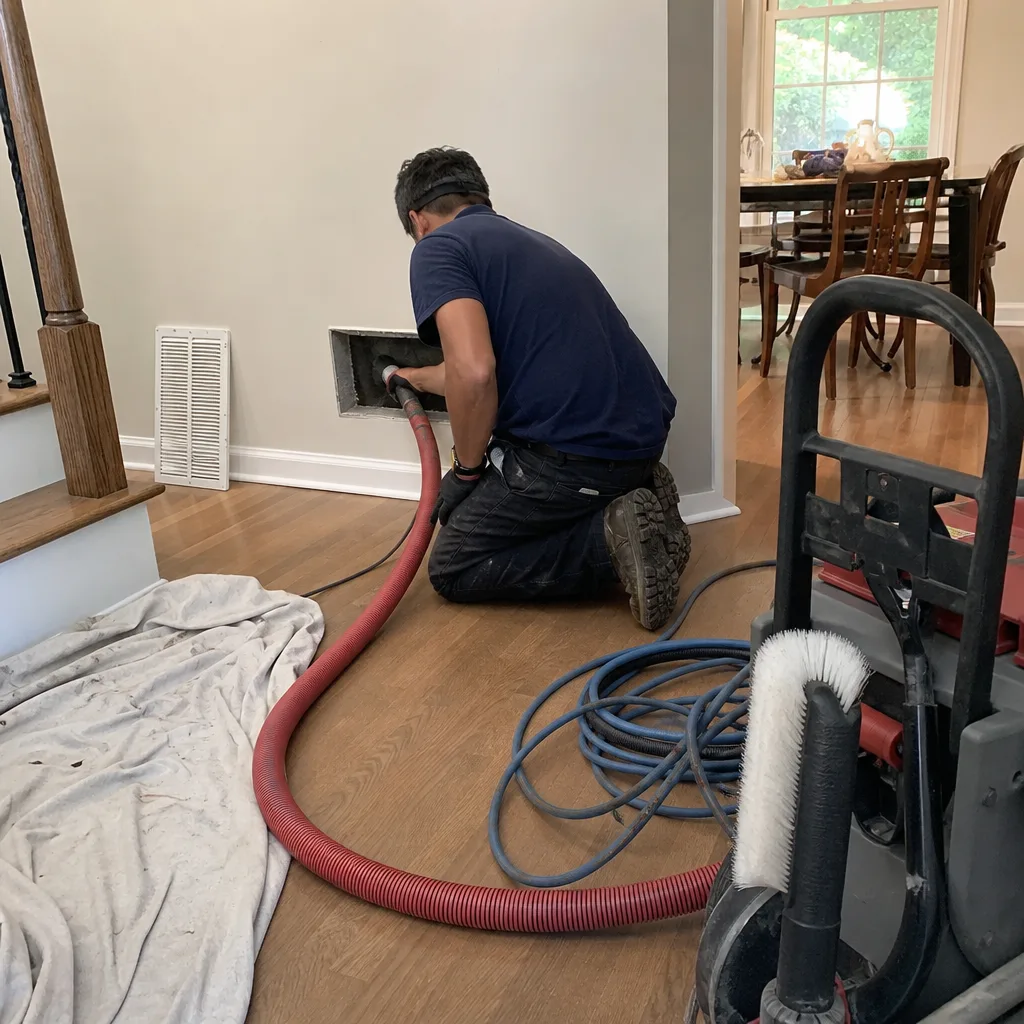
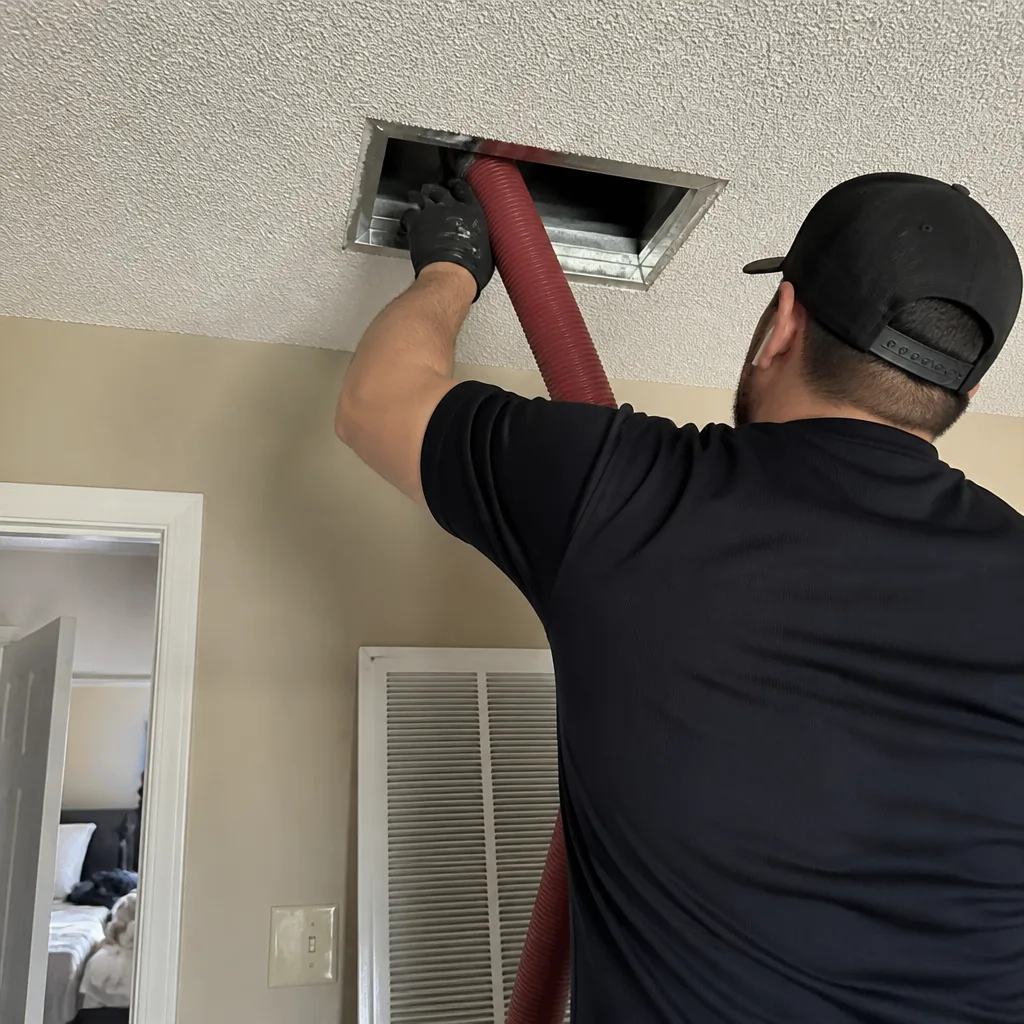
Whole-system duct and dryer vent check with before-and-after photos - you see exactly what came out of your vents
That "$99 whole-house special" is a bait ad - the real number appears once they are in your hallway, or the "clean" is a shop-vac at the register. We photograph the inside of your ducts before and after instead.
Seasonal Air Duct Cleaning Care for Atlanta: Year-Round Homeowner’s Guide
Atlanta’s tree pollen season begins in February, six weeks before most homeowners think spring has started. That means your HVAC system is already pulling peak pollen into the ductwork while you’re still running the heat. By the time you switch to cooling in April, that pollen has settled into every bend and joint of your ducts, waiting to be blown back into your living room the first warm day. This guide maps duct care to Atlanta’s actual weather calendar, so you can act at the moments that matter most rather than on an arbitrary schedule. For Air Duct Cleaning Maintenance Checklist for Atlanta Homeowners and other detailed guidance, see our resources below.
Styles & brands we work with
Quick Answer
Seasonal our Air Duct Cleaning services in Atlanta works best on a two-year cycle tied to the city’s weather: inspect and clean in late winter before the heat-to-cool switchover, watch for moisture and mold signs through the humid summer, clean again after fall renovation projects, and check filters every 30 days during the dry heating season. Skipping the pre-spring window is the most common and costliest mistake, because Atlanta’s February pollen load is already massive by the time you notice it.
Table of Contents
- February – April: The Heat-to-Cool Switchover and Atlanta’s Pollen Load
- May – August: Humidity, Mold Risk, and What Appears at the Register First
- September – November: Renovation Season and Why Timing Matters
- December – January: Dry Air, Concentrated Particulates, and Filter Discipline
- How to Build a Two-Year Duct Cleaning Cycle That Works
- Warning Signs at the Register: A Room-by-Room Checklist
- What Professional Equipment Actually Does: Plain-Language Explanations
- Common Mistakes to Avoid
- When to Call a Professional
- Frequently Asked Questions
- The Bottom Line
February – April: The Heat-to-Cool Switchover and Atlanta’s Pollen Load
Atlanta’s pollen season doesn’t start in March. It starts in February, when alder, elm, and cedar trees release their first rounds. By mid-March, pine pollen is coating cars, porch furniture, and the coils of your outdoor AC unit. By April, oak pollen arrives in waves. All of that pollen enters your home through open doors, on clothing, and most importantly, through the HVAC system’s return air intake.
The heat-to-cool switchover is the highest-impact inspection moment of the year in Atlanta. Before you flip the thermostat from heat to cool, the duct system has been running warm, dry air for months. Pollen that entered during late winter has been baked onto duct walls. When you switch to cooling, the system introduces condensation and cooler air, which loosens that debris and sends it into your living space. This is why so many Atlanta homes have a visible dust bloom the first week of air conditioning.
What to Check Before Flipping Modes
- Remove and inspect the return-air filter. If it’s gray or yellow after 30 days, that’s Atlanta pollen, and it means the duct system downstream has been filtering the same load.
- Look at the supply registers. Use a flashlight. If you see a fine yellow film on the register vanes, that’s pollen that has already passed through the system.
- Listen for a change in airflow sound. A high-pitched whistle or reduced airflow after switching modes often means debris has shifted inside the ductwork.
- Check the outdoor AC unit. Pine pollen cakes onto condenser coils and reduces cooling efficiency. A garden-hose rinse (with the unit off) keeps that load from compounding.
We recommend scheduling a professional air duct cleaning in Atlanta during late February or early March, before the switchover. That single window removes the winter accumulation before cooling season begins, and it’s the step that makes the most noticeable difference in how the air feels by May.
May – August: Humidity, Mold Risk, and What Appears at the Register First
Atlanta’s summer humidity regularly sits above 60% for weeks at a stretch. Inside an uncleaned duct system, that’s the threshold where organic debris such as pollen, pet dander, and dust becomes a medium for microbial growth. The ductwork in most Atlanta homes runs through attics and crawlspaces, where temperatures swing widely. Warm, humid air meeting cool duct surfaces creates condensation. Condensation landing on dust layers inside the duct is the exact recipe for mold.
Mold inside a duct system doesn’t announce itself with a visible spot on the living room wall. It appears at the register first. The supply register is the point where conditioned air leaves the duct and enters your breathing space, and that’s where the earliest warning signs concentrate.
Warning Signs at the Register During Humid Months
- Musty or earthy smell when the AC first cycles on. This is the most common early indicator. The odor is strongest for the first 30 seconds of airflow.
- Dark speckling on the register vanes or surrounding ceiling. This is often mistaken for dust, but dust doesn’t streak. Mold growth in a high-moisture register area leaves a characteristic dot pattern.
- Visible condensation on the register face. Some condensation is normal in very humid weather, but persistent moisture on the metal face of a supply register suggests the air leaving the duct is colder than the surrounding room, which can mean restricted airflow inside the duct.
- Family members experiencing more sneezing or sinus pressure specifically at home. If symptoms improve at work or while traveling, the air inside the home is the variable.
During sustained summer humidity, run the AC fan in “auto” mode rather than “on.” Continuous fan mode keeps air moving across a wet coil after the compressor stops, which reintroduces moisture into the duct system. Auto mode lets the coil drain between cycles. If musty register odor persists, the duct system itself needs professional attention. A technician using a negative-pressure extraction unit such as a Nikro system can remove the damp, contaminated layer from the duct walls. The alternative is waiting until the smell becomes constant, at which point remediation is a larger and more expensive job.
September – November: Renovation Season and Why Timing Matters
Atlanta’s fall is short and dry, which makes it the busiest season for home renovation. Floor sanding, drywall repair, paint prep, and kitchen or bath remodels all generate fine dust. That dust doesn’t stay in the room where the work happens. The HVAC system pulls it into the return air, distributes it through the duct trunk lines, and deposits it in every room of the house. The same is true for any contractor work in the attic or crawlspace near the duct runs.
The sequencing matters more than people think. Cleaning ducts before a renovation means paying to clean a system that will be contaminated again the moment the sander starts. Cleaning after the work is done removes the renovation dust along with whatever accumulation was already there. The correct order is: complete the renovation, do a thorough surface clean of the work area, replace the HVAC filter, and then schedule duct cleaning. That final step removes the dust that surface cleaning can’t reach.
What to Do After a Renovation, In Order
- Wait until all sanding, cutting, and drywall work is fully complete. Even one more day of sanding after a cleaning undoes the work.
- Vacuum and wipe all surfaces in the renovated room. Get the loose dust off floors, counters, and window sills first.
- Replace the HVAC return filter with a fresh pleated filter. Use a MERV 8 or higher rating for post-renovation dust capture.
- Schedule professional duct cleaning. This should happen within two weeks of project completion, while the renovation dust is still loose and extractable.
- Run the system for 30 minutes after cleaning. This allows the system to stabilize and carries any final loosened particles to the filter.
Fall is also the right time to inspect and clean the dryer vent. The dryer vent cleaning service in Atlanta that makes sense in autumn extends beyond the lint trap: a clogged dryer vent is a fire hazard, and fall is when dryer use ramps up with heavier clothing and bedding. A vent that hasn’t been cleaned in two years or more should be addressed before the winter laundry load begins.
December – January: Dry Air, Concentrated Particulates, and Filter Discipline
Atlanta’s winter air is dry, and when outdoor humidity falls, indoor air loses moisture because the furnace is pulling in cold, dry air and heating it. Dry air holds fine particulates in suspension longer than humid air does. Dust, pollen fragments, pet dander, and microscopic textile fibers stay airborne instead of settling. That means every time the furnace cycles on, the duct system delivers a concentrated dose of whatever has accumulated inside it.
Heating season is also when Atlanta homes are sealed up tight. Windows stay closed, doors stay shut, and the HVAC system is the only significant source of air exchange. If the ducts carry accumulated debris, the occupants breathe a higher proportion of that debris in winter than in any other season. This is not an exaggeration; we have cleaned duct systems in Atlanta in January that were delivering visibly dust-laden air, and the homeowners had simply stopped noticing because the change had been gradual since October.
Why Filters Should Be Checked Every 30 Days During Heating Season
- Furnace fans run longer in winter. Longer run times mean the filter loads faster.
- Dry air keeps particulates suspended longer. A filter that would last 60 days in humid summer air may load fully in 30 days of dry winter air.
- Static pressure rises as filters load. A clogged filter makes the blower work harder, which increases energy use and shortens blower motor life.
- Filter loading is also a diagnostic. If a brand-new filter shows significant dust in two weeks, the duct system is shedding accumulated debris, and a professional cleaning should be scheduled.
Use a pleated filter with a MERV rating between 8 and 11. Anything higher than MERV 13 for a standard residential system will restrict airflow too much and can cause the coil to freeze. We also recommend considering a whole-house filtration product such as Aprilaire or Guardsman if anyone in the home has allergies or asthma, because these systems capture more of the fine particulate load that furnace-cycle air stirs up. A filter change is a maintenance task; duct cleaning is a corrective one. Both matter in Atlanta’s winter, but they do different jobs.
How to Build a Two-Year Duct Cleaning Cycle That Works
Most Atlanta homes do not need professional duct cleaning every year. A properly cleaned system in a home with good filter discipline and no major renovation activity can go roughly two years between cleanings. The mistake homeowners make is scheduling the second cleaning on an arbitrary anniversary date rather than on the seasonal moments that actually load the system.
The two-year cycle below aligns professional cleanings with Atlanta’s highest-impact seasonal moments. It assumes a typical single-family home of 1,500 to 3,000 square feet with pets and no smokers. Homes with multiple pets, a resident with respiratory illness, or a recent renovation should move to a one-year cycle.
Year One
- February – March: Professional duct cleaning before the heat-to-cool switchover. This removes the winter and pollen load at the single most important moment of the Atlanta year.
- April – October: Replace filters every 60 days, or every 30 days during peak pollen and peak humidity. Watch register faces for moisture or speckling through the summer.
- November: If renovation work occurred, schedule a second professional cleaning within two weeks of project completion. If no renovation occurred, replace the filter and move into winter maintenance.
Year Two
- February – March: Replace filters every 30 days during peak pollen. Do a register inspection with a flashlight. If you see pollen film or smell must, move the professional cleaning earlier in the cycle.
- April – October: Maintain filter discipline. Run the fan in “auto” mode during humid months.
- November – December: Replace filters every 30 days during heating season. Inspect the dryer vent and schedule dryer vent cleaning if it has been two years.
- End of Year Two: Back to the February – March professional cleaning window, and the cycle begins again.
This cycle puts professional cleanings at the two moments that matter most in Atlanta: the pre-spring pollen switchover and the post-renovation fall window. Between cleanings, the homeowner’s job is filter discipline and register observation. It’s a simple rhythm, and it works.
Warning Signs at the Register: A Room-by-Room Checklist
You don’t need a technician to tell you something is wrong with your duct system if you know what to look for. The supply registers are the most informative points in the house because they show you exactly what the air is doing as it leaves the system. Here’s a room-by-room guide for what to check and what each sign means. Do this once a quarter, and you’ll catch problems before they spread.
Living Room and Family Room
- Dust film on the wall or ceiling near the register. This is the classic “ghosting” pattern, where airborne particles deposit on surfaces in the airflow path. It means the duct system is delivering contaminated air.
- Uneven airflow between registers. If one side of the room gets strong flow and another is weak, there’s a restriction somewhere in the duct run, often a damper that’s slipped or a debris build-up at a bend.
Bedrooms
- Sneezing, congestion, or dry throat specifically at night. Bedrooms are where people spend the most continuous hours, and if the air only bothers them there, the nearest supply register is the first place to inspect.
- Visible dust on bedding that appears quickly after changing sheets. Duct-delivered dust tends to settle on horizontal surfaces, and bedding is the largest horizontal surface in the room.
Kitchen
- Greasy film on the register face. Kitchen registers accumulate cooking aerosols, and over time that tacky surface captures dust that would otherwise pass through. A visibly sticky or discolored register means the rest of the duct run has been doing the same thing internally.
- Odor transfer from cooking that lingers for days. If last night’s dinner smell is still present the next morning, the duct system is holding aerosols and re-releasing them on each cycle.
Bathrooms
- Dark specks on the ceiling around the exhaust vent. This is often mold, and bathrooms are the most common place it starts because of shower humidity. A bathroom exhaust fan that vents into the attic instead of outside makes the problem worse.
- Persistent humidity. If the bathroom stays damp long after showers, the HVAC register in that room may be undersized or blocked, reducing air exchange.
Any single warning sign may not be conclusive. Two or more signs in the same room, or the same sign in multiple rooms, tells you the duct system needs professional assessment. At that point, the question is not whether to clean the ducts but how soon.
What Professional Equipment Actually Does: Plain-Language Explanations
The duct cleaning industry has a reputation problem because so much of the marketing uses terms homeowners don’t recognize and can’t evaluate. Here’s what the equipment actually is, what it does, and why it matters for Atlanta homes specifically. We use professional-grade brands including Rotobrush, Nikro, and Abatement Technologies, and here’s exactly what each one contributes to the result.
Rotobrush: The Rotary Brush
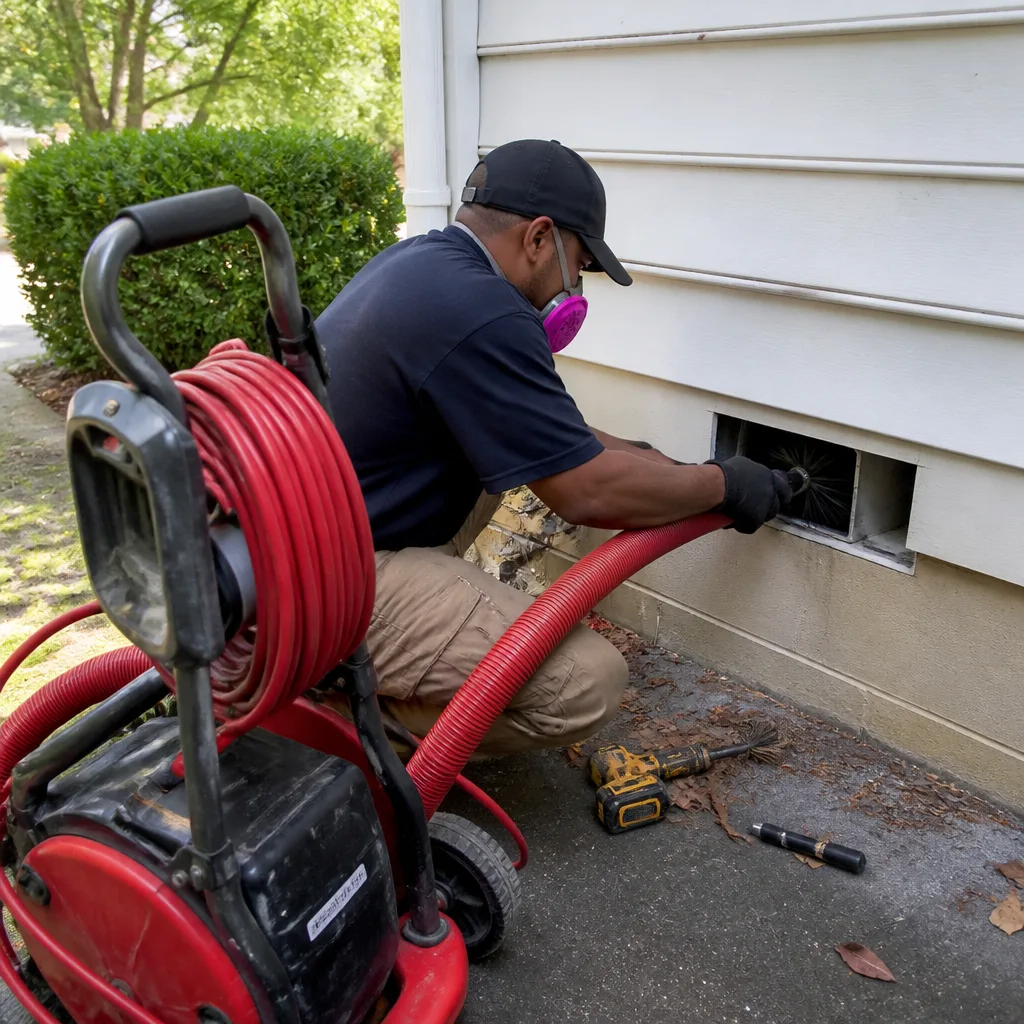
A Rotobrush system pushes a spinning brush through the duct run. As the brush rotates, it dislodges debris that has adhered to the duct walls, including the baked-on pollen film Atlanta homes accumulate during spring. A plain comparison: imagine scrubbing a dirty pan with a brush instead of just running water over it. The brush is what breaks the bond between debris and duct surface.
Nikro: Negative-Pressure Extraction
Negative-pressure extraction means the system pulls air out of the duct with enough force to create a vacuum inside the duct run. As the Rotobrush dislodges debris from the walls, the Nikro unit’s vacuum pulls that loosened material out of the duct entirely, rather than letting it drift back into the living space. In plain terms, the brush loosens and the vacuum removes. Both steps are necessary. A vacuum alone can’t pull off debris that’s adhered to the walls; a brush alone would spread debris through the house. Together they clean and extract.
Abatement Technologies: HEPA Filtration
Abatement Technologies units provide HEPA filtration during the cleaning process. A HEPA filter captures particles down to 0.3 microns, which is small enough to include pollen fragments, mold spores, and fine dust. During cleaning, the system is actively stirring up debris inside the ducts. The HEPA filtration ensures that the air around the cleaning process is scrubbed, not circulated. For an Atlanta homeowner with seasonal allergies, this is the difference between a cleaning that helps and a cleaning that triggers a flare-up.
This equipment matters because box-store shop vacs and rental units can’t generate the negative pressure, can’t reach the full length of residential duct runs, and don’t filter the exhaust air. The tool determines the result, and that’s why we name the equipment rather than just saying “professional-grade.” You should expect a company to be able to tell you exactly what it uses and what each piece does. If they can’t, that’s an answer in itself.
Common Mistakes to Avoid
- Cleaning ducts before a fall renovation is complete. Renovation dust will re-contaminate the system within days. Sequence the cleaning after the work, not before.
- Scheduling on an anniversary date instead of a seasonal trigger. An arbitrary “once a year in July” schedule misses both the February pollen load and the fall renovation window. Align cleanings with the events that actually load the ducts.
- Running the AC fan in “on” mode during Atlanta’s humid summer. Continuous fan operation keeps moisture cycling through the system after the compressor stops, which feeds mold risk. Auto mode is correct for summer humidity.
- Using filters with too high a MERV rating. MERV 13 or higher on a standard residential blower restricts airflow enough to freeze the coil in summer. Stick with MERV 8 to 11.
- Ignoring the dryer vent while cleaning the ducts. The dryer vent carries its own lint load, and a clogged vent is a fire hazard that no duct cleaning addresses. The two services are separate jobs.
- Choosing a company by price alone without asking what equipment they use. A low price with a shop-vac rig does less than no good; it stirs debris without extracting it. Ask for equipment names, and if the answer is vague, walk away.
- Waiting until you smell mold to address moisture. By the time a musty smell is constant, remediation is more extensive. The register speckling and occasional odor are the early warnings.
When to Call a Professional
Some duct maintenance is homeowner work: changing filters, checking register faces, rinsing the outdoor condenser coil. Some is not. Call a professional when you see dark speckling at multiple registers, when the musty odor has progressed from occasional to persistent, when airflow drops noticeably in one part of the house, when a renovation has filled the system with fine dust, or when family members are experiencing allergy symptoms specifically at home with no relief from filter changes. The Kestrel Air Duct Atlanta home page explains our process, and we offer free estimates to Atlanta homeowners. Call (470) 378-1006 and a live person answers, any time of day.
Frequently Asked Questions
Most single-family homes in Atlanta run between $450 and $900 for a complete professional duct cleaning, depending on square footage, number of systems, and condition. See our Air Duct Cleaning Cost Breakdown: The Atlanta Homeowner’s Reference for 2026 for detailed pricing factors. Homes with two HVAC systems or significant contamination fall on the higher end. We quote a written price before any work begins, and that price doesn’t change when the technician arrives. Call (470) 378-1006 for a specific quote on your home.
Every two years is the right interval for most Atlanta homes, assuming the system was cleaned properly and filters are changed on schedule. Homes with multiple pets, residents with respiratory illness, or recent renovations should move to once a year. The timing should align with the February – March pollen window, not an arbitrary date on the calendar.
Cheap duct cleaning quotes almost always mean inferior equipment. A company running a shop-vac rig can quote $99 because the job takes 45 minutes and removes almost nothing from the duct walls. Proper cleaning uses rotary brush agitation to dislodge adhered debris and negative-pressure extraction to remove it. The equipment cost and the time required produce a higher price for a real result. The question isn’t what the cleaning costs; it’s what’s left behind afterward.
Ask for before-and-after photographs of the inside of the duct system. A legitimate company can show you the same duct section before and after the cleaning, and the difference is visible. We provide this documentation as standard practice. If a company can’t or won’t show you the inside of your own ducts before and after, that’s a sign the work may not have been done as described.
Yes, and Atlanta’s pollen season makes the problem more concentrated. Ducts that accumulated pollen, dander, and dust over months or years redistribute that material into the living space every time the system cycles. For a person with seasonal allergies, the indoor load compounds the outdoor load. Cleaning the ducts removes the reservoir, and pairing that with a whole-house filtration product such as Aprilaire or Guardsman maintains cleaner air between cleanings.
Duct cleaning removes the organic material mold grows on, which is the dust, pollen, and dander layer inside the duct. It doesn’t change the humidity level, but it removes what the humidity acts upon. If a musty smell comes from the ducts, cleaning is the direct answer. If the smell persists after cleaning, the moisture source itself, such as a leaking duct joint or a crawlspace humidity problem, needs separate diagnosis.
The Bottom Line
Atlanta’s weather does not pause, and your duct system is the collector of everything the weather sends: February pollen, summer mold-friendly humidity, fall renovation dust, and winter’s concentrated indoor particulates. The right seasonal duct care means cleaning before the spring switchover, monitoring registers through the humid summer, cleaning after fall renovations, and maintaining filter discipline all winter. A two-year cycle with professional cleanings at the right seasonal moments beats an annual cleaning at the wrong time. If you’re not sure where your system stands, start with the register checklist and a flashlight. For more guides & resources on maintaining your home’s air quality, explore our blog. If you see more than one warning sign, we’re a phone call away.
Written by Dale Whitmore, Owner at Kestrel Air Duct Atlanta, serving Atlanta since 2004.
See the difference
 Before
 After
After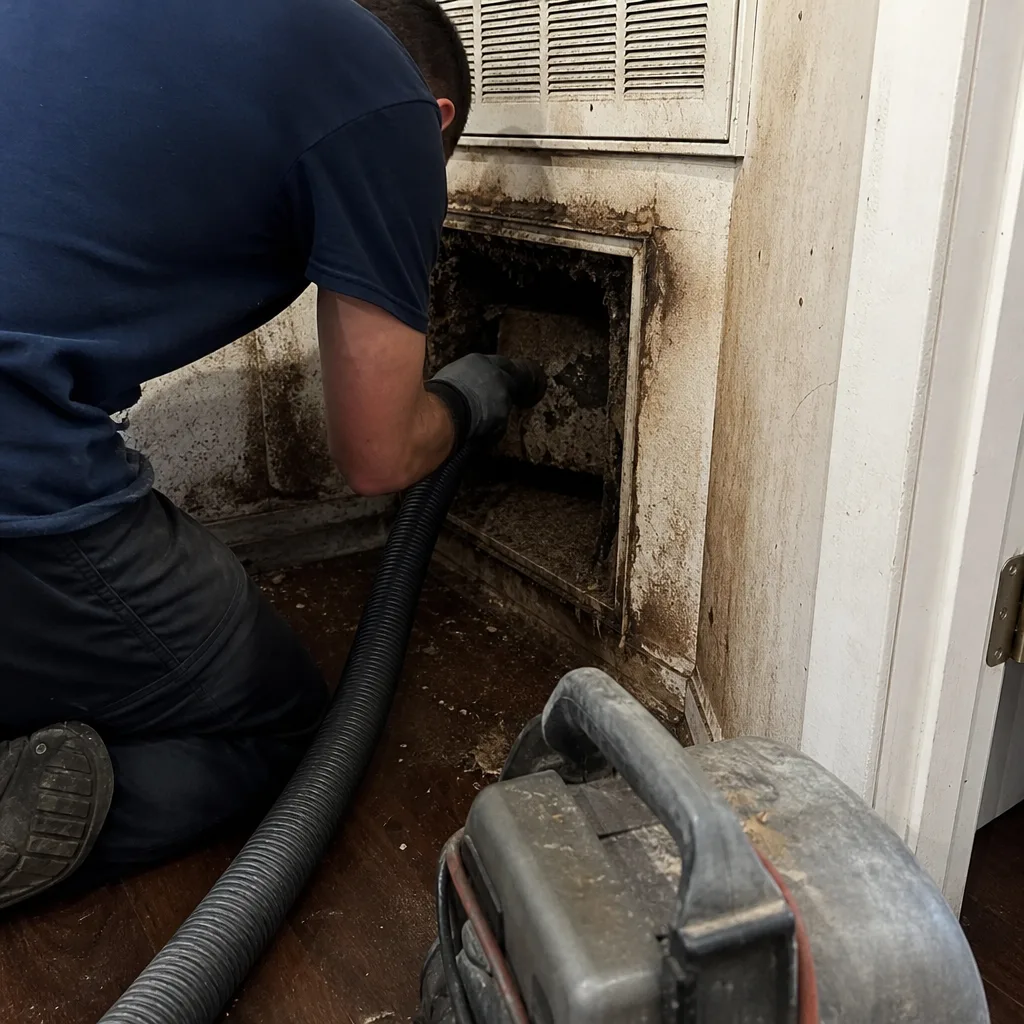 Before
 After
After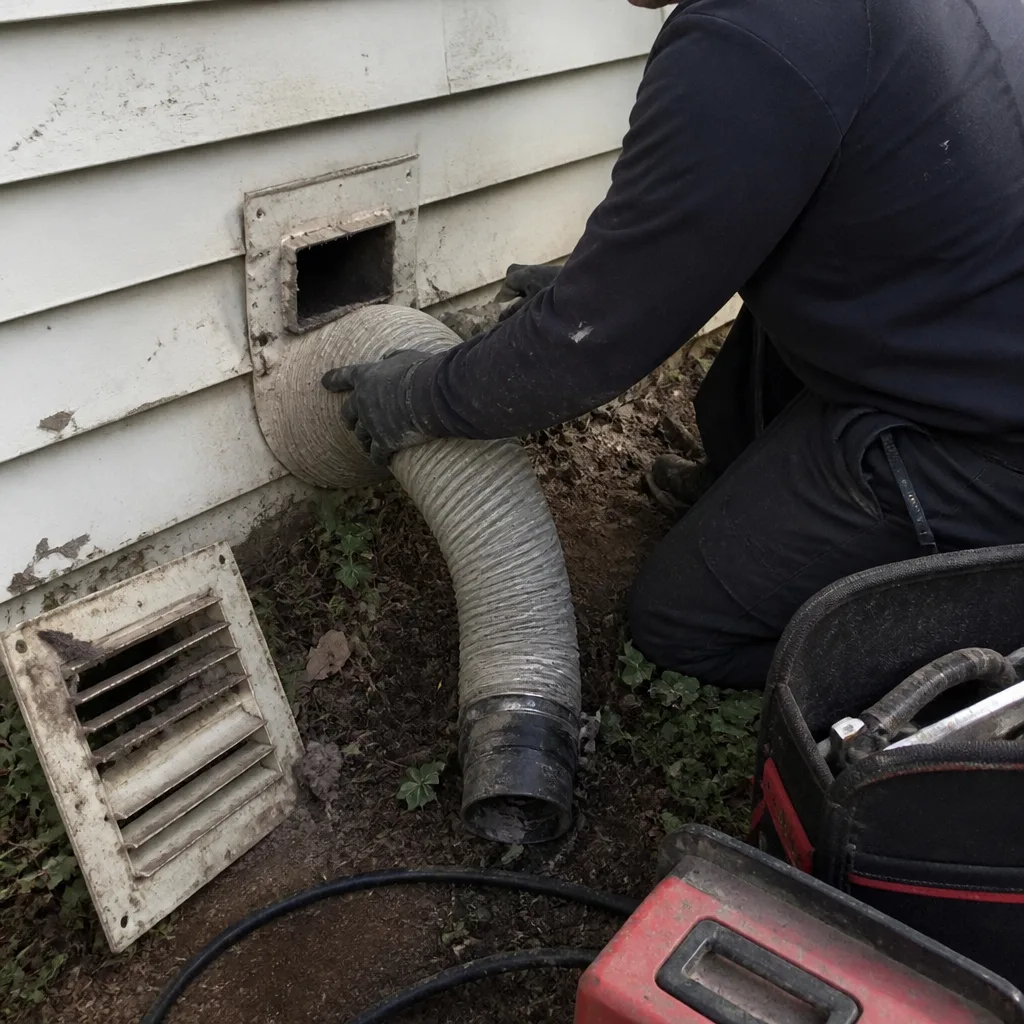 Before
 After
After